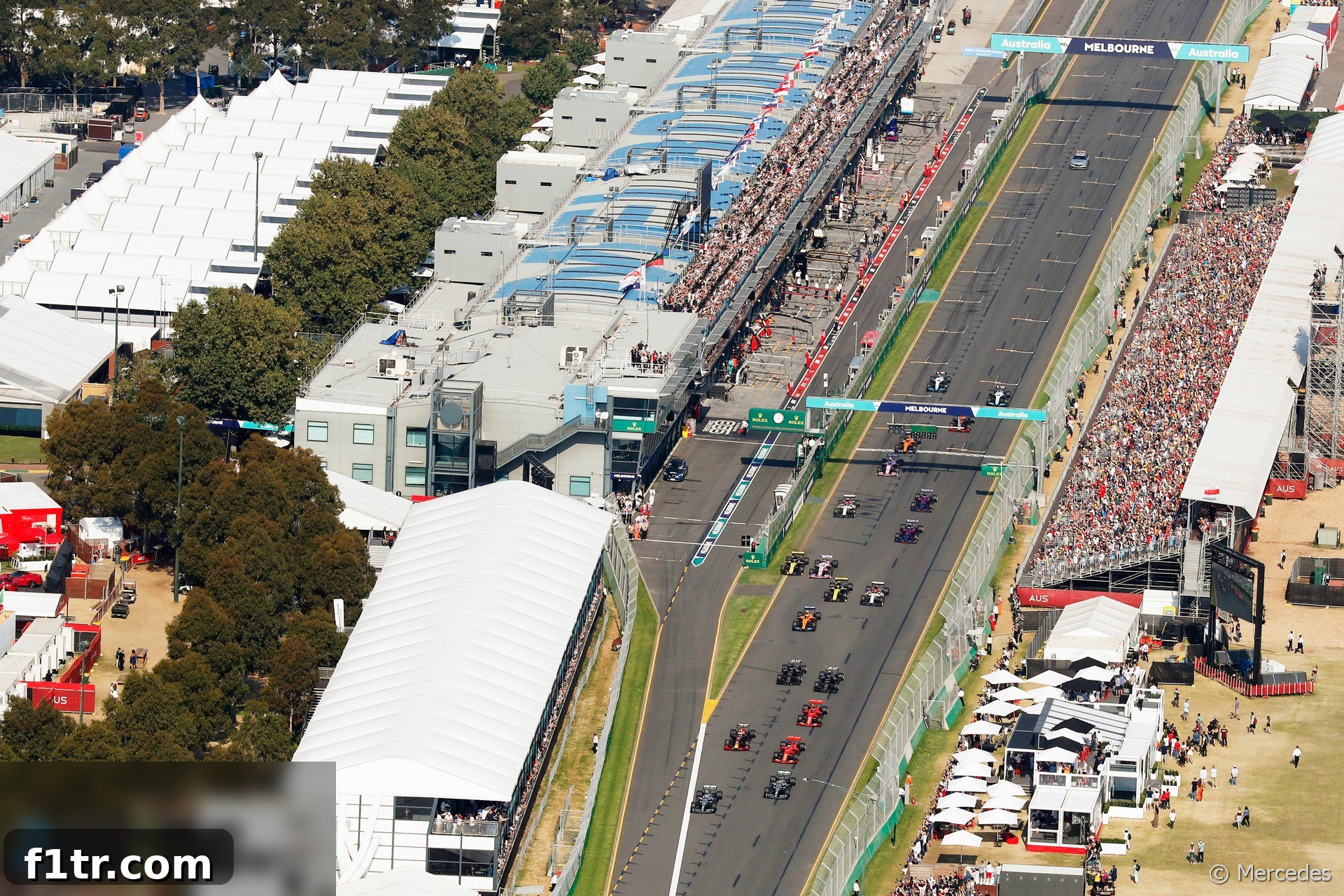
The highly anticipated Formula 1 season opener, the Australian Grand Prix, faces an unprecedented threat as devastating bushfires continue to ravage parts of Australia. With 25 lives tragically lost and thousands of homes destroyed, Formula 1 Management (FOM) is closely monitoring the evolving crisis, particularly its potential impact on the prestigious race scheduled for March 15th in Melbourne.
The sheer scale of the environmental catastrophe has cast a long shadow over major events across the continent. Victoria, the state set to host the season’s inaugural race in its capital Melbourne, has been significantly affected. The widespread destruction, with approximately 2,000 homes lost nationwide and 200 within Victoria alone, underscores the gravity of the situation. The world of motorsport, much like the broader international community, watches with bated breath as the authorities and F1 officials assess the viability of proceeding with the event.
Advert | Become a Supporter & go ad-free
A primary concern for Formula 1 is the deteriorating air quality in Melbourne. F1 has officially confirmed its vigilant monitoring of the situation, recognizing the direct health implications for everyone involved. Smoke haze from the persistent bushfires has led to an alarming downgrade in Melbourne’s official air quality classification, plummeting from an already concerning “very poor” to a dangerously “hazardous” level. Such conditions pose severe health risks, ranging from respiratory issues to aggravated cardiovascular problems, for drivers, team personnel, spectators, and local residents alike. The decision of whether to proceed with an event under these circumstances will undoubtedly prioritize safety and public health, aligning with international sporting standards and ethical considerations.
The human toll of the bushfires has resonated deeply within the Formula 1 community. Several prominent figures, including Australia’s sole F1 driver, Daniel Ricciardo, reigning world champion Lewis Hamilton, and Renault’s Esteban Ocon, have publicly expressed their profound sympathy for those affected. Utilizing their significant social media platforms, they have urged their vast follower bases to contribute to relief efforts and support charities aiding victims and wildlife. Their unified call for assistance highlights the sport’s capacity to rally support for critical humanitarian and environmental causes, demonstrating a collective consciousness that extends beyond the race track.
Logistical Hurdles and the Challenge of Rescheduling
The prospect of rescheduling the Australian Grand Prix, should it be deemed unfeasible on its original date, presents a monumental challenge for Formula 1. The intricacies of the 2020 F1 calendar, which features a record 22 races, leave virtually no flexibility for accommodating a postponed event. The tightly packed schedule, characterized by numerous back-to-back race weekends and intricate logistical planning, means any alteration could trigger a domino effect across the entire season, impacting other races, team travel, and critical operational timelines.
Australia’s geographical isolation further complicates any rescheduling efforts. As a remote destination for the predominantly European-based championship, transporting equipment, personnel, and a vast infrastructure across continents is an enormous undertaking. The sheer cost, time, and coordination required for such a move are astronomical. Repositioning freight, securing new flight paths, and re-booking accommodation for thousands of individuals would incur significant financial penalties and logistical nightmares for teams and F1 alike. The established flow of the championship, meticulously planned months in advance, would be severely disrupted, potentially affecting team budgets and operational efficiency for the entire season.
Moreover, the Albert Park circuit, home to the Australian Grand Prix, operates as a temporary street circuit. This unique characteristic means that its construction and dismantling cause significant disruption to local life in Melbourne. Setting up the circuit involves complex civil engineering works, road closures, and extensive temporary infrastructure installation. Any change in the race date would necessitate renegotiating numerous permits, traffic management plans, and community agreements with local authorities, a process that is time-consuming and often inflexible. Unlike purpose-built tracks, a temporary circuit lacks the inherent adaptability to absorb last-minute changes without immense strain on its host city.
A critical factor limiting alternatives within Australia is the stringent requirement for an FIA Grade 1 license. To host a Formula 1 Grand Prix, a circuit must possess this elite classification, which signifies it meets the highest safety standards and infrastructure requirements set by the Fédération Internationale de l’Automobile (FIA). Unfortunately, Australia currently boasts no other circuits capable of holding F1 races at this demanding level. This absence of suitable alternative venues within the country means that if Melbourne cannot host the event, there are no immediate domestic fallbacks, forcing F1 to consider either cancellation or an immensely challenging international relocation.
Precedents and Contrasting Events
The shadow of recent cancellations due to bushfires looms large over the F1 decision. Last November, the Rally Australia, a major event in the World Rally Championship, was regrettably cancelled because of bushfires in New South Wales. This precedent serves as a stark reminder of the very real and immediate danger posed by the fires to large-scale sporting events. The decision to cancel Rally Australia was made primarily due to safety concerns for competitors, officials, and spectators, as well as the significant strain on emergency services already battling the blazes.
Advert | Become a RaceFans supporter andgo ad-free
However, not all events have faced the same fate. The organizers of the Bathurst 12 Hours, a prominent endurance race held at the iconic Mount Panorama Circuit in New South Wales, confirmed that their event on January 31st would proceed as planned. This contrast highlights the varying localized impacts of the fires and the different risk assessments undertaken by event organizers. Factors such as geographical proximity to active fire zones, prevailing weather patterns, and the specific nature of the event (e.g., open-air rally versus circuit racing) play a crucial role in these decisions. While Bathurst’s decision provides a glimmer of hope, the situation in Melbourne, particularly concerning air quality, presents a unique and immediate challenge that F1 must address directly.
The Broader Impact and F1’s Decision-Making Process
The potential cancellation or postponement of the Australian Grand Prix carries significant economic and reputational weight. For Victoria and Melbourne, the Grand Prix is a major economic driver, attracting hundreds of thousands of visitors and generating substantial revenue for the tourism, hospitality, and service sectors. A cancellation would result in considerable financial losses for local businesses and the state economy. For Formula 1 itself, the season opener is a critical event, setting the tone for the championship and serving as a major global spectacle. Any disruption impacts broadcasting rights, sponsorship agreements, and the overall commercial health of the sport.
F1’s decision-making process involves a complex interplay of stakeholders, including the FIA, event organizers (Australian Grand Prix Corporation), local government authorities, and the F1 teams themselves. Safety, as always, is paramount. This encompasses not only the physical safety of participants and spectators from fire risks but also their health due to hazardous air quality. Other factors include contractual obligations, logistical feasibility, and the public perception of holding a major international event amidst a national tragedy. F1’s commitment to “monitoring the situation” implies continuous communication with meteorological experts, environmental agencies, and emergency services to gather the most accurate and up-to-date information before making a final determination.
The global motorsport community, fans, and humanitarian organizations are united in their concern for Australia. While the thrill of the race is eagerly anticipated, the overriding sentiment is one of compassion and a shared understanding that human safety and well-being must always take precedence. The decision facing Formula 1 is unenviable, balancing the immense pressure of a global sporting event with the stark realities of an environmental crisis. Whatever the outcome, it will undoubtedly reflect a careful consideration of all factors, with the hope that Australia can recover from these devastating fires.
2020 F1 Season Insights and Developments
- Grosjean to make F1 test return tomorrow for first time since Bahrain horror crash
- Pictures: Wrecked chassis from Grosjean’s Bahrain fireball crash to go on display
- Bottas vs Rosberg: Hamilton’s Mercedes team mates compared after 78 races each
- F1 revenues fell by $877 million in Covid-struck 2020 season
- Hamilton and Mercedes finally announce new deal for 2021 season
Browse all 2020 F1 season articles