The exhilarating world of Formula 1 roars back into action this weekend, marking a highly anticipated return after a brief hiatus. As the pinnacle of motorsport converges on the historic Silverstone Circuit, seven teams and a host of British drivers prepare for what is uniquely their home race – albeit under unprecedented circumstances, with the hallowed stands devoid of their usual throngs of passionate fans. The British Grand Prix is not merely another stop on the calendar; it’s a cornerstone of the F1 season, a test of engineering prowess and driver skill on one of the sport’s most iconic tracks. This weekend promises a cocktail of intense on-track battles, off-track controversies, and the ongoing challenge of navigating a global pandemic. Here, we delve into the key talking points that will shape the narrative of the 2020 British Grand Prix.
The ‘Pink Mercedes’ Saga: Renault Versus Racing Point
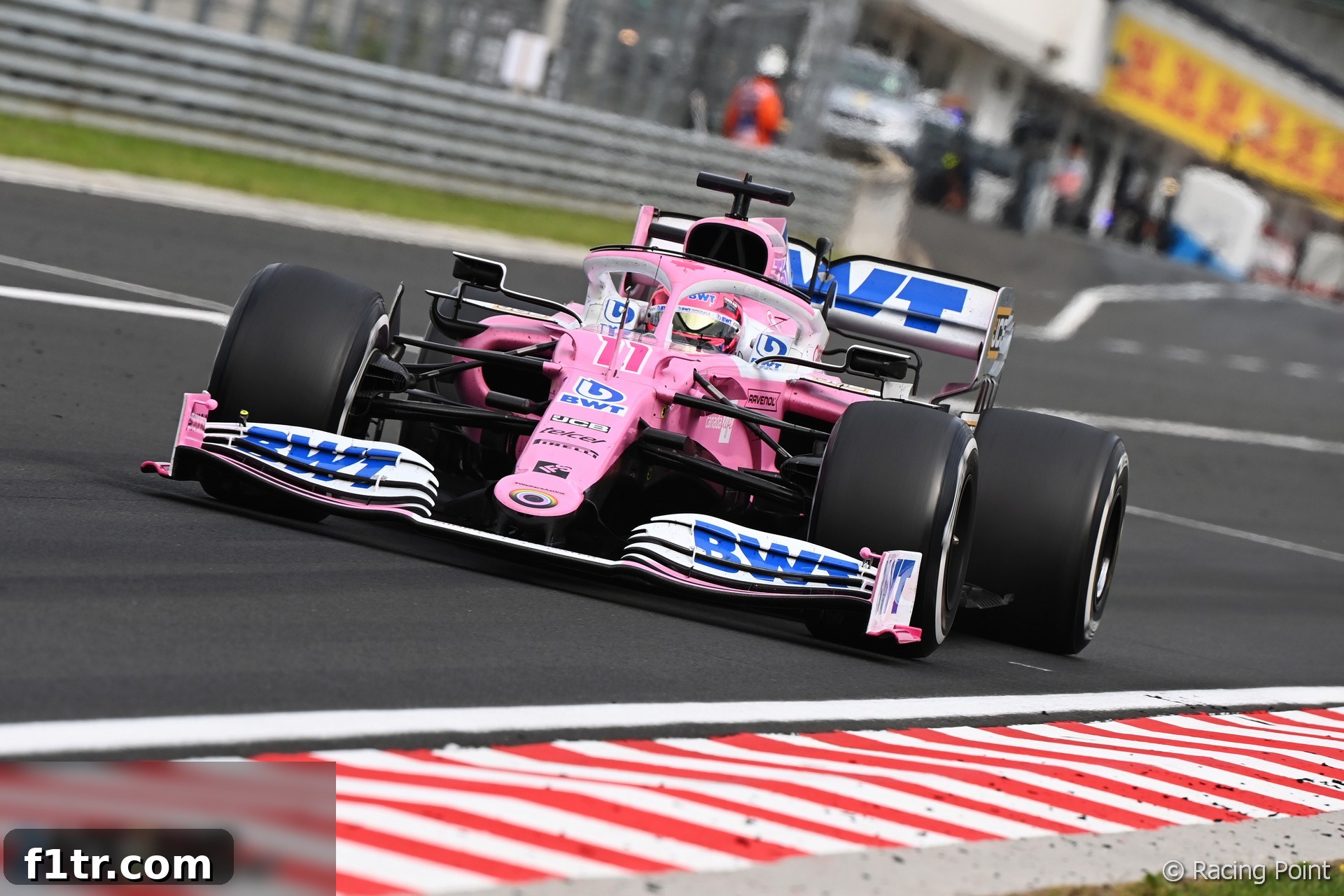
One of the most contentious issues currently casting a shadow over the paddock is the ongoing protest lodged by Renault against Racing Point regarding the legality of their RP20’s brake ducts. This saga, which has affectionately (or controversially) earned Racing Point the moniker of ‘Pink Mercedes’, stems from concerns that their 2020 challenger bears an uncanny resemblance to the championship-winning Mercedes W10 from the previous season. During the Hungarian Grand Prix weekend, Nikolas Tombazis, the FIA’s head of single-seater matters, indicated a desire for the dispute to be resolved swiftly, ideally before the British Grand Prix. The core of the protest revolves around whether Racing Point legally acquired and designed their brake ducts, particularly after these components transitioned from being ‘non-listed’ to ‘listed’ parts, meaning teams must design them themselves rather than purchase them from competitors.
The outcome of this ruling is not just about a technicality; it has profound implications. Beyond the legality of the brake ducts themselves, Racing Point’s points scores from the preceding two race weekends hang precariously in the balance. A negative verdict could see them stripped of valuable championship points, dramatically altering the midfield standings. Furthermore, the decision will set a significant precedent for future car design and the transfer of intellectual property within Formula 1, influencing how teams develop their cars for seasons to come. However, even if the stewards deliver a verdict this weekend, it’s widely expected that the losing party – whether Racing Point or Renault – could appeal the decision. Such an appeal would prolong the controversy, potentially dragging the matter on for another month or more, ensuring this captivating off-track drama continues to unfold alongside the high-speed action.
- FIA aims to rule on Racing Point legality dispute before next race
Can Red Bull Reassert Its Challenge to Mercedes?
Red Bull Racing emerged from the opening races of the 2020 season as Mercedes’ most credible threat. Max Verstappen’s impressive performances in Austria, particularly his ability to split the Mercedes drivers and even challenge for victory, fueled hopes of a genuine championship battle. However, the Hungarian Grand Prix presented a starkly different picture. The gap between Red Bull and Mercedes widened considerably, much to the surprise of many within the paddock, including Mercedes team principal Toto Wolff, who had anticipated a far more significant challenge from the Milton Keynes outfit in Hungary.
Wolff openly expressed his astonishment: “I’m very surprised because Red Bull has always been a bank on the Hungaroring. It’s a high downforce circuit that suited the car.” He speculated on the reasons for Red Bull’s dip in form, suggesting, “I don’t think they had a fundamental problem in the car. I think they probably took the wrong junction somewhere in between setting up the car and bringing upgrade kit. I don’t know what it is but they are our best enemy.” Red Bull’s team principal, Christian Horner, maintains a more optimistic outlook, believing that it’s merely a matter of ‘unlocking’ the inherent pace within their RB16 chassis to bridge the gap to Mercedes. The Silverstone circuit, with its high-speed corners and demanding characteristics, will be a crucial test. If Red Bull cannot find the necessary performance to challenge Lewis Hamilton and Valtteri Bottas this weekend, it could signal an early end to hopes of a closely contested championship, leaving Mercedes unchallenged for the remainder of the season.
The Unique Atmosphere: A British Grand Prix Without Fans
The British Grand Prix at Silverstone is traditionally one of the best-attended and most atmospheric races on the Formula 1 calendar. The circuit is renowned for its capacity crowds, the electrifying energy generated by thousands of enthusiastic fans, and the palpable sense of national pride, particularly when British drivers like Lewis Hamilton are competing. This weekend, however, will be a radically different experience. The typically packed grandstands will be eerily silent and completely devoid of spectators, a consequence of the ongoing global health crisis. This unprecedented situation will undoubtedly alter the fabric of the event, creating an atmosphere that is far removed from the festive, carnival-like environment that usually envelops Silverstone.
Daniil Kvyat, reflecting on racing in empty venues, articulated the sentiment shared by many drivers: “For sure it’s different. When you have spectators the atmosphere changes and it’s different.” He elaborated on the contrast, stating, “The pre-race, it’s more like a gladiator sort of show. It’s cooler, for sure, from that respect. But once I drive the car, I see only the track, there’s nothing else any more.” While drivers are ultimately focused on the racing once the visor comes down, the absence of fans impacts the entire pre-race build-up, the podium ceremonies, and the overall celebratory feeling of a Grand Prix weekend. The roar of the crowd, the cheers for overtakes, and the collective emotion are intrinsic to the F1 experience, and their absence will be keenly felt, making this a British Grand Prix unlike any other in history.
Hamilton Leads the Charge for Social Justice
Following the Hungarian Grand Prix, Lewis Hamilton, the sport’s most vocal advocate for social justice, publicly criticized Formula 1 Management (FOM) and the FIA’s handling of the pre-race ‘End Racism’ statement and gestures. Hamilton has been a leading voice in the Black Lives Matter movement, using his platform to champion diversity and inclusivity within F1 and beyond. His impassioned stance has garnered significant support, but also highlighted the challenges of integrating social activism into a global sport. Hamilton planned to engage in direct dialogue with FIA president Jean Todt, who last week affirmed his support for the six-time world champion’s position, while simultaneously stressing the FIA’s imperative to remain apolitical.
This situation underscores a broader question facing the sport: have Formula 1 and its governing body done enough to address systemic issues of racism and promote genuine change? The spotlight at Silverstone will undoubtedly be on how the pre-race ceremony unfolds, and crucially, whether the sport adequately provides drivers with the space, time, and freedom to make their chosen pre-race protests and statements. Hamilton’s continued advocacy ensures that the conversation around social justice remains at the forefront, prompting F1 to reflect on its responsibilities as a global platform for change. The commitment of the drivers, teams, and the sport as a whole to truly ‘End Racism’ will be under scrutiny, not just through symbolic gestures, but through tangible actions and consistent support for the movement.
F1’s COVID-19 Bubble: A Crucial Test at Silverstone
Formula 1’s remarkable ability to kickstart its 2020 season amidst a global pandemic was widely regarded as a significant achievement. The initial three races, held back-to-back in Austria and Hungary, ran smoothly with stringent health and safety protocols, proving that the ‘bio-bubble’ concept could work. Despite two positive COVID-19 tests occurring outside the immediate paddock environment during this period, the proceedings remained undisrupted, a testament to the meticulous planning and adherence to guidelines by all involved. This weekend at Silverstone, however, presents a new and critical test: it marks the first time the F1 ‘bubble’ has reconvened following a one-week break.
The break, while necessary for personnel, introduced an element of risk, as individuals returned to their home countries and potentially different exposure environments. Consequently, all personnel attending the British Grand Prix will once again undergo rigorous testing prior to entry. Furthermore, the established protocols – including mandatory mask-wearing, strict social distancing, and limited interaction between team bubbles – will remain rigorously enforced. This heightened vigilance comes against a backdrop of rising COVID-19 infection rates in several European countries, including the UK, where many F1 teams are based. F1 Race Director Michael Masi expressed satisfaction with the sport’s record thus far but emphasized the ongoing need for extreme caution. “The fact that we have got through the three events with only the two cases, but effectively outside of the paddock, one thing that we all need to be conscious of is that Covid-19 is very much around us and everywhere globally,” he stated. The success of the British Grand Prix, and indeed the remainder of the improvised 2020 calendar, hinges on the collective discipline and sustained adherence to these vital safety measures, as Formula 1 continues its complex journey through unprecedented times.
Your Predictions Matter: Who Will Dominate Silverstone?
As the engines prepare to roar at Silverstone, the stage is set for a thrilling British Grand Prix. From the ongoing legal battles and championship aspirations to the unique fan-less atmosphere and the ever-present health challenge, there’s no shortage of narratives to follow. Who do you believe will emerge as the team to beat on this iconic circuit? Will Mercedes continue its dominance, or can Red Bull finally unlock the pace needed to challenge them? Share your insights and predictions below!
Don’t forget to enter your predictions for this weekend’s race. You have until the start of qualifying to fine-tune your choices:
- RaceFans Predictions Championship
Quotes: Dieter Rencken
Explore More: 2020 British Grand Prix Insights
Stay informed with all the latest news, analyses, and developments from the 2020 British Grand Prix. Dive deeper into the technicalities, driver performances, and strategic decisions that define this monumental race weekend.
Browse all 2020 British Grand Prix articles