F1 Paddock Diary: Abu Dhabi Grand Prix Reveals 2021 F1 Debates, Revenue Battles, and Off-Track Drama
The Abu Dhabi Grand Prix consistently serves as more than just a spectacular season finale; it’s a vibrant melting pot of high-octane racing, crucial strategic discussions, and intense paddock politics. As the Formula 1 circus descended upon the dazzling Yas Marina Circuit, the air buzzed not only with anticipation for the final race but also with whispers of significant changes brewing for the sport’s future. Our intrepid reporter provides an exclusive deep dive into the second day’s revelations, uncovering major discussions among teams regarding everything from standardized pit stop equipment and sponsorship deals to the contentious issue of revenue sharing and the ever-present drama surrounding on-track incidents. This daily diary offers a unique perspective from inside the paddock, capturing the pulse of a sport perpetually in motion, even when the cars aren’t on the track.
Friday Morning: A Calm Commute and a Brewing Storm Over Pit Stop Equipment
Advert | Become a Supporter & go ad-free
Fridays in this region mark the beginning of the weekend, offering a relatively smooth commute to the Yas Marina Circuit. The tranquil journey, however, belied the intensity of the discussions already taking place within the Formula 1 inner circles. Upon arrival, and during a brief but insightful conversation with a trusted sporting director en route to the bustling paddock, a pivotal topic emerged from the previous day’s sporting meeting: the controversial proposal to standardize pit stop equipment from the 2021 season onwards.
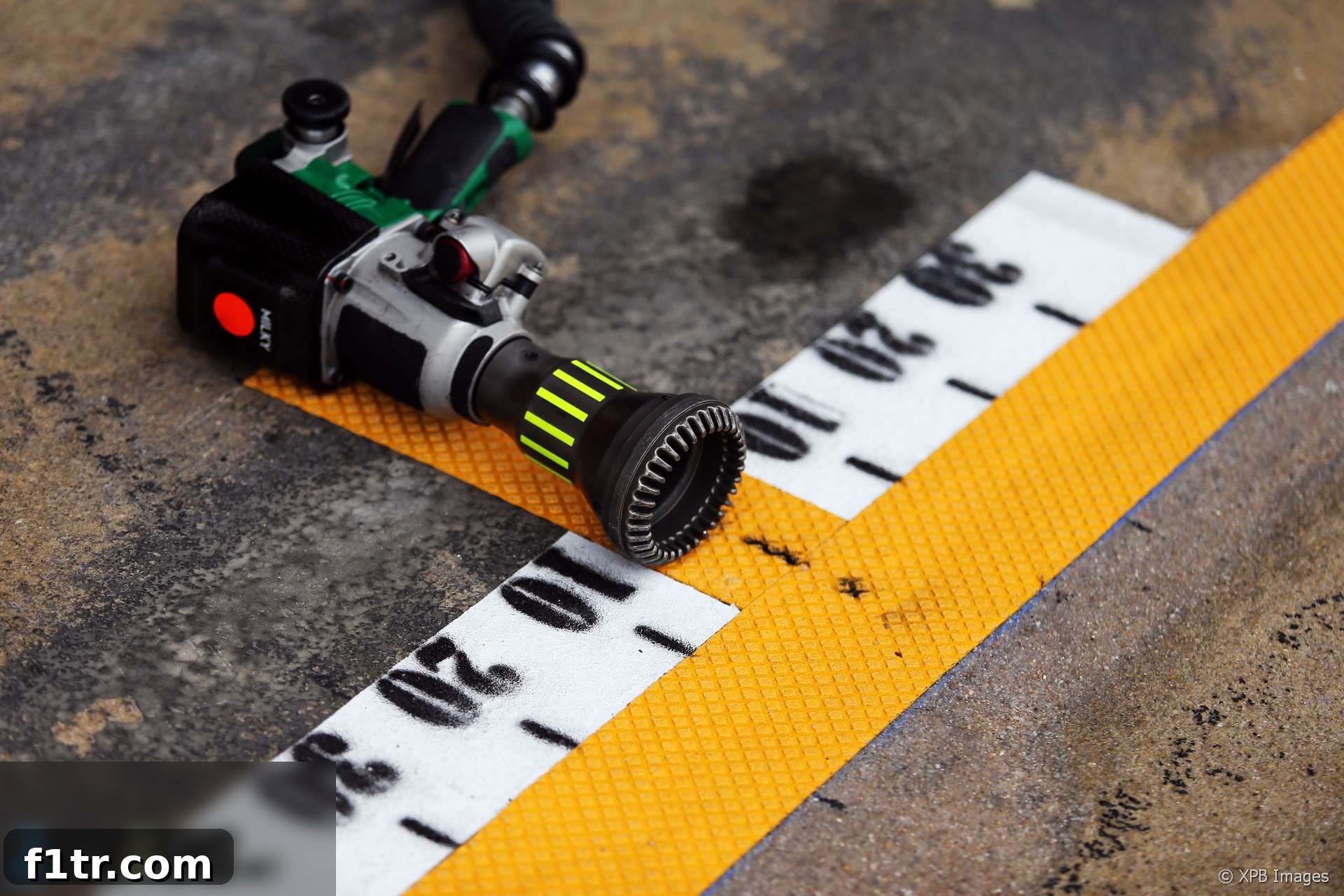
This initiative, ostensibly presented under the banner of significant cost-saving measures, has ignited considerable debate among the teams. The sporting director articulated a perspective widely shared by many midfield outfits: “The plan dictates that all teams will eventually utilise identical kit. While framed as a cost-saving exercise, the reality is starkly different for a majority of the grid. Seven teams, effectively all but the dominant top three who already boast state-of-the-art, custom-engineered equipment, will be compelled to discard substantial portions of their current, perfectly functional gear. They will then be forced to invest heavily in entirely new, standardized apparatus. For what genuine benefit?”
The underlying suspicion, he suggested, points towards commercial motives. The theory posits that this standardization drive is, at least in part, fueled by potential commissions generated from the sale of each standardized item, with these proceeds ultimately accruing to Formula 1’s commercial rights holder, Liberty Media. While it’s true that under the sport’s intricate revenue structure, teams do eventually benefit from a percentage of all F1 income, the immediate and substantial outlay required to replace serviceable equipment, coupled with the relatively small percentage shared from such commissions, is highly unlikely to offset the considerable costs. This move is seen by many as a classic example of F1’s complex financial ecosystem, where purported cost-saving initiatives sometimes inadvertently create new financial burdens for the teams they aim to assist. The implications for team budgets and operational efficiency are significant, and this will undoubtedly remain a closely watched development as the 2021 regulations take shape.
Late Morning: McLaren’s Strategic Sponsorship Expansion on the High Seas
The F1 paddock is a melting pot of business and sport, and nowhere is this more evident than in the sophisticated world of corporate hospitality. Our next stop led us to the luxurious ‘Dutch Oriental’ yacht, an exquisite setting rented by British American Tobacco (BAT) for the duration of the race weekend. This opulent backdrop provided the stage for a significant announcement from McLaren, one of the sport’s most storied teams.
McLaren officially confirmed the continuation and expansion of its alternative tobacco products sponsorship with BAT, a partnership that has become a prominent feature on their cars. For the upcoming 2021 season, this enhanced deal extends its reach beyond Formula 1 to include crucial support for all rounds of McLaren’s ambitious IndyCar programme. This expansion underscores McLaren’s strategic intent to bolster its presence in key global motorsport series, leveraging successful partnerships to fuel its multifaceted racing ambitions.
Advert | Become a RaceFans supporter andgo ad-free
While specific financial figures were, as expected, kept confidential, the prevailing sentiment within the paddock suggests that this renewed and expanded agreement is worth substantially more than $20 million annually. Such a lucrative infusion of capital represents a monumental boost to the coffers of a team that has been on a commendable journey of resurgence in recent seasons. This sponsorship is not merely about branding; it provides McLaren with the vital resources to continue its upward trajectory in Formula 1, invest in critical research and development, and solidify its growing presence in the competitive landscape of North American open-wheel racing. The deal highlights the evolving nature of sponsorship in F1, where long-term, multi-series partnerships are becoming increasingly valuable assets for teams aiming for sustained success.
Midday Insights: A Grand Marina and the Battle Over F1’s Billion-Dollar Revenue Pot
A return to the paddock via golf cart offered a picturesque journey along the stunning quays of Abu Dhabi’s Yas Marina. The sheer number of superyachts anchored here naturally invited a comparison with the iconic harbour of Monte Carlo, a staple of the F1 calendar. While a direct, apples-to-apples comparison is challenging due to Monaco’s more compact and unique harbour layout, the distinct impression was that Abu Dhabi had, perhaps surprisingly, outshone the principality in the sheer quantity of luxury vessels – certainly in terms of number, if not necessarily outright individual size. This vibrant display of wealth perfectly encapsulated the opulent backdrop against which Formula 1 operates.
Following a much-needed brunch – a classic beef burger and fries in the media cafeteria – a further stroll through the paddock yielded more significant insights into the behind-the-scenes machinations of the sport. Confidential sources revealed that all ten team principals had convened in a private meeting on Thursday, held in the imposing Yas Marina Hotel overlooking the paddock. The central agenda of this high-stakes meeting was to deliberate on Liberty Media’s proposed revenue share ‘pot’ for the 2021 season and beyond.
While the team bosses appeared to have largely accepted the new percentage split – a structure that varies only marginally from the current distribution but significantly scales back the traditional blanket bonus payments awarded to all teams (with the notable exception of Ferrari, who retain a unique historical agreement) – a major point of contention remained. There was widespread dissatisfaction among the teams regarding Liberty Media’s decision to retain a substantial 35 percent of the sport’s estimated $1.4 billion in annual retained revenues. This retention effectively means that the ten current teams will collectively share approximately one billion dollars annually, which is a staggering sum over and above any additional commercial income they secure individually. Yet, despite this colossal collective payout, some teams continue to vocalize their financial struggles, pleading poverty. This paradox highlights the perennial challenge in Formula 1: balancing the commercial interests of the sport’s owner with the diverse financial needs and competitive aspirations of its participating teams, particularly as the sport moves towards a budget-capped future where every dollar counts.
Afternoon Session: Ferrari’s Stance on the Brazil Collision and Media Scrutiny
The FIA press conference is a mandated part of every Grand Prix weekend, offering a forum for teams and drivers to address the media. However, at this particular session, the atmosphere was charged with lingering tension, specifically concerning Ferrari’s continued and point-blank refusal to openly discuss the farcical collision between their star drivers, Sebastian Vettel and Charles Leclerc, at the preceding Brazilian Grand Prix. The incident, which saw both drivers retire from the race after an avoidable contact, had dominated headlines and sparked widespread debate across the F1 world.
The media’s frustration was palpable. A colleague succinctly voiced the sentiment of many present, expressing a desire for “a straight answer” to his direct question posed to Team Principal Mattia Binotto regarding the internal handling and implications of the incident. This repeated evasion by Ferrari has become a characteristic of their post-Brazil public relations strategy, leaving many to wonder about the internal dynamics and the team’s approach to accountability.
This situation inevitably leads to a philosophical question about respect and transparency in elite sport. Which is ultimately more disrespectful: the persistent line of questioning from a media contingent seeking answers to a very public and damaging debacle, or Ferrari’s steadfast refusal to provide any form of “straight answers”? For many, the latter reflects a dismissive attitude towards both the media’s legitimate role and the fans who demand greater insight and accountability from one of Formula 1’s most iconic teams. While Binotto later offered a definitive statement that such a collision “will not happen again,” the lack of open dialogue in the immediate aftermath only served to intensify scrutiny and fuel speculation about the true nature of the relationship between their two fiercely competitive drivers.
- Binotto says Vettel-Leclerc collision “will not happen” again
Advert | Become a RaceFans supporter andgo ad-free
Evening Interviews: Stewarding Consistency Under the Spotlight with Grosjean and Bottas
As the day progressed into evening, the interview trail provided further intriguing moments and glimpses into driver sentiment. One particular exchange brought a suppressed smile to the face of Romain Grosjean, a driver who has, over the past couple of years, experienced his fair share of run-ins and penalties from the race stewards. His reaction came when queried about his recent encounter with what he termed “sympathetic officials” following an incident involving Valtteri Bottas.
During the incident, the Mercedes driver had notably forced the Haas driver off the track, an action that typically garners more severe consequences. However, in a decision that raised some eyebrows within the paddock, Bottas received only a reprimand for his misdemeanour. This lenient penalty immediately sparked a wider discussion among observers regarding the consistency of stewarding decisions in Formula 1.
The core of the matter, and the unasked question hanging in the air, was whether the penalty would have been equally light had the roles been reversed. Would a midfield driver like Grosjean, or any driver from a less dominant team, have received merely a reprimand for a similar offense against a driver from a top team like Mercedes? Such disparities, whether perceived or actual, can significantly impact driver morale and fuel narratives of unequal treatment within the sport. This incident underscored the constant challenge faced by the FIA stewards in maintaining absolute impartiality and consistency across all teams and drivers, regardless of their position on the grid or their team’s competitive standing. It’s a debate that frequently resurfaces and highlights the subjective nature of judging on-track infractions.
Late Evening: A Glimpse into F1’s Future with the Vietnam Grand Prix Hosts
The day concluded with an exclusive dinner hosted by the organisers of the inaugural Vietnam Grand Prix, held at the Yas Rotana Hotel directly opposite the circuit. This special event brought together a select group of journalists and key FIA and Formula 1 personnel, offering a unique opportunity to gain insights into one of the sport’s most anticipated new ventures.
During the dinner, our reporter had the distinct pleasure of being seated next to Luca Colajanni, a revered figure in F1 media circles and formerly the press officer for Ferrari during the legendary Michael Schumacher era. Colajanni, a masterful storyteller, captivated our end of the table with vivid anecdotes and compelling tales from his tenure in the “Rosso” pit lane, providing a nostalgic yet insightful look back at one of Formula 1’s most dominant and iconic periods.
Beyond the fascinating historical recount, the primary focus of the evening was the progress of the Vietnam Grand Prix. Our gracious hosts clearly demonstrated the enormous strides they had made in gearing up for their inaugural event, particularly since our previous exclusive interview with their CEO, Le Ngoc Chi. The meticulous planning, significant infrastructure development, and logistical prowess required to bring a Formula 1 race to a brand-new venue are immense, and the organisers conveyed a strong sense of readiness and commitment.
There is a genuine sense of excitement building for F1’s first visit to a truly brand-new venue in four years, a significant milestone since the inclusion of Baku’s street circuit race in 2016. The prospect of a fresh track layout, a new cultural experience, and an entirely new fan base adds a thrilling dimension to the Formula 1 calendar. The Vietnam Grand Prix represents F1’s continued global expansion and its ambition to tap into new markets, promising a spectacular and highly anticipated event for both the sport and its ever-growing legion of fans.
Related Articles: 2019 Abu Dhabi Grand Prix Insights
- 2019 Abu Dhabi Grand Prix Star Performers
- Leclerc would welcome Hamilton as Ferrari team mate
- Vettel aiming for small improvements and fewer mistakes in 2020
- Perez praises Norris’s driving after last-lap pass
- Dominant Hamilton shows F1’s new generation the way in 2019 finale
Browse all 2019 Abu Dhabi Grand Prix articles