F1 Tyre Safety Boost: FIA Imposes Stringent New Pressure and Temperature Regulations
Formula 1 is implementing comprehensive new restrictions and rigorous checks on tyre pressures and temperatures, effective immediately from the upcoming French Grand Prix. This decisive action follows the alarming tyre failures that led to two high-speed crashes during the Azerbaijan Grand Prix, raising critical safety concerns within the sport.
New guidance issued by the FIA today also explicitly warns teams against specific tactics, including one that Lewis Hamilton previously accused Red Bull of employing during the Spanish Grand Prix. These wide-ranging changes signify a concerted effort to enhance safety, ensure fair competition, and uphold the integrity of the official tyre supplier, Pirelli.
Azerbaijan Incidents Prompt Urgent Action
The failures that struck Red Bull driver Max Verstappen and Aston Martin’s Lance Stroll in Baku sent shockwaves through the paddock. Both drivers suffered sudden, dramatic tyre blowouts at high speeds, leading to significant impacts with the barriers. Miraculously, neither driver sustained serious injury, but the incidents underscored a potential systemic risk that demanded immediate attention from the sport’s governing bodies.
Pirelli, Formula 1’s sole tyre supplier, conducted a thorough investigation into the failures. Today, the Italian manufacturer concluded that the incidents were not caused by manufacturing defects in the tyres themselves, nor were they a result of outright misuse by the teams in contravention of existing explicit regulations. Instead, Pirelli’s findings hinted at the intricate interplay between tyre construction, operating parameters, and team practices. While individual teams were cleared of direct blame for the failures in isolation, the investigation illuminated areas where interpretations of rules or operational strategies could push the tyres beyond their intended safe operating windows.
In response to these findings, Pirelli confirmed that an updated and expanded technical directive would be issued. This directive aims to establish stringent new guidelines on how teams must manage and treat their tyres, leaving no room for ambiguity or exploitation of grey areas within the regulations. The goal is to prevent similar incidents by strictly defining acceptable operating conditions and monitoring procedures.
TD003: A Sweeping Overhaul of Tyre Management
RaceFans understands that the revised and substantially expanded directive, known as TD003, is a comprehensive document spanning over a dozen pages following its latest additions. This extensive directive will be enforced starting from this weekend’s French Grand Prix, marking a significant shift in tyre management protocols across the grid. TD003 not only prohibits several previously ambiguous practices but also introduces a series of new, stringent tests for tyre pressure and temperature.
Any violation of these newly defined restrictions may result in a team being reported directly to the stewards. This underscores the FIA’s serious commitment to enforcing the new rules. A crucial element of the directive addresses the challenge of in-race monitoring: as tyre pressures cannot currently be measured reliably during races, teams are now explicitly held responsible for ensuring their tyre pressures remain within the limits set by Pirelli at all times, including during competitive running. Failure to adhere to these limits will lead to immediate reporting to the stewards, with potential penalties ranging from fines to grid position penalties or even disqualification, depending on the severity and frequency of the infringement.
The primary intent of the revised directive is to prevent teams from intentionally reducing tyre pressures below Pirelli’s recommended minimums to gain a performance advantage. Lower pressures can increase the tyre’s contact patch with the track, potentially offering more grip and faster lap times. However, this comes at a significant cost to structural integrity and safety, especially at high speeds, as demonstrated by the Baku incidents. The existing checks on tyre pressures have been reinforced, and guidelines explicitly forbidding teams from artificially cooling their tyres after the initial minimum starting pressures have been verified are now much stricter.
Curbing Pressure Manipulation for Performance
The drive for performance in Formula 1 is relentless, and teams constantly seek every marginal gain. One such area, now under immense scrutiny, is tyre pressure manipulation. Reducing tyre pressures slightly below the manufacturer’s specified minimums can provide a performance benefit by enlarging the tyre’s footprint, thus increasing mechanical grip. However, this practice significantly compromises the structural integrity of the tyre, making it highly susceptible to delamination or catastrophic failure, particularly at the extreme forces encountered on a Formula 1 circuit. The new TD003 aims to eradicate this dangerous pursuit of performance, prioritizing driver safety above all else.
The FIA’s updated approach means that the responsibility for maintaining correct tyre pressures throughout a race weekend falls squarely on the teams. This is a considerable operational challenge, given that tyre pressures naturally fluctuate with temperature, load, and track conditions. Teams must now develop more sophisticated internal monitoring and management systems to ensure compliance, even when direct in-race measurement by the FIA is not feasible. The threat of being reported to the stewards for non-compliance acts as a powerful deterrent, forcing teams to operate within much tighter tolerances than before.
Banning Tyre Cooling Tactics
Among the specific additions to TD003, teams have been explicitly informed that delaying the departure of their cars from the pits after their tyre blankets have been removed will now be considered a deliberate method of cooling their tyres. Tyre blankets are used to pre-heat tyres to their optimal operating temperature before a car heads out onto the track. However, rapidly cooling a tyre just before a qualifying lap or race start can sometimes offer a short-term performance boost by generating peak grip earlier in a stint. Any frequent occurrences of such delays, or single delays lasting more than half a minute, will require detailed justification from the team involved to avoid sanctions.
The Hamilton-Red Bull Controversy
This particular practice gained notoriety during the Monaco Grand Prix weekend when Lewis Hamilton publicly accused Red Bull of engaging in such tactics. Hamilton stated, “If you look at the last race, for example, we were supposed to all keep our blankets on in qualifying. Red Bull were allowed to take theirs off. And no one else is allowed to.” His comments brought the issue into the spotlight, highlighting a perceived loophole or inconsistent application of rules.
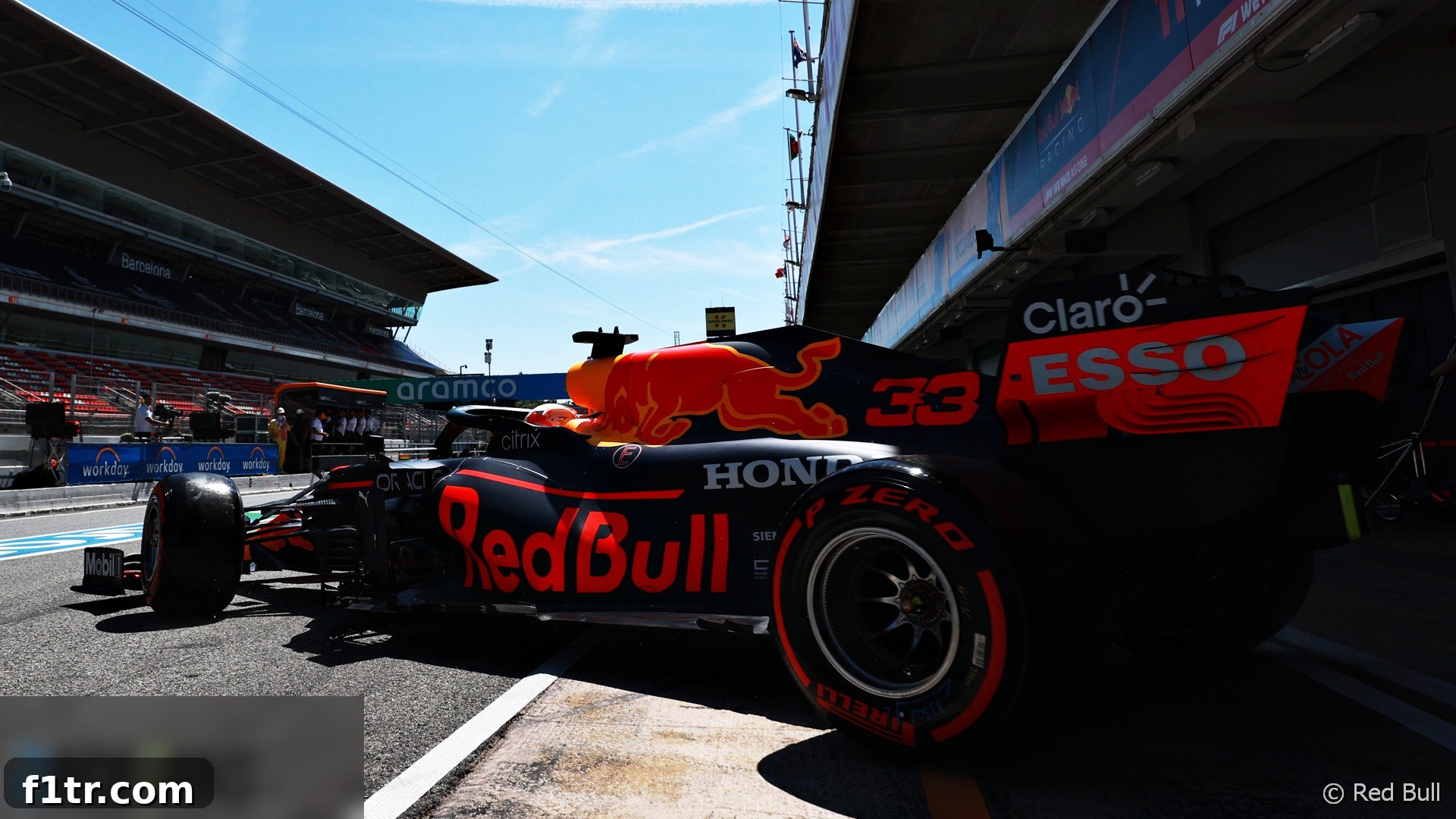
Indeed, observations revealed that the tyre blankets were removed from Max Verstappen’s car more than 30 seconds before he was lowered to the ground to leave the pits for his final run in Q3 at the Circuit de Catalunya. This timeframe allowed for a significant amount of passive cooling, potentially giving him an unfair advantage. While Red Bull subsequently stated they had “adhered to Pirelli’s tyre parameters at all times” in response to Pirelli’s explanation for the Azerbaijan Grand Prix failures, the new directive specifically targets such practices, ensuring a level playing field and eliminating any grey areas that might have been exploited previously.
Preventing Gas Composition Alterations
Beyond pressure and temperature, the FIA is also cracking down on other subtle forms of tyre manipulation. Teams have been explicitly told they may not alter the composition of the gas within the tyres, including its moisture content. The reason for this prohibition is that changing the gas composition can influence how tyre pressure fluctuates with temperature, effectively allowing teams to achieve different pressure levels when their cars are running on track compared to static checks. For instance, using a drier gas or a gas with different thermal expansion properties could allow a tyre to run with lower effective pressure on track while still registering compliant pressures during static checks. This sophisticated form of manipulation, which provides an unfair competitive edge and could compromise safety, will also be policed rigorously using the newly defined ‘cold cooling curve’ benchmarks.
Enhanced Scrutiny: New Monitoring and Enforcement
The new technical directive doesn’t just outline forbidden practices; it also details a robust framework for monitoring and enforcement. The FIA is implementing a multi-pronged approach to ensure compliance, featuring detailed cold pressure checks and real-time temperature surveillance, backed by strict penalties.
Rigorous Cold Pressure Checks
Cold pressure checks will now be conducted on a broader range of tyres. This includes all tyres used by each driver to set their quickest lap time in the last qualifying segment they reach, all tyres utilized in races and Sprint Qualifying sessions, and a selection of other tyre sets. These tyres will be rigorously judged against a ‘cold cooling curve’ specified by Pirelli. This curve is a detailed model that outlines what a tyre’s pressure should be at various specific temperatures, providing a precise benchmark for compliance irrespective of ambient conditions. This scientific approach ensures that checks are consistent and fair, removing any subjective interpretations.
To facilitate these enhanced cold pressure checks, teams will be required to supply their own sealable valve covers by July 12th. Until this date, FIA-supplied seals will be used. This phased implementation allows teams time to adapt to the new requirements. Crucially, the tolerance for non-compliance will also tighten: prior to July 12th, any team found to have a tyre pressure “significantly” below the level specified by the cooling curve will be reported to the stewards. However, after July 12th, the threshold becomes far more stringent: any team found to be merely 0.1 psi under the specified level will be reported. This extremely tight tolerance highlights the FIA’s commitment to absolute precision and adherence to the new regulations.
Real-time Temperature Surveillance
In addition to pressure, the FIA will also actively measure tyre temperatures in garages during qualifying and the race. This critical monitoring will be performed as swiftly as possible prior to the tyres being fitted to the car. A practical caveat has been added to this procedure: inspectors will not delay teams if they need to perform a pit stop at short notice, particularly during a Safety Car period, acknowledging the dynamic nature of F1 strategy. However, this exemption does not diminish the overall scrutiny.
Any tyres found to be excessively hot must either have their settings adjusted within the blankets to meet the correct temperature range or be replaced entirely. Furthermore, teams will face reporting to the stewards if they are found to be repeatedly heating tyres during sessions but not subsequently running them on their cars. This measure targets potential attempts to cycle tyres through heating and cooling processes to gain some obscure performance benefit without actually using them in competition.
Penalties and Compliance
The enforcement mechanisms are robust. Any team whose tyres are found to be under-inflated may be required to immediately increase the pressures to the compliant level. In more serious or repeated cases, they will be reported to the stewards, facing potential penalties. A clear new rule states that prior to the start of the race, any car that fails the tyre pressure checks after the three-minute signal is given will be mandated to start from the pits, a significant sporting penalty that impacts race strategy and outcome. The tyre pressure checks themselves will be carried out using specialized gauges, sealed by the FIA and calibrated by Pirelli, ensuring accuracy and preventing tampering. Temperature measurements will be taken using precise infra-red guns, further enhancing the reliability and consistency of the inspections.
Impact on Teams and the Future of F1 Safety
These stringent new regulations will undoubtedly have a significant impact on F1 teams. They demand a heightened level of precision in tyre management, requiring advanced engineering and meticulous operational protocols. Teams will need to re-evaluate their pre-session and in-session tyre handling procedures, investing in more accurate equipment and potentially adjusting their strategy development. The increased scrutiny will challenge engineers and mechanics to operate within much tighter margins, pushing the boundaries of their technical and logistical capabilities.
Ultimately, the goal of these comprehensive measures is twofold: to enhance the safety of all drivers by preventing dangerous tyre failures and to ensure a level playing field where competitive advantage is gained through legitimate engineering prowess and driving skill, not through the exploitation of grey areas in tyre regulations. The FIA and Pirelli are sending a clear message: tyre integrity and driver safety are paramount. The French Grand Prix will be the first true test of these new rules, setting a precedent for a safer and fairer future in Formula 1.
2021 F1 season
- Masi ‘basically gifted the championship’ to Verstappen says 2021 FIA steward Sullivan
- Las Vegas race backers looking to extend F1 deal beyond 2025
- Why Mercedes put ‘a reminder of joy and pain’ on display in their factory lobby
- Verdict on error in GT race suggests Mercedes would have lost 2021 Abu Dhabi GP appeal
- Title ‘stolen’ from Mercedes made us ‘underdogs people cheer for’ – Wolff
Browse all 2021 F1 season articles