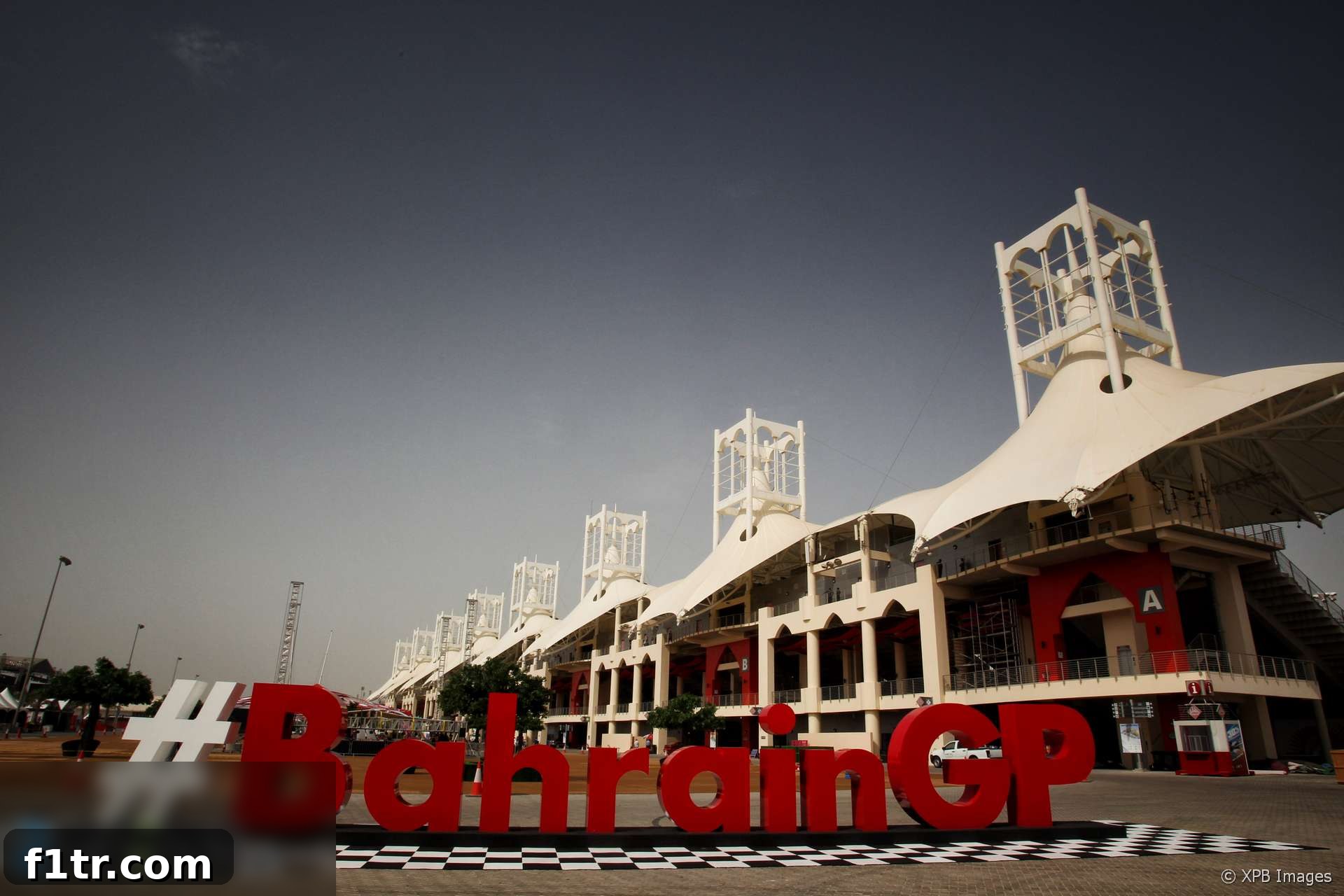
In a fresh series of articles set to unfold throughout each race weekend, veteran F1 journalist Dieter Rencken offers his unparalleled insights directly from the heart of the Formula 1 paddock. This week, as the F1 circus descends upon the Kingdom of Bahrain, a palpable sense of anticipation and intrigue surrounds the upcoming revelations from Liberty Media, the sport’s commercial rights holders. Teams are keenly awaiting a crucial presentation that will outline Liberty’s ambitious plans for the future trajectory of Formula 1 beyond the 2020 season, a moment that could redefine the very fabric of the sport.
My journey to this pivotal Grand Prix weekend began with a flight to Dubai via Emirates, marking my first “live” race attendance of the year. Each time I transit through Terminal 3 of Dubai International Airport, I am invariably struck by the astonishing pace of growth witnessed by both the airline and, by extension, the airport itself. A marvel of modern aviation infrastructure, DXB Terminal 3 is a gargantuan, barn-like structure, bustling with an incessant flow of global travelers. As I awaited my onward connection to Bahrain, I was once again captivated by its sheer scale and vibrant energy, a testament to its status as a vital crossroads of international travel.
While it may rank as the world’s third-largest airport by annual passenger numbers, handling an impressive 85 million passengers compared to the 100 million-plus seen at Atlanta and over 90 million at Beijing, Dubai International Airport stands in a league of its own as the fastest-growing aviation hub on the planet. Since 2002, when it managed a mere 16 million movements, its growth has soared by over 400%. Despite the ongoing, extensive construction projects that perpetually reshape its landscape, a common sight for frequent visitors, both my connecting flights maintained remarkable punctuality, a feat that speaks volumes about the efficiency of its operations.
Upon arrival, Bahrain immediately reaffirms its well-earned reputation as the ‘Warm Heart of the Gulf.’ This epithet is more than just a marketing slogan; it’s a living reality evident in the genuine warmth and courtesy extended by everyone, particularly the immigration staff. In nearly two decades of visiting this welcoming nation, I have consistently been met with nothing but exemplary politeness and helpfulness, setting a high standard for hospitality that truly enhances the Grand Prix experience for all international visitors.
For media professionals covering the event, the visa formalities are refreshingly straightforward. A simple submission of one’s passport details and a few personal particulars is all that’s required, with the Bahrain International Circuit efficiently handling the remainder of the process. This streamlined approach stands in stark contrast to the bureaucratic hurdles encountered in some other countries, where media accreditation can involve navigating dozens of pages of documentation and incurring exorbitant fees – sometimes exceeding £200 – merely for the privilege of publicizing their race. Bahrain’s pragmatic system is a welcome relief, allowing journalists to focus on their primary task of reporting the racing action.
However, even in the most well-oiled operations, the initial day of any F1 event often comes with its share of minor glitches as everyone adjusts back to the demanding Grand Prix routine. Our media shuttle service, typically managed by a driver more accustomed to local school runs, unfortunately experienced some navigational challenges. First, there was a mix-up between the identically named Gulf Hotel and Gulf Inn. Then, we inadvertently ended up at the incorrect Ramada hotel – a common issue in Manama, which boasts three distinct establishments under the same brand. Consequently, what should have been a relatively swift 10-mile journey to the Bahrain International Circuit stretched into a protracted two-hour odyssey, reminding us that even in the high-octane world of F1, everyday logistics can occasionally provide an unexpected detour.
Liberty Media’s Vision for F1: A New Era Dawns in Bahrain
Undoubtedly, the most significant talking point dominating the paddock this weekend is Liberty Media’s highly anticipated presentation to the teams regarding their comprehensive post-2020 plans for Formula 1. This isn’t just about minor tweaks; it’s a blueprint for the sport’s entire future, encompassing everything from financial distribution and governance to engine regulations and calendar expansion. The stakes are incredibly high, as the current Concorde Agreement, which dictates how the sport is run and how revenues are shared, is set to expire at the end of the 2020 season. The decisions made here in Bahrain will profoundly impact the competitiveness, financial viability, and overall spectacle of Formula 1 for years to come.
Significantly, the Fédération Internationale de l’Automobile (FIA), the sport’s governing body, will reportedly play no direct part in these specific proceedings. This absence underscores the commercial nature of the meeting, which, as one seasoned team principal aptly described it, will be a “suck it and see” session. Liberty Media, with former Ferrari and Brawn GP technical director Ross Brawn leading the charge, will be presenting their vision in full. The objective is to gauge immediate reactions from the team principals and other key stakeholders, gathering critical feedback that will undoubtedly shape the subsequent negotiations and refinements of these pivotal proposals.
The chosen venue for this crucial meeting is the circuit’s Oasis conference complex, strategically located outside the main F1 paddock within the support race area. This choice of location, away from the immediate hustle and bustle of the team garages and media center, suggests a desire for a more controlled and confidential environment for such sensitive discussions. The presentation was meticulously scheduled to commence at 10 am, and according to reliable sources, it will not be attended by FIA technical staff. This further reinforces the understanding that this is a Liberty-driven commercial and strategic presentation, distinct from any technical regulations that would typically fall under the FIA’s purview. Moreover, attendees of recent Liberty Media meetings have been required to sign strict non-disclosure agreements (NDAs), and expectations are high that Friday’s session will be no different, ensuring a tight lid on the specifics of the proposals until Liberty deems it appropriate to release them publicly.
Bernie Ecclestone’s Return and Expected Scrutiny
Adding another layer of intrigue to an already electric atmosphere, former Formula 1 supremo Bernie Ecclestone is set to arrive in Bahrain tomorrow. This visit marks his first appearance at a Grand Prix since the Brazilian event last year, following his removal from the sport’s helm by Liberty Media 15 months ago, a transition that saw Ross Brawn step into a leadership role. Ecclestone, known for his forthright opinions and often critical views of the sport’s current direction under new ownership, is widely expected to voice his objections to what Liberty Media will present. This anticipated criticism aligns with his recent public statements, where he has frequently expressed skepticism and disapproval of the changes being implemented by the new management. His presence in the paddock, even as an observer, will undoubtedly draw significant attention and add a nostalgic, yet potentially disruptive, element to the weekend’s narrative.
F1 Calendar Expansion: A Look Beyond the Middle East
Thursday evening saw the assembled media corps gather at The Foundry restaurant, where the Bahrain International Circuit (BIC) hosted its traditional welcome party. The establishment prides itself on its ‘walking buffet’ featuring exquisite imported steak and salmon dishes, and last night’s offering certainly lived up to its renowned standards. Amidst the lively dinner session, I had the opportunity to catch up with Arif Rahimi, the esteemed Chairman of the BIC. During our conversation, Mr. Rahimi confirmed that the Bahrain International Circuit remains optimistic about its return to the World Endurance Championship (WEC) calendar for the highly anticipated 2019/20 season, a testament to its commitment to global motorsport beyond F1.
The discussion inevitably shifted to the potential expansion of the Formula 1 calendar, particularly in the Middle East. Mr. Rahimi shared his informed perspective, expressing the belief that Formula 1 is unlikely to expand beyond its current two rounds in the region – Bahrain and Abu Dhabi – despite persistent rumors that Qatar is actively seeking a slot on the prestigious calendar. “Liberty are looking elsewhere, such as Asia and the USA,” he stated, highlighting the strategic geographical focus of the sport’s commercial rights holders. “So I don’t think another race in this region is a priority for them right now,” he elaborated, emphasizing a perceived saturation point within the Gulf. Rahimi further explained the region’s current ideal positioning: “We are probably at saturation point, and it works well with us at the beginning of the season and Abu Dhabi at the end.” This structured approach allows for a strong regional presence bookending the F1 calendar, maximizing impact without overextending within a single geographical market. Liberty Media’s outward gaze towards new and emerging markets underscores a broader strategy to grow F1’s global footprint and attract new fan bases in regions with untapped commercial potential, ensuring the sport’s continued expansion and relevance on a worldwide stage.
Go ad-free for just £1 per month>> Find out more and sign up
Related Articles from the 2018 F1 Season
- F1 feared “death knell” for Drive to Survive after Ferrari and Mercedes snub
- McLaren staff told us we were “totally crazy” to take Honda engines in 2018 – Tost
- ‘It doesn’t matter if we start last’: How Red Bull’s junior team aided Honda’s leap forward
- Honda’s jet division helped F1 engineers solve power unit problem
- McLaren Racing losses rise after Honda split
Browse all 2018 F1 season articles