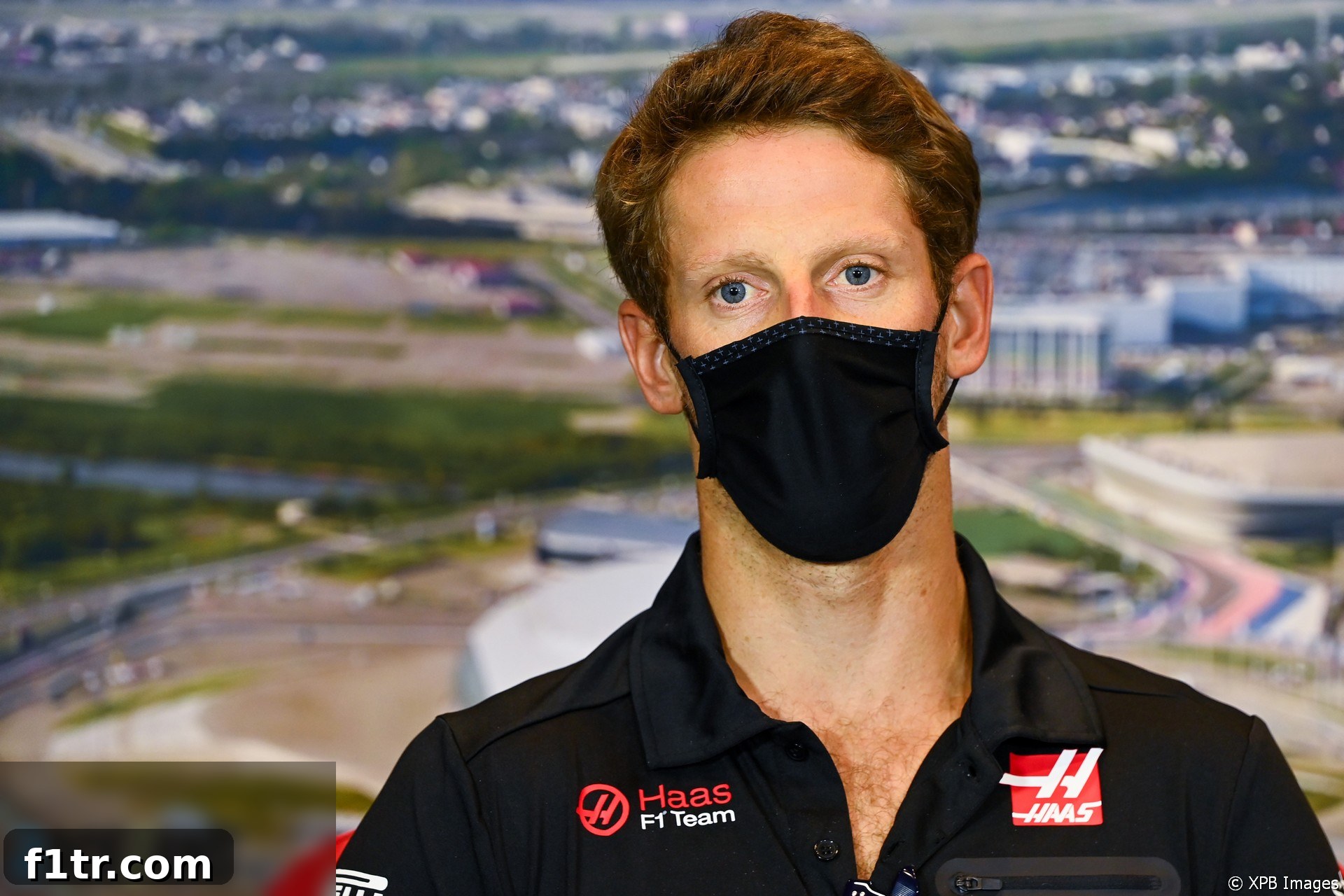
Romain Grosjean, a candid and experienced figure in Formula 1, has unequivocally expressed his disapproval of the sport’s proposal to introduce reverse-grid qualifying races. This strong stance is particularly noteworthy given that, under such a system, he would stand to benefit immensely, potentially starting from pole position due to his current standing at the back of the drivers’ championship. Grosjean’s opposition highlights a deeper philosophical debate within Formula 1, pitting traditional sporting integrity against novel approaches designed to enhance spectacle and unpredictability.
Deconstructing the Reverse Grid Proposal
The controversial proposal, championed by Formula 1 managing director Ross Brawn, seeks to replace the conventional qualifying format with a series of short sprint races. These races would feature a radical twist: drivers would line up in reverse order of their current championship standings. The outcome of these sprint events would then determine the starting grid for the main Grand Prix on Sunday. The primary objective behind this innovative concept is to inject an additional layer of excitement and unpredictability into race weekends, creating more overtakes, challenging dominant teams, and potentially offering midfield or backmarker teams a rare chance to lead from the front.
Brawn has indicated a desire to implement this format at a select number of races in the upcoming seasons, viewing it as a limited experiment to gauge its impact and reception. For a driver like Grosjean, who at the time found himself at the bottom of the championship standings, this proposal would be a unique boon, guaranteeing him a front-row start, perhaps even pole position, for the sprint race. However, this personal advantage has done little to sway his firm belief that such a change runs contrary to the fundamental ethos of Formula 1.
Romain Grosjean’s Unwavering Stand Against Artificiality
Despite the clear personal benefit of starting from pole, a feat he has never achieved in his extensive F1 career, Grosjean remains steadfast in his opposition to the reverse-grid idea. “I still don’t like it,” he declared in an interview with RaceFans, adding with conviction, “Even though we’d start on pole, I don’t like it.” This isn’t merely a preference; it’s a principled objection rooted in his understanding of Formula 1 as a meritocracy, where starting positions are earned through raw speed and driver skill, not through engineered handicaps.
The Haas driver articulated his reasoning, arguing that the existing level of competition, particularly within the midfield, already provides ample excitement and demonstrates that Formula 1 has no need for what he perceives as artificial “gimmicks” to generate good races. He firmly believes that the sport’s intrinsic drama, fueled by genuine competition, is more than sufficient.
The Thrill of the Midfield Battle: F1’s Untapped Excitement
Grosjean passionately emphasized the quality of racing already present on the grid, often overshadowed by the battle at the very front. “I think the midfield battle – sorry to say, but once you remove the Mercedes and Max Verstappen – the battle is going on absolutely flat out and it’s mega,” he stated. This observation highlights a critical point: while much of the fan and media attention naturally gravitates towards the championship contenders, the midfield is often where the most intense, wheel-to-wheel racing unfolds. Teams fiercely compete for crucial constructor points, and drivers fight for position, reputation, and potentially their careers.
For Grosjean, these organic battles are the true essence of Formula 1. Introducing a reverse-grid format, in his view, risks devaluing these genuine contests by creating manufactured excitement. It could shift the focus away from the relentless pursuit of engineering excellence and driving precision, instead encouraging a strategic approach to championship standings that might undermine the integrity of individual race weekends. The sport, he argues, should not have to fabricate drama when authentic, high-stakes competition is already abundant.
The True Path to Engagement: Genuine Competitive Balance
Rather than resorting to reverse grids, Grosjean advocates for a more fundamental and sustainable solution: achieving greater competitive balance across the entire field. “So I guess the solution for me is somewhere else. We just need to find a solution that the cars are more together in terms of performance,” he stressed. This sentiment resonates deeply with a significant portion of the F1 community, including many fans, drivers, and team principals, who believe that closer competition naturally leads to more engaging and unpredictable racing without compromising the sport’s core values.
The challenge, however, lies in implementing this vision. Formula 1 has a long history of grappling with the issue of competitive disparity, experimenting with various regulatory frameworks – from aerodynamic limitations and engine development freezes to the more recent introduction of budget caps – all aimed at curbing excessive spending and preventing one team from maintaining an overwhelming advantage for too long. Achieving true parity is an intricate dance between innovation, regulation, and resource management.
Navigating the Era of Mercedes Dominance
Grosjean’s comments inevitably touched upon the elephant in the room: Mercedes’ unprecedented and sustained era of dominance. “Mercedes has been doing an incredible job for many years now and if everything stays the same for next year I still see them being world champions and probably Lewis [Hamilton] being eight-times world champion, which will be very incredible,” he acknowledged. While recognizing the sheer brilliance of Mercedes’ engineering and the unparalleled skill of Lewis Hamilton, his statement implicitly suggests that such prolonged dominance, however earned, ultimately presents a challenge to the sport’s overall spectacle.
The underlying drive for competitive balance is not about punishing success but about cultivating an environment where multiple teams and drivers possess a realistic opportunity to contend for victories and championships. This, Grosjean argues, is the most authentic way to produce the thrilling, unpredictable racing that fans desire, far more effectively than any artificial manipulation of the grid.
F1’s Identity: Tradition vs. Innovation
Grosjean’s opposition to reverse grids also stems from a profound respect for Formula 1’s rich heritage and its defining characteristics. “But I think to me it’s more that we need to bring the field together rather than trying reverse grid and things like that. It just doesn’t fit quite what I’ve been growing up with and what I’d like to see in Formula 1,” he concluded. His words encapsulate a broader philosophical tension within the sport: the ongoing debate between preserving F1’s traditional format, where qualifying pace dictates the starting grid and pure performance reigns supreme, and the push for innovative formats that prioritize entertainment, even if it means diverging from established norms.
The discussion around reverse grids often involves comparisons with other motorsport series, such as Formula 2 or various touring car championships, where such formats are commonly employed to create exciting racing. While these series have demonstrated the effectiveness of reverse grids in generating drama, many critics argue that Formula 1, as the pinnacle of global motorsport, should maintain its unique identity and unwavering commitment to being the ultimate test of speed, technological prowess, and driving skill without resorting to artificial interventions. The concern is that F1 risks diluting its distinct appeal and becoming too similar to other racing categories if it compromises its foundational principles.
The Dual Perspectives: Pros and Cons of Reverse Grid Sprint Races
While figures like Romain Grosjean and many traditionalists strongly oppose the reverse grid concept, it’s imperative to explore the arguments from both sides to fully grasp the complexities of this ongoing debate within Formula 1.
Potential Advantages of Reverse Grids:
- Enhanced Spectacle: By compelling the fastest cars and drivers to start from the back of the grid, reverse grids almost guarantee a significantly higher number of overtakes and dramatic charges through the field, particularly during the sprint race itself. This can lead to visually thrilling racing from start to finish.
- New Challenges for Elite Teams and Drivers: This format would force top teams and their star drivers to demonstrate their skill and car performance in challenging traffic conditions, rather than simply disappearing into the distance from pole position. It tests a different facet of their abilities.
- Opportunities for Underdogs: Smaller teams and less experienced drivers would be granted a rare chance to start from the front, potentially leading a Formula 1 race, even if only for a short sprint. This increased visibility could be invaluable for their exposure, confidence, and attracting sponsors.
- Increased Unpredictability: Reverse grids undoubtedly introduce more variables and less predictable race outcomes, which proponents argue is crucial for attracting new fans and maintaining interest among existing audiences who crave suspense.
Potential Disadvantages of Reverse Grids:
- Undermining Sporting Integrity: The most significant criticism is that reverse grids are an artificial construct that fundamentally compromises the sporting integrity of Formula 1. It deviates from the core principle of meritocracy, where the fastest car and driver earn their starting position.
- Devaluing Qualifying: If the result of the traditional qualifying session does not directly determine the starting grid for the main Grand Prix, it could significantly diminish the importance, prestige, and excitement of Saturday’s crucial time trials.
- Risk of Strategic Sandbagging: There’s a risk that teams might strategically underperform in earlier sessions (e.g., Friday practice) to secure a more favorable starting position for the reverse-grid sprint race, leading to unintended consequences and potentially less competitive racing at times.
- Dilution of F1’s Identity: Many argue that Formula 1, as the absolute pinnacle of motorsport, should not adopt formats commonly used in junior categories or touring car series. Its unique appeal stems from its relentless, pure pursuit of speed and technological advancement.
- Impact on Championship Fairness: Consistent point scorers and championship contenders might find their campaigns unnecessarily hampered by having to regularly fight through traffic, potentially skewing the championship outcome and rewarding less consistent performance.
Exploring Alternative Paths to Enhanced Racing
If reverse grids are deemed unsuitable for Formula 1, what alternative strategies exist to ensure the sport remains a thrilling spectacle without compromising its essence? Many stakeholders believe the focus should be on fundamental changes that inherently lead to closer racing and more engaging competition.
- Aerodynamic Regulations: Continual efforts to simplify aerodynamics and reduce the impact of “dirty air” are crucial. The goal is to allow cars to follow each other more closely and enable more effective overtaking, as seen with the significant regulatory overhaul in 2022.
- Budget Caps: The introduction and refinement of budget caps aim to limit spending disparities between teams, preventing wealthier teams from simply overpowering their rivals through sheer financial muscle. Over time, this should naturally converge performance levels.
- Engine Convergence: Ongoing efforts to minimize performance gaps between different power unit manufacturers are vital for creating a more level playing field, ensuring no single engine supplier holds an insurmountable advantage.
- Tyre Strategies: Developing diverse and challenging tyre compounds that necessitate varied strategies throughout a race can add an extra layer of unpredictability and tactical depth, leading to more dynamic races.
- Track Design Enhancements: While less frequently altered, optimizing track layouts to promote genuine overtaking opportunities and demanding driver skill remains a significant, albeit challenging, avenue for improving race quality.
Conclusion: F1’s Enduring Quest for Balance
Romain Grosjean’s steadfast opposition to reverse-grid qualifying races underscores a pivotal debate at the heart of Formula 1: how to balance its revered heritage with the contemporary demand for consistent spectacle and fan engagement. While the ambition to make every race weekend unpredictable and entertaining is perfectly valid, the methods to achieve this are fiercely contested. Grosjean, like many purists and seasoned veterans, firmly believes that authentic competition, born from closely matched machinery and unadulterated driving talent, represents the most sustainable and true path to captivating racing. Introducing artificial elements, even with the best intentions of generating excitement, risks alienating a significant segment of the fanbase and diluting the very essence that has cemented Formula 1 as the pinnacle of global motorsport for decades. The focus, he contends, should unequivocally remain on engineering a future where the cars themselves are more evenly matched, allowing the natural, unfiltered drama of competition to unfold, rather than attempting to orchestrate it through rule changes that contradict the sport’s fundamental and enduring principles.
Advert | Become a RaceFans supporter andgo ad-free
2020 Russian Grand Prix
- Despite F1 drivers’ concerns, stewards don’t give penalty points for “minor infringements”
- 2020 Russian Grand Prix Star Performers
- “Slower” Ferrari only beat us because of Q3 tyre rule – Tost
- “I may not always get it right” says Hamilton after penalty criticism
- Why did the stewards make their second U-turn this year on a Hamilton penalty call?
Browse all 2020 Russian Grand Prix articles