Ferrari’s Technical Brainwave: David Sanchez Departs for New F1 Horizons
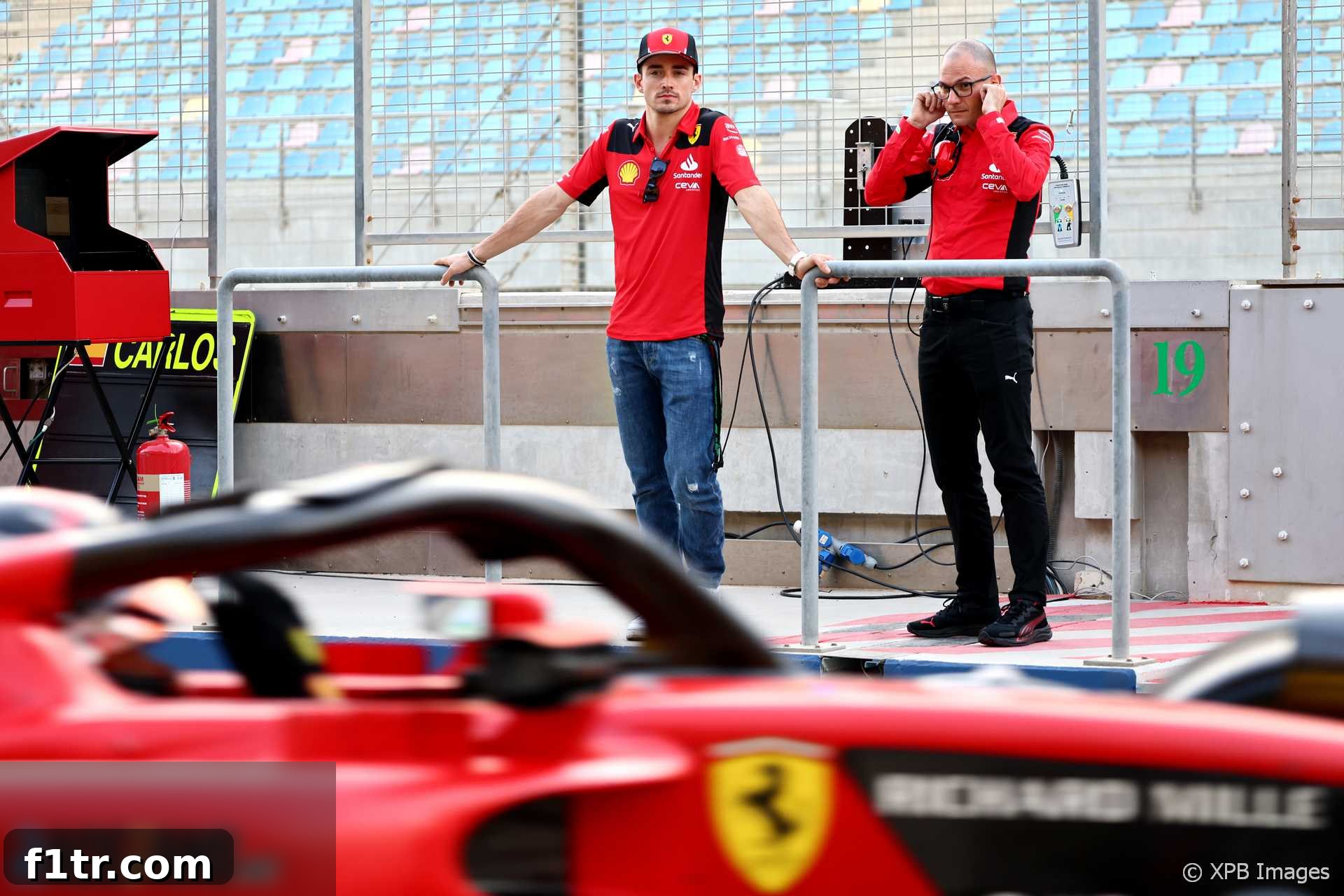
In a significant shake-up within the Formula 1 paddock, David Sanchez, Ferrari’s highly respected head of vehicle concept, has officially confirmed his departure from the iconic Italian team. Sanchez, a pivotal figure in Ferrari’s design department for a decade, is set to embark on a new chapter with “another F1 project,” a move that sends ripples of speculation and strategic implications across the grid.
A Decade of Design Excellence at Maranello
David Sanchez’s journey with Ferrari began ten years ago when he transitioned from rivals McLaren, bringing a wealth of experience and a keen understanding of Formula 1 car architecture. Over his tenure, he steadily rose through the ranks, eventually assuming the critical role of head of vehicle concept within Ferrari’s esteemed chassis department. This division, under the leadership of Enrico Cardile, was instrumental in shaping the fundamental design and aerodynamic philosophy of Ferrari’s challengers. His expertise spanned crucial areas, from conceptualizing the car’s overall layout to influencing intricate aerodynamic solutions, making him an invaluable asset to the Scuderia.
Sanchez’s departure comes at a particularly sensitive time for Ferrari. His role placed him at the core of the team’s long-term car development strategy, influencing not just the immediate season’s car but also the trajectory of future designs. His decision, as he communicated through a social media post, was “thoroughly matured for quite some time,” indicating a carefully considered move rather than a hasty reaction. The prospect of him “getting back to work” with a new team is undoubtedly a tantalizing one for his future employer and a potential strategic blow for Ferrari.
The Post-Binotto Era: Vasseur’s Early Challenges
This high-profile exit marks the second major personnel change at Ferrari since Frederic Vasseur took the helm as team principal at the start of 2023. Vasseur stepped into a demanding role following the resignation of Mattia Binotto at the close of a disappointing 2022 season, which saw Ferrari’s promising early form unravel due to strategic missteps and reliability issues. The pressure on Vasseur to steer the Prancing Horse back to championship contention is immense, and maintaining technical stability is paramount.
Prior to the season’s commencement, Vasseur had publicly stated his cautious approach to restructuring Ferrari’s established hierarchy. “It will be arrogant on my side to take action on the technical organisation after two weeks,” Vasseur told media in January, emphasizing his intent to first observe and understand the existing mechanisms. He expressed trust in the incumbent personnel and a desire to empower them to perform at their best, suggesting that any significant changes would only come “after a couple of weeks or months, to take action if it’s not working.” Despite these initial reassurances, Sanchez’s departure, coupled with the earlier replacement of chief strategist Inaki Rueda by Ravin Jain, suggests that the “couple of weeks or months” have indeed brought about crucial decisions regarding key personnel.
Where Next? The McLaren Rumours and Strategic Implications
While David Sanchez has maintained a diplomatic silence regarding his next destination, Italian media reports have strongly indicated a return to McLaren. Such a move would represent a significant homecoming for Sanchez, who previously served at the Woking-based outfit between 2007 and 2012, sandwiched between a two-year stint at Renault. His rejoining McLaren would not only provide the team with an experienced and highly regarded technical mind but also arm them with invaluable insider knowledge of Ferrari’s operational philosophies and design methodologies, a potential competitive advantage that cannot be overstated.
For Ferrari, losing a figure of Sanchez’s calibre, especially to a direct competitor or a team aspiring to challenge at the front, poses significant strategic challenges. In the cutthroat world of Formula 1, the intellectual property held within a team’s top technical staff is arguably as critical as its physical assets. The loss of a head of vehicle concept necessitates not only finding a suitable replacement but also ensuring a smooth transition of responsibilities and maintaining continuity in car development. This process can be disruptive and potentially impact the team’s performance trajectory in the medium to long term.
McLaren, on the other hand, would stand to gain immensely. Having endured a challenging period with inconsistent performance, particularly at the start of the 2023 season, the acquisition of a proven talent like Sanchez could be a catalyst for their technical resurgence. His previous experience with the team would likely facilitate a quicker integration, allowing him to contribute effectively to their ongoing efforts to improve their car’s concept and competitiveness.
The 2023 Season Opener: A Troubled Start for Ferrari
The backdrop to these personnel shifts is Ferrari’s underwhelming start to the 2023 Formula 1 season. The opening round in Bahrain painted a stark picture of the challenges ahead. The Scuderia currently occupies fourth place in the constructors’ championship, trailing behind Red Bull, Aston Martin, and Mercedes – a position far from their championship aspirations. The Bahrain Grand Prix proved particularly frustrating, with Charles Leclerc, who had qualified third, forced to retire late in the race due to a power unit failure. While Carlos Sainz Jnr managed to secure a fourth-place finish, the race highlighted persistent issues with both reliability and pace compared to their front-running rivals. This performance deficit, especially in a season where stability and rapid development are key, adds an extra layer of urgency to Ferrari’s internal dynamics and external acquisitions.
The retirement of Leclerc in Bahrain was a particularly bitter pill to swallow. Not only did it cost valuable championship points, but it also underscored the reliability concerns that have plagued Ferrari in recent years. For a team aiming for the title, such setbacks early in the season can have a demoralizing effect and place immediate pressure on the technical departments responsible for power unit and chassis integrity. Sanchez’s departure amidst these challenges will undoubtedly intensify scrutiny on Ferrari’s overall technical direction and its capacity to address these pressing issues.
The Evolving Landscape of F1 Technical Talent
The movement of top technical personnel is a perennial feature of Formula 1, often signifying shifts in power dynamics and strategic ambitions among teams. Engineers and designers like David Sanchez represent the intellectual capital of the sport, and their decisions to switch allegiance can be driven by a multitude of factors: new challenges, better opportunities, differing team philosophies, or even personal reasons. These movements are typically shrouded in secrecy, particularly when garden leave clauses are involved, designed to prevent immediate knowledge transfer to rival operations.
The strategic importance of attracting and retaining elite technical talent cannot be overstated. A single brilliant mind or a cohesive technical team can unlock significant performance gains, turning a midfield contender into a front-runner. Conversely, losing key personnel can leave voids that are difficult to fill, potentially setting back development cycles by months or even years. As such, the competition for the brightest minds in engineering, aerodynamics, and car concept is as fierce as the on-track battles for championship points.
Looking Ahead: Ferrari’s Path to Recovery and McLaren’s Hopes
Frederic Vasseur now faces a formidable task. Beyond managing the immediate technical challenges on track, he must navigate the significant void left by David Sanchez’s departure. Rebuilding or re-energizing the technical leadership while maintaining focus on the current season’s performance and long-term car development will test his leadership skills to their limits. The speed and effectiveness with which Ferrari addresses these internal changes will be critical to their aspirations of challenging for the constructors’ and drivers’ championships in the coming years.
For McLaren, if the reports of Sanchez’s impending arrival prove true, it signals a clear intent to aggressively recruit top talent in their quest to return to the forefront of Formula 1. Combined with their ongoing infrastructure improvements and engine partnership, such a high-profile technical signing could be a crucial piece in their puzzle, empowering them to design and build more competitive cars. The upcoming months will undoubtedly reveal the full impact of this significant personnel move, shaping the competitive landscape for Ferrari, McLaren, and indeed, the entire F1 grid.
2023 F1 Season Developments and Insights
- FIA president cleared of alleged interference in two 2023 races
- First week viewing figures for new Drive to Survive season fall again
- Max who? Drive to Survive season six prefers its favourite faces
- RaceFans’ complete 2023 season review
- The F1 drivers who pulled off the 10 biggest charges through the field in 2023
Browse all 2023 F1 season articles