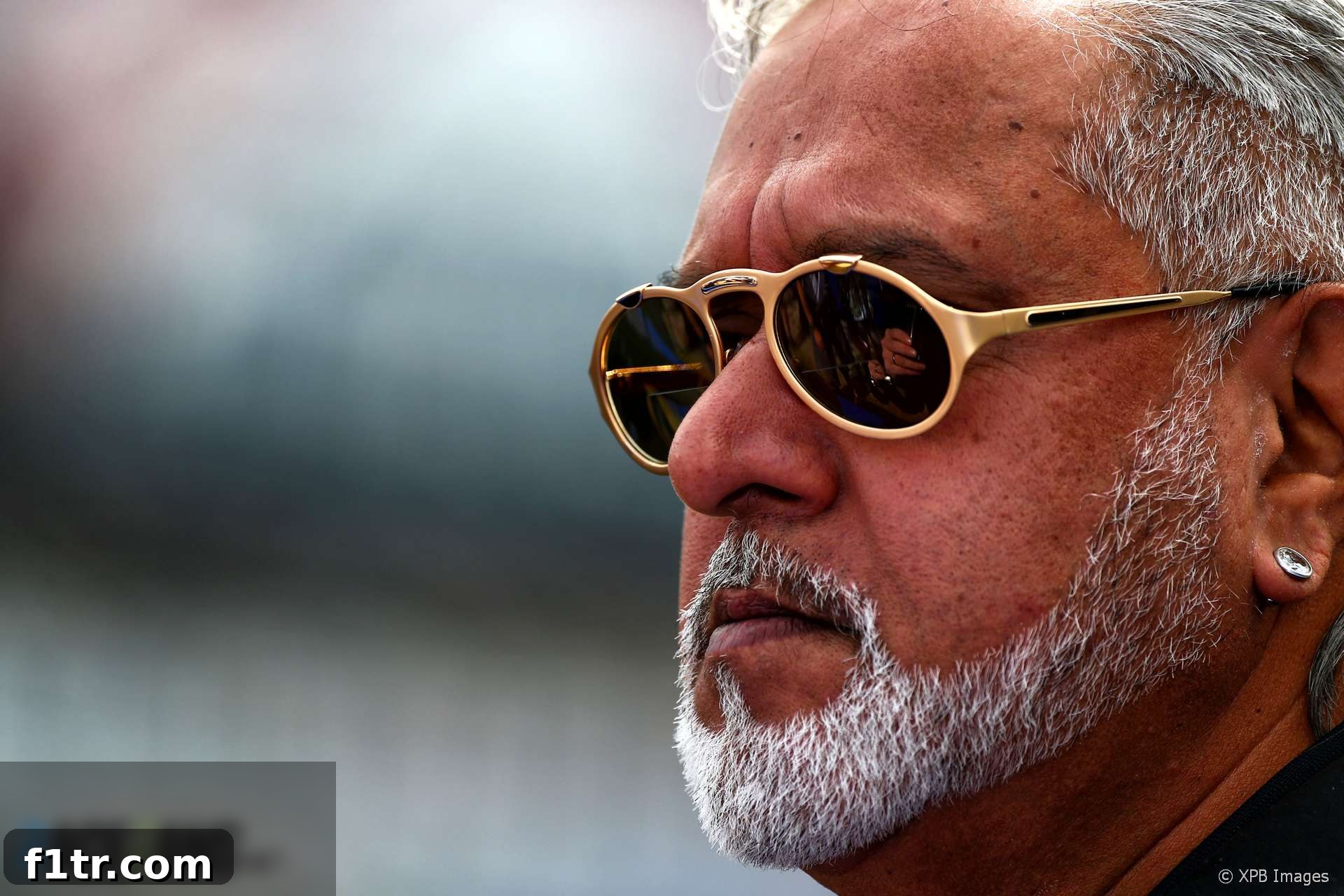
A New Era Dawns for Force India: Vijay Mallya Steps Down as Managing Director
A significant leadership transition has taken place within the Sahara Force India Formula 1 team, as long-time co-owner Vijay Mallya has officially stepped down from his role as managing director. This pivotal development marks a new chapter for the Silverstone-based outfit, even as Mallya retains his substantial shareholding and an active, albeit remote, interest in the team’s on-track endeavors. The change at the top comes amidst a backdrop of escalating legal and personal challenges faced by the charismatic Indian entrepreneur.
Mallya’s journey with the team began in 2008 when he acquired Spyker F1 and rebranded it as Force India, injecting a distinctive Indian identity into the highly competitive world of Formula 1. Under his stewardship, the team steadily climbed the ranks, earning a reputation for punching above its weight, often outperforming rivals with significantly larger budgets. His departure from the managing director position, while anticipated by those familiar with his ongoing struggles, nonetheless signals a formal shift in corporate governance, aiming to insulate the team from his personal tribulations.
The Succession Plan: Sidhartha Mallya Takes the Helm
In a move that emphasizes family continuity, Vijay Mallya is set to be succeeded as director by his son, Sidhartha Mallya. Sidhartha brings prior experience in high-profile sports management, having previously served as a director for the Royal Challengers Bangalore, a prominent team in the Indian Premier League (IPL) cricket franchise also owned by his father. This appointment suggests a desire for a seamless transition and a familiar hand at the wheel, even as the team navigates complex external pressures.
While the managing director role sees a change, the core operational management structure of Force India is largely expected to remain consistent. Robert Fernley will continue in his vital capacity as deputy team principal, providing leadership and strategic direction from the paddock. Complementing this, Otmar Szafnauer will maintain his responsibilities as chief operating officer, overseeing the day-to-day technical and logistical operations that are critical to an F1 team’s success. This continuity in key technical and sporting roles is crucial for maintaining stability and performance amidst leadership changes at the very top.
The ownership structure of Force India remains intricate, with Vijay Mallya and Subrata Roy, the head of the Sahara India Pariwar conglomerate, each holding a substantial 42.5% stake. The remaining 15% is owned by the Mol family, a long-standing partner in the team’s history. Subrata Roy continues in his role as chairman, ensuring that significant oversight remains from the Sahara group. This distributed ownership, while offering diverse perspectives and investment, also necessitates careful coordination and agreement on major strategic decisions for the team’s future.
Legal Storms and Their Impact on Leadership
The primary catalyst for Vijay Mallya’s decision to step down from the managing director role is understood to be the mounting intensity of his ongoing legal battles. Mallya has been embroiled in a high-profile extradition fight, with Indian authorities seeking his return to face allegations of fraud and money laundering amounting to billions of pounds. These charges are linked to the collapse of his Kingfisher Airlines, which left a trail of unpaid debts to various Indian banks and creditors.
The legal pressures have had significant practical implications for Mallya’s ability to directly engage with the Force India team. Following his arrest, he has been unable to leave the United Kingdom, effectively barring him from attending Grand Prix weekends and actively participating in the paddock. Despite this restriction, Mallya has endeavoured to maintain his involvement, reportedly operating a dedicated “control centre” from his residence to provide input on race weekend operations and strategic decisions. This remote style of management, while innovative, undoubtedly poses challenges for direct interaction and real-time decision-making within the fast-paced environment of Formula 1.
Adding to his legal woes, Mallya recently faced a considerable setback in the UK courts, where he lost a lawsuit brought by a consortium of Indian banks. The banks were seeking to reclaim approximately £1.15 billion from his various companies, further highlighting the severity and scale of the financial and legal quagmire he faces. Such high-stakes legal battles inevitably demand immense personal focus and resources, making it increasingly difficult for Mallya to dedicate the necessary attention to the day-to-day demands of managing a Formula 1 team. Stepping down as managing director allows him to concentrate on these pressing personal and legal matters, while theoretically protecting the team’s corporate image and operational integrity.
Beyond Legalities: Health Considerations
Further complicating Mallya’s situation are recent health concerns. The 62-year-old businessman underwent surgery on his Parotid Gland earlier, adding another layer of personal challenge to an already complex public and legal life. While details of his recovery and long-term health impact remain private, such medical issues can undoubtedly influence an individual’s capacity for high-pressure leadership roles, particularly in a demanding environment like Formula 1. These personal circumstances, combined with the legal pressures, paint a comprehensive picture of the factors driving his decision to relinquish direct managerial responsibilities.
Force India’s Future: Navigating Uncertainty with Resilience
The transition in management, while driven by external factors concerning its principal owner, prompts questions about Force India’s long-term stability and strategic direction. Historically, the team has been a paragon of efficiency, consistently achieving strong results despite being one of the more modestly funded operations on the F1 grid. Their ability to secure podiums and challenge established giants has earned them immense respect within the paddock.
The challenge now lies in maintaining this competitive edge and attracting crucial sponsorship in an environment where the public image of a major shareholder is under such intense scrutiny. While Sidhartha Mallya’s appointment brings fresh leadership, the continuity of Fernley and Szafnauer offers a reassuring presence for stability. The team will need to demonstrate its resilience and focus on the track, proving that its core operations and performance capabilities are robust enough to withstand the turbulence at the ownership level. Potential investors or future buyers will also be closely watching how the team manages this transition, assessing its commercial viability and operational independence from its shareholders’ personal issues.
Formula 1 is a sport where stability, investment, and clear leadership are paramount for success. Force India has always defied expectations, often achieving remarkable feats with limited resources. As this new chapter unfolds, the team’s ability to maintain its competitive spirit and secure its financial future will be key. The leadership change, therefore, is not merely a formality but a critical strategic realignment aimed at ensuring the team’s continued participation and success in the pinnacle of motorsport.
The Broader Context of F1 Governance and Ownership
The situation at Force India is not entirely unique within the annals of Formula 1, a sport frequently marked by shifting ownerships, financial pressures, and the personal dramas of its key figures. The intense financial demands of competing at the highest level mean that team principals and owners often face immense scrutiny, both financially and publicly. Mallya’s saga highlights the profound impact that an owner’s personal legal and financial standing can have on the very fabric and future of a racing team.
For Force India, the emphasis now firmly shifts towards strengthening its corporate governance, ensuring transparency, and reinforcing its identity as a fiercely independent and competitive outfit. The formal separation of the managing director role from Mallya’s direct involvement is a calculated move to provide this clarity and allow the team to focus solely on its sporting objectives, insulated as much as possible from external distractions. This period of transition will undoubtedly test the team’s resilience but also presents an opportunity to solidify its foundations for sustainable success in the future.
Conclusion: A Legacy of Ambition and an Uncertain Road Ahead
Vijay Mallya’s tenure as the driving force behind Force India has been marked by ambition, flair, and remarkable sporting achievements against the odds. His decision to step down as managing director closes a significant chapter in the team’s history, ushered in by a confluence of legal, financial, and personal challenges. While he remains a majority shareholder, the formal transition of leadership to his son, Sidhartha Mallya, signals a new phase for the team, one that prioritizes operational stability and strategic independence.
As Force India navigates this intricate period, its focus will undoubtedly remain on track performance and securing its financial future. The continuity of its experienced management team, coupled with a renewed emphasis on corporate governance, will be crucial in steering the team through the challenges ahead. The story of Force India continues, evolving from the legacy of its charismatic founder into a new era defined by resilience, strategic adaptation, and an unwavering commitment to competitive racing in Formula 1.
Further Reading and Engagement
Stay informed about the latest developments and insights from the world of Formula 1 and beyond:
- Explore F1 Team Management Challenges
- The History of Force India F1
- Understanding Formula 1 Ownership Dynamics
Browse all Formula 1 news and analyses