Romain Grosjean Prioritizes Family, Opts Out of IndyCar Oval Races Following Bahrain Crash
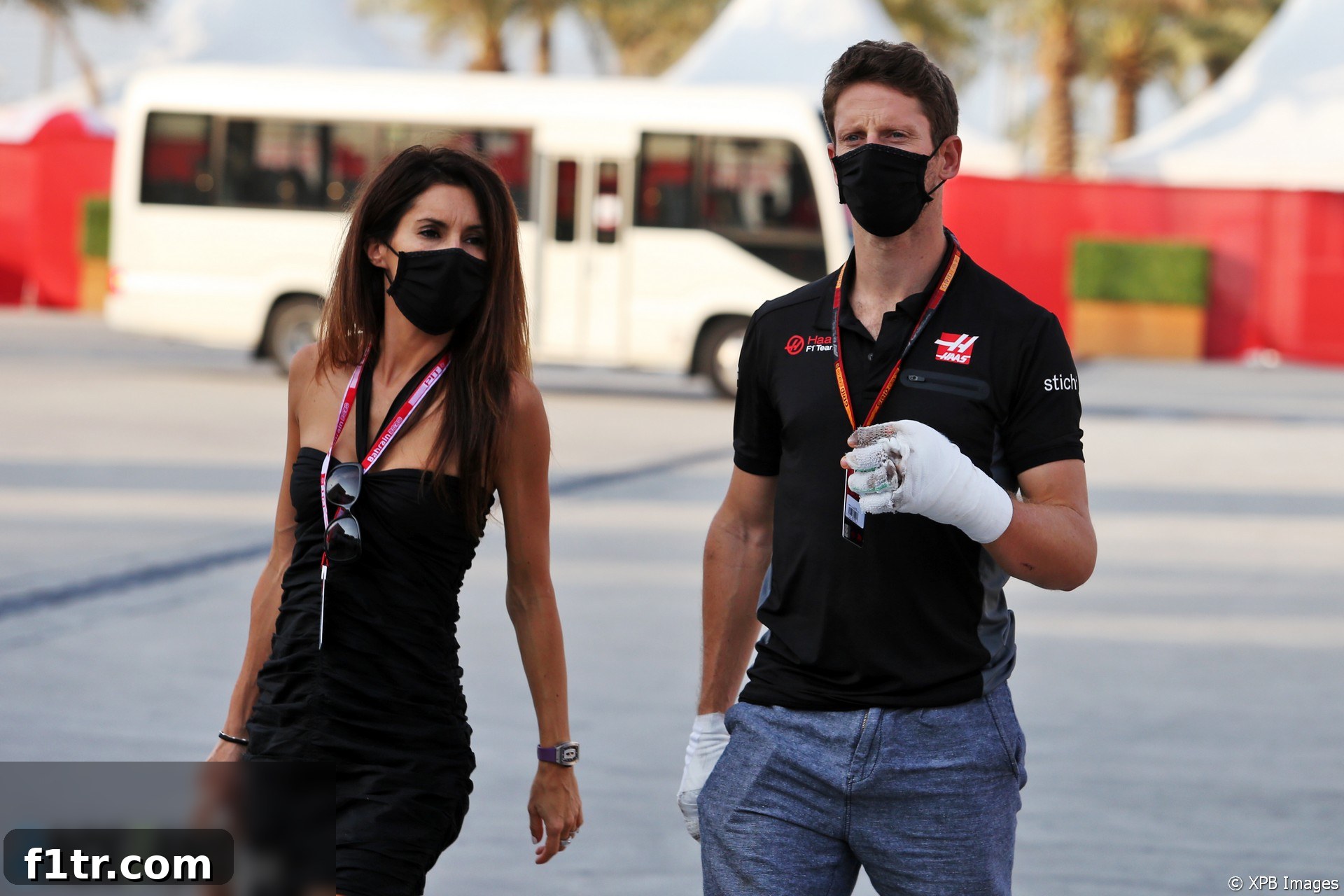
In a deeply personal decision stemming from his horrific crash at the Bahrain Grand Prix last year, former Formula 1 star Romain Grosjean has announced he will not compete in oval races during his highly anticipated debut season in the NTT IndyCar Series. The Frenchman, who miraculously escaped a fiery wreck with significant burns but no life-threatening injuries, stated that his choice is made out of profound respect and consideration for his family, particularly his wife and three children.
Grosjean confirmed his commitment to Dale Coyne Racing for the 2021 IndyCar season, where he will contest all 13 events scheduled on road and street courses. However, the high-speed ovals, a unique and often perilous aspect of American open-wheel racing, will remain off his calendar for now. This cautious approach underscores the lasting emotional impact of the November 2020 incident, which left his family distressed and fearing the worst.
Family Comes First: The Emotional Weight of a Racer’s Decision
Explaining his decision, Grosjean articulated the immense emotional toll his Bahrain accident took on his loved ones. “If I was 25 and single or even with no kids, I would be racing ovals, definitely,” he candidly stated. “Now it’s also a family choice. And on November 29, 2020, for two minutes and 45 seconds, three kids thought they had lost their dad and my wife thought she had lost her husband.” This harrowing experience has etched itself deep into his psyche, making the prospect of knowingly putting his family through similar anxiety unbearable. “The idea of putting them back to that situation, really, I can’t take it,” he concluded, highlighting the profound responsibility he feels towards his loved ones.
The decision to forgo oval racing is a testament to Grosjean’s maturity and his unwavering dedication to his family’s well-being. While racing remains his passion, the trauma of his accident has undeniably reshaped his perspective on risk-taking, particularly when considering the emotional burden it places on those closest to him. It’s a poignant reminder that even for a professional athlete driven by adrenaline, there are limits dictated by personal experience and familial love, especially when it comes to the extreme dangers associated with certain forms of motorsport.
Navigating IndyCar Ovals: A Unique Challenge and Heightened Risk
The NTT IndyCar Series features a diverse calendar, including traditional road courses, thrilling street circuits, and the iconic high-speed ovals. While road and street courses share similarities with Formula 1 tracks, ovals present a fundamentally different and often more dangerous challenge. These purpose-built tracks, ranging from short, bullring-style venues to sprawling superspeedways, demand a unique driving style and carry inherent risks due to sustained high speeds, close-quarters racing, and the ever-present danger of multi-car incidents and unforgiving wall impacts.
This year, IndyCar is scheduled to host four events on oval tracks. The crown jewel of American open-wheel racing, the Indianapolis 500, along with the challenging double-header at Texas Motor Speedway, are notorious for their blistering average lap speeds, often reaching between 350-370 kph (217-230 mph). These speeds, combined with the constant lateral G-forces and the unforgiving concrete walls, create an environment where the smallest error can have catastrophic consequences. It is precisely these high-speed superspeedways that Grosjean has firmly ruled out for his debut season, prioritizing his mental peace and his family’s comfort, acknowledging that the emotional aftermath of another severe incident would be too much to bear.
A Glimmer of Possibility: The Gateway Short Oval
Despite his firm stance on superspeedways, Romain Grosjean hasn’t entirely closed the door on all oval racing. The fourth oval race on the IndyCar calendar, held at World Wide Technology Raceway (Gateway), presents a slightly different scenario. Gateway is a much shorter track compared to Indianapolis or Texas, and consequently, average lap speeds are considerably lower, typically remaining under 300 kph (186 mph). This reduction in speed, coupled with the tighter confines of the circuit and the slightly different racing dynamics, might offer a more manageable entry point into oval racing, a step Grosjean is cautiously willing to consider.
Grosjean has indicated that he will engage in further discussions with team owner Dale Coyne regarding the possibility of competing at Gateway. “The speedways, at the minute no,” he explained, “but I am not saying 100% no to Gateway. We’ve been speaking with Dale and I’ve said let’s see how the season goes and if we can do some testing on a short track, see how it goes.” This cautious optimism suggests a willingness to explore the challenge of oval racing once he has acclimatized to IndyCar on road and street courses, and provided that preliminary testing proves reassuring for both him and his family. The decision will ultimately hinge on comfort levels, a thorough assessment of the specific risks involved at Gateway, and critically, his family’s continued approval.
“So it’s not a 100% yes or 100% no. But for now, I just need to look after my family in the speedways,” he reiterated. This statement perfectly encapsulates his balancing act between his inherent desire to race and his overriding commitment to his family’s peace of mind. Any future participation in oval races would undoubtedly be a carefully considered step, informed by personal experience, continuous learning about the IndyCar machine, and ongoing dialogue with his support system, ensuring that his career choices align with his most important priorities.
The Unwavering Support of His Family: A Racer’s Heart Understood
Despite the harrowing experience that nearly claimed his life, Romain Grosjean’s family fully understands and supports his enduring passion for racing. He shared with RaceFans how he involved his children in the preparations for his IndyCar debut, fostering a sense of shared excitement rather than fear. “For the kids and my wife, they understand that I am a racer at heart and that’s what I really love doing and that one day I will be done with motorsport but it’s not quite yet and still have the wish to go racing,” he explained, demonstrating the deep emotional connection and mutual respect within his household.
To help them feel connected and supportive, Grosjean involved his children in crucial, tangible aspects of his new venture. “The kids, I got them involved quite a fair bit into the helmet design and choosing the number and so on and they were very happy,” he proudly stated. This engagement not only fosters a sense of shared adventure and ownership but also helps to demystify the dangers and reinforce the positive, creative aspects of his career for them, making them feel like active participants in his journey rather than anxious bystanders.
A particularly touching anecdote illustrates the depth of his family’s understanding and his son’s genuine joy at his recovery and return to the cockpit. Grosjean recounted a moment while he was training his neck with a heavy helmet. “The other day I was training my neck on the sofa, with a very heavy Bell helmet that I have, 7.5 kilos or so. And my oldest son, Sacha came and he says, ‘Oh daddy, you’re training your neck, I’m happy.'” This simple, yet profoundly meaningful sentence from his child profoundly impacted Grosjean. “It was a small sentence for him but it meant a lot for me just because he was happy that I was training to go racing again,” he revealed, underscoring the powerful bond and mutual understanding within his family, and highlighting that his return to racing brings them happiness, not just concern.
The Phoenix Rises: A Symbol of Resilience and Rebirth
Romain Grosjean’s new helmet design for his IndyCar season fittingly features a phoenix, a powerful mythological bird known for rising from the ashes of its predecessor. This imagery serves as a poignant and resolute symbol of his incredible recovery and rebirth following the fiery crash in Bahrain. The phoenix not only represents his physical healing from the severe burns on his hands but also his mental fortitude and determination to continue pursuing his racing dreams against all odds, having faced death and emerged stronger.
The journey back to racing has been arduous, involving extensive physical therapy, reconstructive hand surgery, and immense mental preparation to overcome the trauma. The phoenix on his helmet is a constant reminder of the ordeal he overcame and the strength he drew from within himself and from his family’s unwavering love. It’s a powerful statement that he has not only survived but is returning stronger, embracing a new chapter in his illustrious career with renewed purpose and gratitude. This symbolic choice resonates deeply with fans globally, transforming a moment of near tragedy into an inspirational narrative of resilience and triumph over adversity.
Excitement Builds for Grosjean’s IndyCar Road and Street Course Debut
While his oval participation remains limited for now, the excitement surrounding Romain Grosjean’s full-time debut in the IndyCar Series on road and street courses is palpable. His extensive experience spanning ten seasons in Formula 1 brings a world-class talent and a wealth of technical feedback to the already highly competitive IndyCar grid. Adapting to the Dallara IR-18 chassis, with its different aerodynamics, tire characteristics, and racing philosophy compared to an F1 car, will be a significant challenge, but one that Grosjean is eager to embrace and master.
IndyCar road and street courses are renowned for their demanding nature, requiring precise driving, aggressive overtaking maneuvers, and acute strategic thinking. Grosjean’s natural speed, adaptability, and technical acumen will be invaluable assets for Dale Coyne Racing, and fans are keenly anticipating his performance. Spectators are particularly keen to see how he adapts to iconic tracks like Barber Motorsports Park, Long Beach, and Road America, which offer thrilling spectacles and intense racing action. His presence is expected to draw new viewership and add another compelling layer of intrigue to a series already brimming with diverse talent, including former F1 drivers, seasoned IndyCar veterans, and rising American stars.
Looking Ahead: A Future in American Open-Wheel Racing
Romain Grosjean’s entry into IndyCar marks a significant new chapter, demonstrating his enduring passion for motorsport and his remarkable resilience. His initial focus on road and street courses allows him to gradually integrate into the demanding series while responsibly managing the understandable concerns born from his dramatic accident. As he gains invaluable experience and confidence in the IndyCar machinery, and as his family continues to support his journey, the possibility of expanded oval participation, particularly on shorter tracks, may well evolve into a reality in future seasons.
Ultimately, Grosjean’s journey in IndyCar is a testament to the human spirit’s resilience and the profound influence of family on a professional athlete’s career choices. His measured approach ensures that he can continue to pursue his racing ambitions responsibly and safely, proving that a high-octane career in motorsport can coexist with deeply held personal values and an overwhelming commitment to loved ones. The global racing world eagerly awaits his debut, ready to witness the next exciting phase of Romain Grosjean’s remarkable and inspiring career.
More from IndyCar
- IndyCar driver McLaughlin cleared of injury after crashing through barrier at Barber
- Schumacher says his IndyCar feels like ‘an F2 car, just with better tyres’
- IndyCar “way faster than Formula 1” in some corners, says Grosjean
- FIA to award more F1 superlicence points to IndyCar drivers from 2026
- Schumacher to race full-time in IndyCar with RLL in 2026
Browse all IndyCar articles