Ferrari chairman John Elkann has voiced a significant concern that resonates across the Formula 1 paddock: the imperative for the FIA to apply the sport’s complex rules with greater clarity and consistency. His call comes in the wake of several high-profile controversies that have cast shadows over recent seasons, prompting a collective desire within the sport for more transparent and predictable regulatory enforcement. As F1 continues to expand its global footprint and attract new audiences, maintaining the integrity and fairness of competition through clear rules is paramount, a sentiment echoed by one of its most influential figures.
The Las Vegas Incident: A Penalty That Sparked Debate
The most immediate catalyst for Elkann’s remarks was the contentious penalty handed to Ferrari driver Carlos Sainz Jnr during the inaugural Las Vegas Grand Prix. The event, eagerly anticipated as a spectacle, quickly descended into controversy when a loose water valve cover on the new Las Vegas Strip Circuit caused significant damage to Sainz’s car during Friday practice. The impact was severe enough to necessitate a complete chassis change and, crucially, the replacement of his energy store – a component whose usage is strictly limited under Formula 1’s technical regulations.
According to the rules, exceeding the allocated number of power unit components, including the energy store, automatically triggers a grid penalty. For Sainz, this meant a 10-place grid drop, despite the damage being caused by an external, unforeseen, and ultimately avoidable track infrastructure issue. Ferrari argued passionately for a “force majeure” exemption, pleading with the stewards that the circumstances were beyond their control and therefore should not warrant a sporting penalty. However, the stewards, bound by the letter of the regulations, ultimately denied their plea, citing the absence of specific provisions for such a scenario within the current rulebook to waive component penalties.
This decision ignited a fierce debate within the F1 community and among fans. While acknowledging the stewards’ adherence to the rules as written, many questioned the fairness of penalizing a driver and team for an incident entirely outside their control. The incident highlighted a critical tension between the strict application of regulations and the broader spirit of fair competition. It underscored how unforeseen circumstances can expose ambiguities or gaps in the rulebook, leading to outcomes that feel inherently unjust, directly impacting championship battles and team morale.
Echoes of the Past: The 2021 Abu Dhabi Finale and Budget Cap Breach
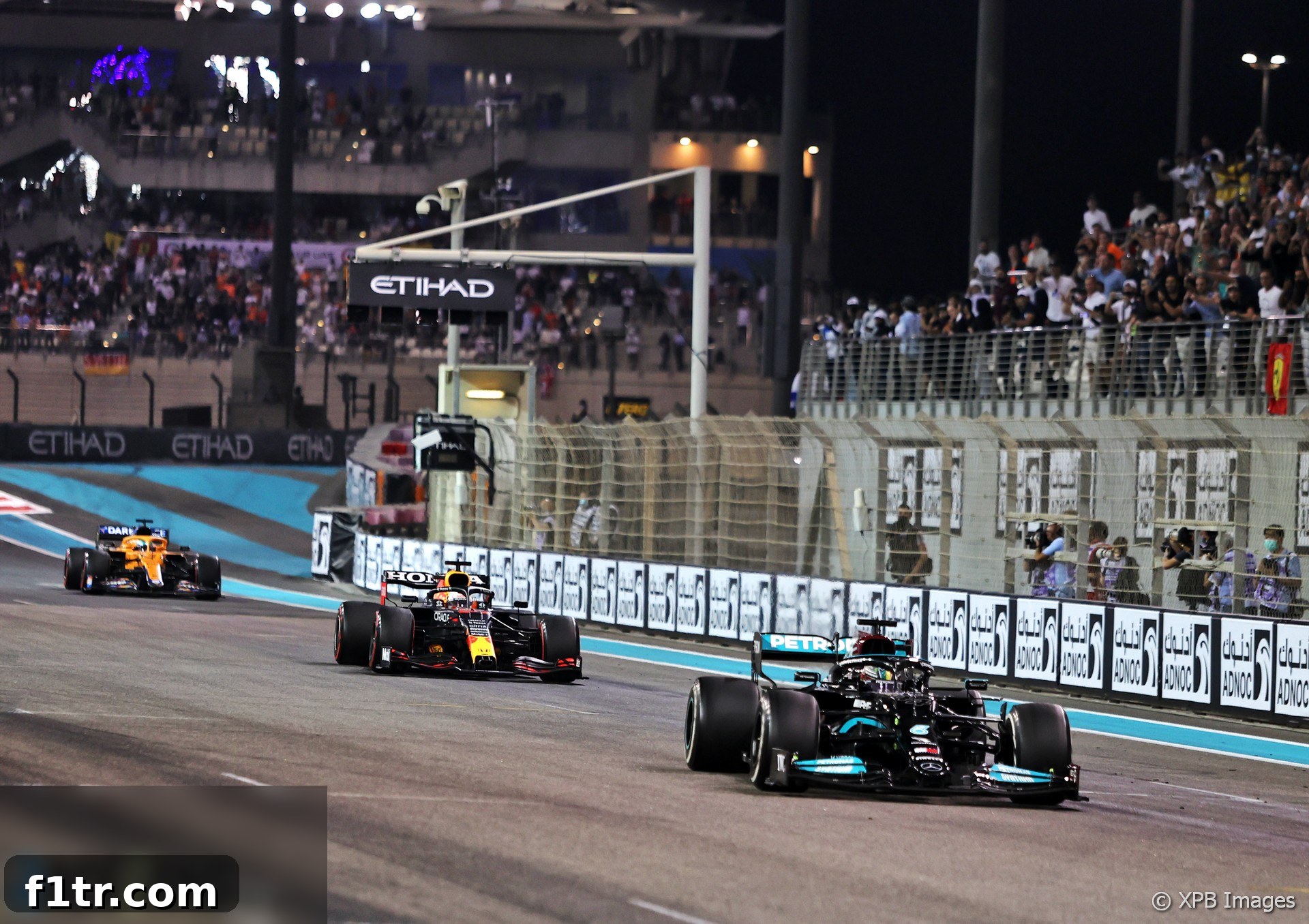
Elkann’s concerns extend beyond the recent Las Vegas incident, drawing parallels with other high-profile disputes that have tested the sport’s regulatory framework. He explicitly referenced the dramatic conclusion to the 2021 Formula 1 championship in Abu Dhabi, an event that remains a raw point for many in the sport. The title decider saw Max Verstappen clinch the championship in highly controversial circumstances after then-race director Michael Masi incorrectly applied the safety car rules during the final laps. Masi’s decisions, which effectively set up a single-lap shootout for the title, were widely criticized for their inconsistency and for undermining the fairness of the competition.
The fallout from Abu Dhabi was significant, leading to a comprehensive overhaul of the FIA’s race control division. Michael Masi was removed from his position, and the FIA implemented several reforms designed to prevent a recurrence of such errors. These changes included the establishment of a Remote Operations Centre (ROC) to support race control with real-time data and analysis, a restructuring of personnel roles, and the appointment of new, experienced staff to strengthen the decision-making process. Despite these efforts, the memory of 2021 underscores the profound impact that perceived regulatory missteps can have on the credibility and perception of the sport.
Another significant controversy mentioned by Elkann pertains to the introduction and enforcement of F1’s budget cap. Implemented in 2021 to promote financial sustainability and level the playing field, the budget cap quickly became a source of contention. Red Bull Racing became the first, and so far only, team to be penalized for exceeding the budget cap in its inaugural year. Their breach, while classified as “minor,” led to a penalty that many, including Ferrari team principal Frederic Vasseur, considered too lenient. The penalty included a fine and a reduction in aerodynamic testing allowance, but critics argued it did not adequately reflect the competitive advantage gained from overspending.
The budget cap saga further complicated the regulatory landscape. Beyond Red Bull’s overspend, two other teams were penalized for procedural infringements of the financial regulations, not directly related to exceeding the spending limit but rather to how their finances were reported and managed. These instances highlighted the immense complexity of auditing and enforcing such intricate financial rules across multiple teams operating globally. In response, the regulations were subsequently revised to better account for development work conducted by teams’ non-F1 divisions, illustrating the ongoing challenge of refining rules in a dynamic and highly competitive environment.
The Demand for Systemic Clarity
John Elkann’s statements to the BBC succinctly capture the essence of these frustrations: “You don’t want things to happen like the 2021 championship, how that ended up. You don’t want to have situations like the ones here in Vegas, where you get penalised 10 places. So from the regulatory standpoint in terms of rules and applications and what we have seen with the budget caps, those are areas where you’d like to have more clarity.”
His message is a clear call for a more robust and unambiguous regulatory framework that leaves less room for interpretation and controversy. Clarity in rules is not just about avoiding penalties; it’s about fostering an environment of trust, predictability, and genuine sporting competition. When rules are consistently and transparently applied, teams can better understand the boundaries of competition, plan their strategies effectively, and invest their resources with greater certainty. For fans, it ensures that the outcomes of races and championships are perceived as fair and earned, rather than influenced by arbitrary decisions or obscure interpretations.
The continuous evolution of Formula 1, both technically and financially, necessitates an equally adaptable yet unwavering regulatory body. The sport’s high stakes, cutting-edge technology, and passionate global fanbase demand nothing less than the highest standards of governance. Ambiguity in rules can lead to discontent, undermine investment, and ultimately erode public confidence in the sport’s integrity. Elkann’s intervention serves as a powerful reminder that while innovation and spectacle drive Formula 1 forward, a solid foundation of clear, equitable rules is indispensable for its long-term health and success.
Looking Ahead: The 2026 Regulations and F1’s Future
The demand for clarity becomes even more critical as Formula 1 looks towards significant changes on the horizon. The sport plans to introduce sweeping new technical regulations in 2026, which will include a complete overhaul of its hybrid power units and the mandated introduction of 100% sustainable fuels. These changes represent a monumental engineering challenge for all teams and manufacturers involved, aiming to push the boundaries of technology while aligning with global sustainability goals.
As Elkann highlights, within this context of rapid technological evolution and the increasing importance of carbon neutrality, the clarity of rules and their application is paramount. “There are a lot of changes in how the evolution of technologies happen, the importance of being carbon-neutral,” he noted. “Within that, being able to define clarity on rules and applications is important.” Well-defined technical regulations are essential to prevent loopholes, ensure competitive parity, and allow teams to innovate responsibly without fear of misinterpretation or retrospective penalties. Moreover, clear rules are vital for attracting new manufacturers and investors to the sport, as they provide a stable and predictable framework for long-term commitment.
The transition to sustainable fuels and more efficient power units is a cornerstone of Formula 1’s commitment to environmental responsibility. However, the success of this transition hinges on precise and unambiguous regulations that guide development, testing, and implementation. Any uncertainty in these crucial areas could jeopardize the sport’s ambitious sustainability targets and its reputation as a leader in automotive innovation.
Conclusion: A Call for Consistency and Trust
John Elkann’s call for greater clarity in Formula 1’s rules is more than just a complaint about specific incidents; it is a fundamental plea for consistency, fairness, and the long-term integrity of the sport. From grid penalties for unforeseen circumstances to the intricacies of financial regulations and the high drama of championship deciders, the recent past has shown that ambiguities in the rulebook can lead to significant repercussions.
As Formula 1 embraces a future defined by technological advancement, sustainability, and global expansion, the need for a regulatory framework that is transparent, consistently applied, and universally understood has never been more pressing. By addressing these concerns, the FIA can reinforce trust among teams, drivers, and fans alike, ensuring that the spectacle of Formula 1 remains rooted in fair play and unambiguous sporting competition. Ultimately, the health and future prosperity of this premier motorsport depend on the unwavering clarity and consistent application of its rules, safeguarding its status as the pinnacle of global racing.