As the Formula 1 season draws to a close, the focus inevitably shifts to the challenges and innovations awaiting teams in the following year. For the 2020 F1 season, a significant talking point revolved around Pirelli’s new tire compounds. The official tire supplier anticipated that the post-season test at Yas Marina would be instrumental in alleviating concerns raised by teams and drivers regarding its latest rubber. This critical evaluation period was designed to provide comprehensive data, allowing all stakeholders to assess the advancements made by Pirelli’s engineering teams.
However, Pirelli’s Head of F1 and Car Racing, Mario Isola, maintained a pragmatic stance, indicating the supplier’s readiness to revert to its 2019 compounds if the collective opinion of the teams remained unconvinced by the proposed changes for the upcoming season. This flexibility underscored Pirelli’s commitment to ensuring optimal racing conditions while also acknowledging the complex interplay between tire performance, car design, and driver feedback.
Initial Impressions and the Environmental Variable: The COTA Experience
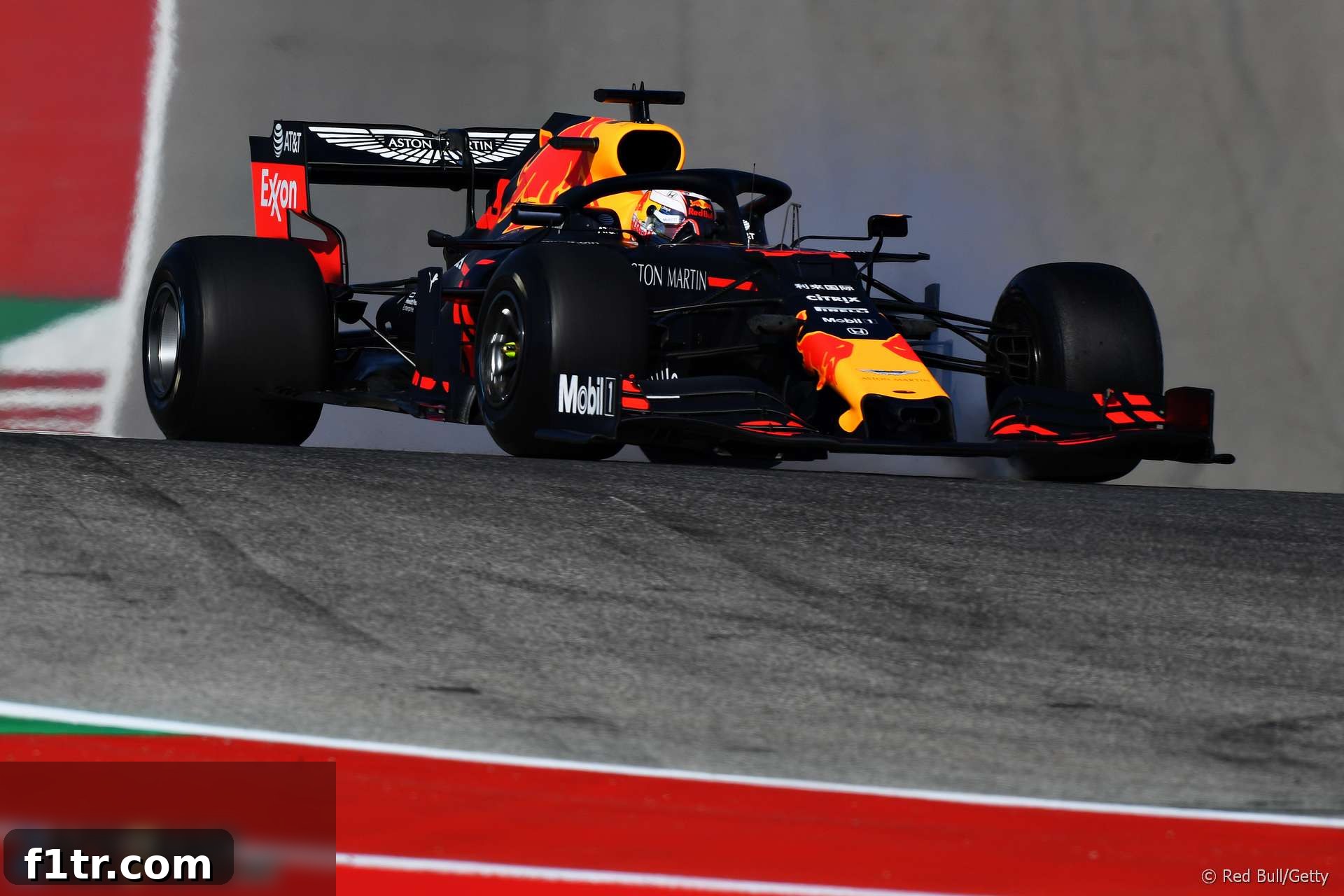
The first opportunity for drivers to sample the new 2020 compounds came during the initial practice session for the United States Grand Prix. Several prominent figures in the paddock expressed their disappointment, reporting a lack of grip and inconsistent performance from the new rubber. These early critiques naturally sparked discussions about the suitability of the tires for the highly demanding world of Formula 1. However, Pirelli was quick to offer context, attributing much of the perceived underperformance to the unusually cold conditions experienced at the Circuit of the Americas. Tire performance is highly sensitive to temperature, and cold tracks can significantly hinder the compounds from reaching their optimal operating window, thus masking their true potential and the intended improvements.
Understanding the impact of environmental factors is crucial in F1 tire development. Unlike controlled laboratory environments, race tracks present a multitude of variables, from track surface temperature and grip levels to ambient conditions and car setups. The COTA scenario highlighted the challenge of initial assessments, where a single factor like temperature could heavily skew perceptions of a new product. Pirelli’s stance was that a more controlled and extensive testing environment, such as the dedicated post-season session, would offer a far more accurate representation of the tires’ capabilities.
Engineering Evolution: The Rationale Behind Pirelli’s New Construction
Mario Isola provided crucial insights into the core philosophy driving the development of the new tire construction. He explained that the new design was fundamentally engineered to operate effectively at a different, ideally lower, pressure setting. The genesis of this concept lay in the relentless performance escalation witnessed in Formula 1 cars year after year. As cars become faster and generate more downforce, the stresses placed upon the tires increase exponentially. Traditionally, the primary method to counteract these rising forces and maintain tire integrity with the same construction has been to increase tire pressure.
However, higher tire pressures come with significant drawbacks. They can lead to a smaller contact patch, reducing mechanical grip, and often narrow the tire’s operating window, making them more susceptible to overheating and less forgiving for drivers. To circumvent the continuous upward spiral of tire pressures, Pirelli embarked on designing a tire with inherently higher integrity resistance. This innovative construction aimed to provide the necessary structural strength without relying solely on elevated internal pressure, thereby preserving the desired handling characteristics and performance envelope for the demanding 2020 season. This engineering feat involved advancements in material science and structural design within the tire carcass itself.
The Crucial Yas Marina Test: A Pivotal Moment for 2020 F1 Tires
The post-season test at Yas Marina was designated as the definitive proving ground for Pirelli’s 2020 tire range. Pirelli outlined a meticulous testing protocol designed to provide teams with ample opportunity to fully understand and optimize their car’s setup around the new construction. Unlike a regular practice session, this dedicated test allowed teams to focus solely on tire evaluation, free from the pressures of a race weekend. Teams would have the time and resources to fine-tune their aero packages and suspension settings to best suit the characteristics of the new tires.
Crucially, the test included provisions for comparing the 2019 and 2020 constructions, not just on outright pace but also under varying pressure settings. Isola emphasized the importance of conducting a “reliable and comparable” test, acknowledging that the new construction necessitates a different approach to car setup and pressure management. This comprehensive data gathering was intended to validate Pirelli’s developmental goals: reducing the need for excessively high pressures, mitigating overheating, and expanding the working range of the compounds. The outcomes of this test would inform the final decision on whether the new tires would be adopted for the following year, making it a truly pivotal moment for the sport.
Optimizing Performance: Pirelli’s Vision for 2020 Compounds
Pirelli’s overarching vision for the 2020 tires extended beyond just structural integrity. The aim was to deliver a product that significantly enhanced the racing spectacle and driver experience. The primary objectives were to enable lower operating pressures, effectively reduce tire overheating, and introduce new compounds with a much wider working range. Lower tire pressures directly translate to a larger and more consistent contact patch with the track surface, which generally improves mechanical grip and allows drivers to push harder for longer without the tire “giving up.”
Reduced overheating is another critical target. When F1 tires overheat, their performance drops dramatically, leading to what drivers often describe as “sliding” or “losing the rear.” This not only makes cars harder to drive but also limits strategic options and reduces close racing. A wider working range means the tires are less sensitive to variations in track temperature or driving style, providing more consistent performance across different conditions and allowing drivers to extract maximum potential over a broader spectrum. These combined improvements were engineered to make the tires more forgiving, promote more aggressive driving, and ultimately contribute to more exciting and competitive races throughout the 2020 F1 season.
Learning from the Past: The Success of 2019 Tire Development
Pirelli’s confidence in its development process was bolstered by the positive reception of its 2019 tire changes, despite initial skepticism from teams. Isola recounted how “when you have something new, it takes a bit of time to understand the tyre and to extract the maximum performance from the tyre.” This pattern is not uncommon in Formula 1, where any change, however minor, requires significant adaptation from both engineering teams and drivers. The 2019 construction, after initial resistance, proved to be a marked improvement, particularly in addressing one of the most persistent tire-related issues: blistering.
The previous season saw a significant reduction in blistering, bringing the problem “close to zero” in many instances. Furthermore, the 2019 compounds were well-spaced in terms of performance, typically offering a 0.7 to 0.9-second lap time difference between adjacent compounds. This strategic spacing, coupled with reasonable degradation rates, allowed teams to explore diverse strategies, utilizing all three available compounds in most races. The success of the 2019 product, in Isola’s view, demonstrated Pirelli’s capability to evolve its tires in a beneficial direction, providing a strong precedent for the intended improvements for 2020. This historical context served as a reminder that initial reservations do not always reflect the ultimate performance or value of an innovation.
The Democratic Process: Teams’ Role in Tire Homologation
Despite Pirelli’s optimism and rigorous development, the final decision on the 2020 tires ultimately rested with the teams. The regulations stipulated a clear democratic process: if a “clear majority” of teams – specifically, more than 70 percent – were of the opinion that the 2019 tires were demonstrably superior based on the technical evidence gathered at Yas Marina, Pirelli was prepared to respect that decision. Mario Isola explicitly stated, “If more than 70 percent of the teams are of the same opinion… we have no issues in keeping the 2019 tyre because it’s a good product. So there is no reason to be against this decision.”
This commitment highlighted Pirelli’s collaborative approach with F1 teams, recognizing that their feedback and collective assessment are paramount. However, Isola also underscored the importance of understanding the “why” behind such a decision. If the 2019 tires were preferred, Pirelli would undertake a thorough analysis to understand why a year of intensive testing and development had not yielded the desired results in the eyes of the majority of teams. This feedback loop is vital for future tire development cycles. Ultimately, the 2020 construction had already been homologated, meaning it was the default plan. The Abu Dhabi test served as a final, critical validation point, and if its positive results were confirmed, Pirelli would proceed with the new tires as intended.
Looking Ahead: Pirelli’s Commitment to F1 Performance and Safety
Pirelli’s journey with the 2020 F1 tires encapsulates the continuous challenge and innovation inherent in Formula 1. As the sole tire supplier, Pirelli bears the immense responsibility of developing products that not only push the boundaries of performance but also ensure driver safety and contribute to the spectacle of racing. The transition to a new tire construction and compounds is never straightforward, requiring a delicate balance between engineering aspirations, practical track performance, and the subjective feedback of elite drivers.
The careful consideration of initial driver feedback, the detailed planning for the Yas Marina test, and the openness to revert to proven 2019 specifications if necessary, all underscore Pirelli’s commitment to the sport. The goal remains consistent: to provide tires that facilitate close racing, allow drivers to extract maximum performance, and withstand the ever-increasing demands of modern F1 machinery. Whether the 2020 season saw the debut of the new construction or a continuation of the 2019 specification, Pirelli’s dedication to advancing tire technology for Formula 1 remained unwavering, always aiming to enhance the thrill and strategy of Grand Prix racing.
Further Reading on the 2020 F1 Season
- Grosjean to make F1 test return tomorrow for first time since Bahrain horror crash
- Pictures: Wrecked chassis from Grosjean’s Bahrain fireball crash to go on display
- Bottas vs Rosberg: Hamilton’s Mercedes team mates compared after 78 races each
- F1 revenues fell by $877 million in Covid-struck 2020 season
- Hamilton and Mercedes finally announce new deal for 2021 season
Browse all 2020 F1 season articles