The Evolving Face of Formula 1: A Deep Dive into Sprint Qualifying’s Impact and Future
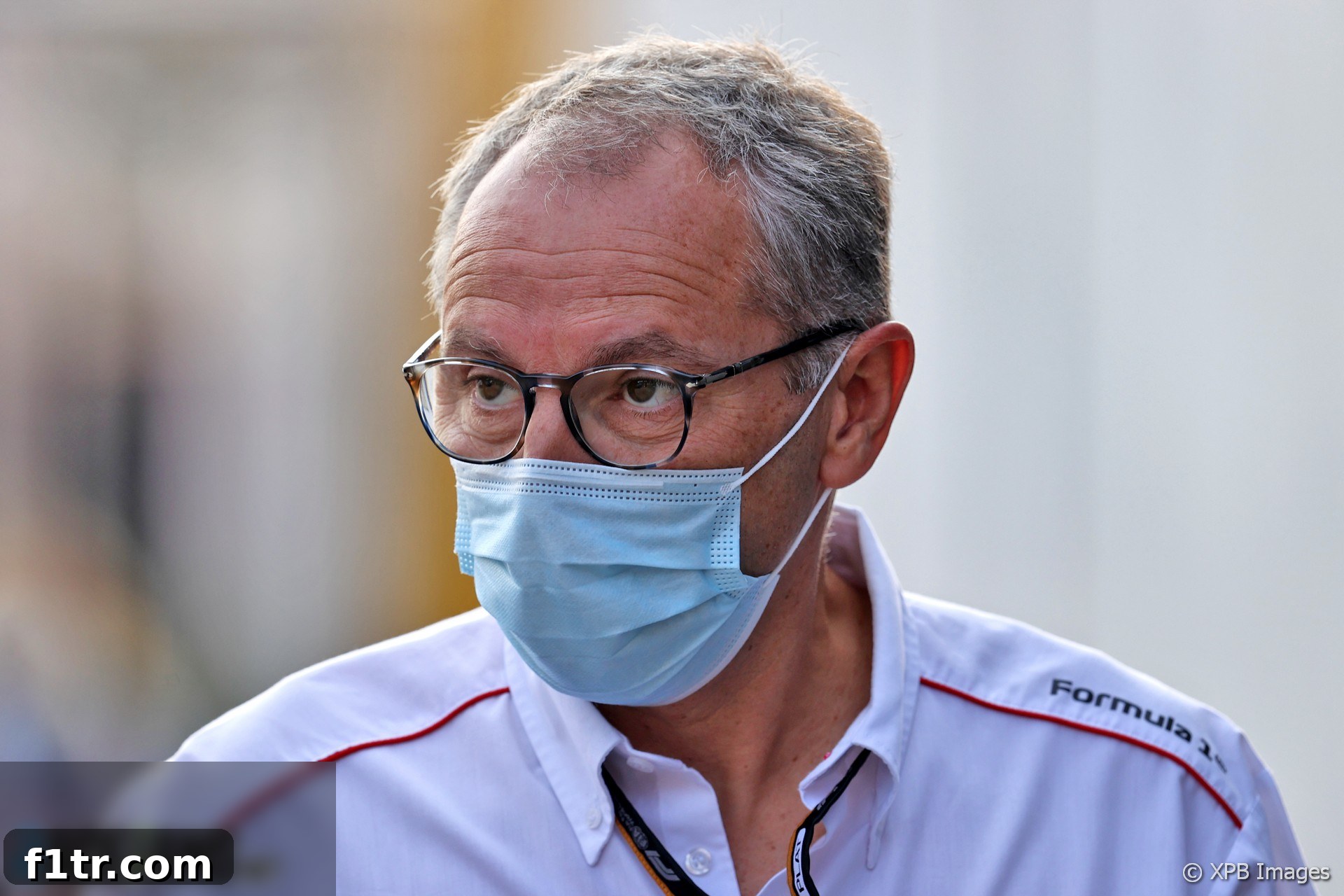
Formula 1’s venture into sprint qualifying has been one of the most significant shake-ups to the traditional Grand Prix weekend format in decades. Introduced as an experiment to inject more excitement and engagement across all three days, the concept has garnered both staunch support from the sport’s leadership and sharp criticism from drivers and fans alike. Despite a somewhat lukewarm reception for its second iteration at the iconic Autodromo Nazionale Monza, Formula 1 CEO Stefano Domenicali remains steadfastly pleased with the overall progression and the direction the series is taking.
The Saturday afternoon sprint qualifying race at Monza, often referred to as the ‘Temple of Speed’, was widely perceived as a largely processional affair. This lack of on-track action prompted considerable criticism from both the passionate fanbase and the very drivers competing. Notable among the critics was Red Bull Racing’s Sergio Perez, who candidly described the event as “boring.” Such remarks stand in contrast to Domenicali’s earlier sentiments, expressed just a month prior, where he characterized the feedback to the inaugural sprint qualifying event as “overwhelmingly positive.” This disparity highlights the complex challenge facing F1: innovating for entertainment while preserving the essence of pure racing.
The Genesis of Sprint Qualifying: An Experiment in Excitement
The introduction of sprint qualifying was not merely an arbitrary change; it was a deliberate strategic move aimed at revitalizing the Grand Prix weekend. Formula 1, under its new ownership, has been keen to explore formats that can enhance fan engagement, particularly for a younger, more digitally-savvy audience. The traditional weekend structure, with qualifying on Saturday defining the grid for Sunday’s main race, had been largely unchanged for decades. The sprint format sought to add a competitive element to Saturday, making it a standalone race that also determined the starting order for the Grand Prix, thereby creating a narrative arc across all three days.
The initial trial run was met with cautious optimism. Many appreciated the idea of having more meaningful track action, especially on a Saturday that previously only featured practice sessions and qualifying. The hope was that a shorter, high-intensity race would encourage aggressive driving and strategic gambles, leading to unpredictable grids and more thrilling Grand Prix Sundays. However, as the series progressed to Monza, some of the inherent challenges of this new format began to surface, dampening the initial enthusiasm for some.
Advert | Become a RaceFans Supporter & go ad-free
Monza’s Mixed Verdict: A Reality Check for the New Format
Monza, with its long straights and fast chicanes, is often a circuit where slipstreaming and outright power can lead to dramatic overtakes. Yet, the sprint race there proved to be a stern test for the new format. Drivers, starting on relatively fresh tyres and pushing flat-out for a short, 100-kilometer dash, found themselves locked into a ‘DRS train’. This phenomenon, where cars follow each other closely but cannot get close enough to make a decisive move, significantly limited genuine overtaking opportunities. The result was a race that lacked the dynamic drama many had hoped for, leading to the “boring” tag.
This stark assessment from drivers and fans alike underscored a critical point: while the intention behind sprint qualifying was sound, its execution needed refinement. The inherent characteristics of modern F1 cars, with their complex aerodynamics and reliance on clean air for optimal performance, make close-quarters racing challenging, especially without significant tyre degradation or differing strategies to create overtakes. The Monza sprint highlighted these limitations, forcing a re-evaluation of the format’s effectiveness in generating consistent excitement.
Leadership’s Stance: Optimism Amidst Scrutiny
Despite the criticisms leveled against the Monza sprint, Stefano Domenicali maintains a positive outlook. Speaking to Channel 4, the F1 CEO emphasized that the sport is on the right track. “As I always said, we are happy because things are progressing in the right direction,” Domenicali stated, signaling a strategic patience rather than a knee-jerk reaction. He highlighted the broader impact of the sprint race, arguing that it contributed significantly to a “lively Grand Prix” on Sunday.
Domenicali pointed to the unexpected grid dynamics as a direct benefit. “You may argue on the fact that the sprint was not so interesting. But at the end of the day, we had an incredible start, something happened, and you see that there is a McLaren on the front row,” he explained. This specific outcome, where Daniel Ricciardo started second after Valtteri Bottas’s grid penalty, undeniably added a fresh element to the main race, ultimately leading to McLaren’s sensational 1-2 finish. This perspective suggests that the sprint’s value might not solely lie in its standalone entertainment, but in its ability to ‘shake up’ the grid, thereby enhancing the main event’s unpredictability and strategic complexity.
The F1 leadership is committed to a thorough review process, reiterating that a comprehensive debrief will only take place after the third and final sprint event of the season at the Sao Paulo Grand Prix in November. “As we always said we’re going to do the debrief at the end of the third session, that’s going to be in Brazil, and see what type of things that we can bring on. But I think what we are doing is absolutely the right thing,” Domenicali affirmed. This methodical approach allows for data collection across different circuit types and conditions, providing a more robust basis for future decisions.
Advert | Become a RaceFans supporter andgo ad-free
The Commercial & Viewership Triumph: A Different Metric of Success
Beyond the immediate on-track spectacle, there’s a compelling commercial argument underpinning the sprint qualifying format. F1’s motorsport director, Ross Brawn, revealed a significant success metric: the Italian Grand Prix weekend “delivered the strongest ever weekend streaming numbers” on its proprietary streaming service, F1 TV. This data point is crucial, as it indicates a measurable increase in fan engagement and viewership across the entire weekend, not just the main event.
“We had three days of excitement and tension,” Brawn remarked, contrasting it with the traditional two days of peak action. This shift from a two-day to a three-day spectacle holds immense value for broadcasters, sponsors, and promoters. More meaningful track time translates to more content, more advertising opportunities, and a more comprehensive fan experience. Brawn firmly believes the entire event was improved, emphasizing how the sprint “effectively shook up the order for the grand prix.” This commercial success story provides a powerful counterpoint to the sporting criticisms, suggesting that the format might be achieving its broader strategic objectives, even if not perfectly executed from a pure racing standpoint.
Brawn also championed Formula 1’s willingness to innovate. “Formula 1 has been brave enough to carry out this experiment and give an opportunity to review this format. Let’s not forget, the format hasn’t changed in F1 for decades. I think it offers a lot – and we still have a track to try it on. Then we’ll make an objective assessment and work out a way forward.” This underlines a crucial aspect of modern F1: a proactive approach to evolving the sport, a stark departure from previous eras characterized by resistance to change. The underlying philosophy is to experiment, gather data, and then adapt, rather than clinging to outdated paradigms.
Drivers’ Dilemma: The Overtaking Challenge
While the F1 leadership sees value in the sprint format, the drivers, who are in the thick of the action, have raised valid concerns, primarily focusing on the difficulty of overtaking during Saturday’s shorter race. Mercedes driver George Russell articulated this sentiment clearly, stating, “My feeling is the sprint is too short.” He elaborated on the technical and strategic reasons behind this observation: “The cars are pretty much driving flat-out every single lap and it doesn’t offer enough opportunity between the cars to be able to overtake.”
Russell’s analysis touches on a fundamental aspect of modern Formula 1 racing: the critical role of the “tyre delta.” In a full-length Grand Prix, different tyre compounds, varying pit stop strategies, and the gradual degradation of tyres create performance differentials between cars. These differentials are often what enable spectacular overtakes. However, in a 100-kilometer sprint race, where tyre wear is minimal and all cars are typically on the same compound, this crucial “tyre delta” rarely materializes. “If everybody goes out there, Mercedes and Red Bull are within a few tenths, then McLaren and the next cars are within a few tenths and so on and so on. You only get that overtaking opportunity with the tyre delta and 100 kilometre race didn’t give you that opportunity,” Russell explained.
This feedback from the drivers is invaluable. It highlights that simply having a “race” on Saturday isn’t enough; it needs to be a *race* that encourages competition and genuine overtaking, rather than a high-speed procession. The challenge for F1’s strategists will be to find a balance between the commercial benefits of a three-day event and the sporting integrity that demands exciting, competitive racing throughout.
Advert | Become a RaceFans supporter andgo ad-free
The Road Ahead: What to Expect from Sao Paulo and Beyond
The upcoming Sao Paulo Grand Prix in Brazil will serve as the third and final testing ground for the sprint qualifying format in its current iteration. This event is critical, as it will provide F1 with its final set of data points before an objective assessment is made. Brazil’s Interlagos circuit, with its undulating nature, tight corners, and long straights, offers a different challenge compared to the flat-out speed of Monza or the multi-faceted layout of Silverstone, where the first sprint was held.
The insights gathered from Sao Paulo will be instrumental in determining the future of sprint qualifying. F1 officials will meticulously analyze not only viewership numbers and fan feedback but also the sporting implications – specifically, whether the format consistently enhances the overall Grand Prix weekend without compromising the quality of the racing itself. Potential adjustments could include changes to the race distance, points awarded, tyre rules for the sprint, or even the format’s implementation at specific tracks rather than across the board. The goal is to maximize entertainment while addressing the genuine concerns raised by the sport’s key protagonists: the drivers.
Conclusion: A Bold Experiment in Motion
Formula 1’s sprint qualifying experiment is a bold testament to its commitment to innovation and fan engagement. While the Monza iteration may not have delivered the thrilling spectacle many had hoped for, the underlying data and the leadership’s perspective suggest a broader success in extending the Grand Prix weekend’s appeal. The criticisms from drivers, particularly regarding the lack of overtaking opportunities due to race length and tyre strategy, are valid and must be addressed for the format to truly flourish.
As F1 gears up for its final sprint trial in Sao Paulo, the motorsport world watches keenly. The ability to adapt, learn, and refine will be key to the format’s long-term success. The balance between preserving the sport’s rich traditions and embracing innovative formats is delicate, yet crucial for Formula 1 to remain at the pinnacle of global motorsport entertainment. The journey of sprint qualifying is far from over; it is an evolving narrative in the quest for the ultimate race weekend experience.
2021 F1 season
- Masi’s Controversial Decisions and the 2021 Championship Aftermath
- Exploring the Future of Key F1 Race Venues and Deals
- Mercedes’ Unique Display: Reflecting on Triumph and Adversity in F1
- Revisiting Abu Dhabi 2021: Parallels from Other Motorsport Judgements
- Toto Wolff on the “Stolen” Title and Mercedes’ Underdog Spirit
Browse all 2021 F1 season articles