Formula 1 Strengthens Financial Resilience with Key Loan Revisions Amidst Global Pandemic
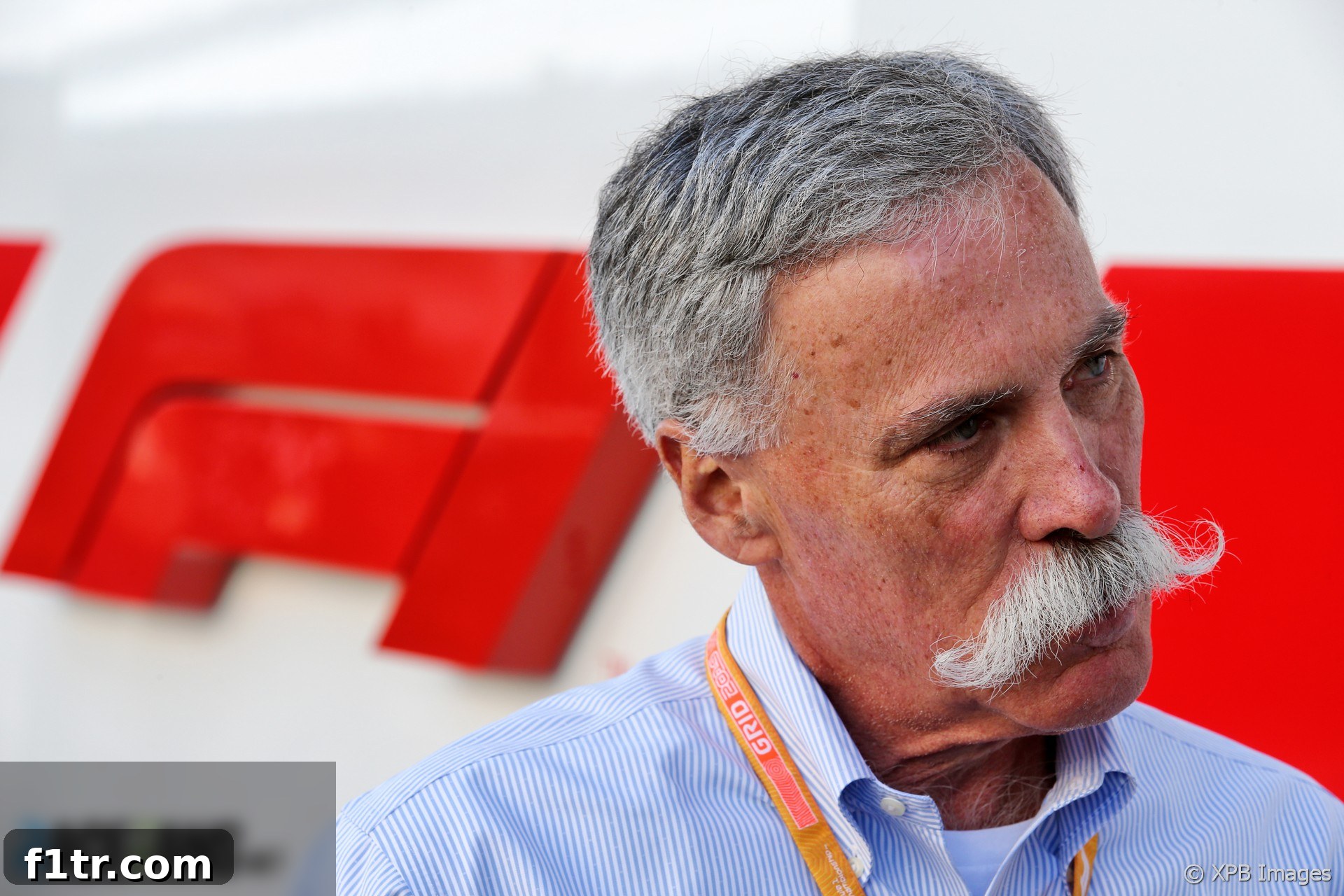
The pinnacle of motorsport, Formula 1, has successfully negotiated crucial revisions to its substantial loan agreements, a strategic move designed to bolster its financial resilience against the unprecedented economic disruptions caused by the global COVID-19 pandemic. Chase Carey, the Chairman and CEO of Formula 1, confirmed that these adjustments, pertaining to a significant £2.3 billion ($2.9 billion) loan, will grant the sport enhanced flexibility to navigate the profound financial trauma unleashed by the worldwide health crisis.
Navigating Unprecedented Financial Headwinds in Global Motorsport
The early months of 2020 presented an unforeseen and immense challenge to nearly every global industry, and elite sports like Formula 1 were no exception. With the rapid spread of COVID-19, international travel restrictions, and crucial public health mandates, the meticulously planned Formula 1 calendar faced immediate and severe disruption. The initial races of the 2020 season, eagerly anticipated by millions of fans and crucial for team operations, were either postponed indefinitely or outright cancelled. This sent shockwaves through the sport’s intricate financial ecosystem, impacting not just the race organizers but also broadcasting partners, sponsors, and the vast network of businesses that thrive around Grand Prix events.
Liberty Media, the commercial rights holder for Formula 1, provided an early glimpse into the pandemic’s financial toll last month. Their report on the first quarter of 2020 revealed a substantial revenue decline of $200 million, a direct consequence of the cancellation of two planned races within that period. This downturn was merely the tip of the iceberg, as projections for the second quarter painted an even starker picture. With an additional eight races originally slated for Q2 having to be called off due to the escalating health crisis, a significantly steeper fall in revenue was anticipated. Such a prolonged period of reduced income threatened the sport’s operational stability, its ability to support its ten teams, and its long-term sustainability, necessitating swift and decisive action from its leadership.
The financial impact on Formula 1 extends across multiple critical revenue streams that form the backbone of its business model. Race promotion fees, a cornerstone of the sport’s income derived from hosting Grand Prix events, vanished as races were halted. Broadcasting revenues, while largely secured through long-term contracts, faced potential renegotiations or reductions due to a lack of live content. Sponsorship deals, often tied directly to race visibility and audience engagement, came under intense pressure, leading to deferred payments or revised terms. Moreover, the lucrative hospitality sector, typically thriving at race weekends with corporate and VIP packages, ceased entirely. The ripple effect was enormous, impacting teams, suppliers, and the vast network of employees and contractors who depend on the Formula 1 circus for their livelihoods.
A Strategic Financial Maneuver: Securing Crucial Flexibility for Formula 1
In response to this rapidly evolving and challenging financial landscape, Formula 1’s ownership moved decisively to secure critical changes to its existing financial agreements. Specifically, revisions were made to the financial covenant associated with a monumental $2.9 billion loan, in addition to a £406 million ($500 million) credit facility. These financial instruments are held by Delta Topco Limited, the subsidiary overseeing Formula 1’s commercial interests. This strategic financial maneuver underscores Liberty Media’s unwavering commitment to safeguarding the future of the premier global motorsport and ensuring its capacity to rebound stronger.
For a broader audience, a financial covenant refers to a set of conditions within a loan agreement that borrowers must continuously meet to remain in compliance with their lenders. These covenants are typically designed to protect lenders by ensuring the borrower maintains a certain level of financial health, such as specific debt-to-equity ratios or minimum earnings. In this instance, the amendment provides that, “subject to compliance by Formula 1 with certain additional conditions, the net leverage financial covenant shall not apply until 1 January 2022,” as detailed in an official statement from Liberty Media. This modification is highly significant. By temporarily waiving the net leverage covenant, which typically measures a company’s total debt against its earnings before interest, taxes, depreciation, and amortization (EBITDA), Formula 1 gains crucial breathing room. It frees the organization from the immediate pressure of meeting stringent debt-to-income ratios during a period of severely depressed revenues, allowing it to focus on operational recovery and strategic planning without the added burden of potential covenant breaches or defaults.
Chase Carey articulated the profound importance of these revisions with characteristic optimism and conviction. “Formula 1 remains the pinnacle of motorsport as it celebrates its 70th anniversary,” he affirmed, highlighting the sport’s enduring legacy, its technological prowess, and its unparalleled global appeal. Carey further emphasized that “this new flexibility in our debt covenants, along with a strong balance sheet and ample liquidity, will enable us to weather this difficult time.” His statement reflects a deep-seated confidence in F1’s underlying financial strength and its inherent capacity to withstand the current economic storm. By strategically managing its debt and leveraging its existing assets, Formula 1 is positioning itself for a robust return and sustained growth, proving its adaptability in the face of adversity.
The Return to the Track: A New Chapter of Resilience and Purpose Begins
With the financial framework solidified and a clearer path ahead, attention eagerly turned to the most anticipated development: the resumption of racing. The announcement of the 2020 Formula 1 season kicking off in Austria was met with widespread relief and excitement across the motorsport community and among its passionate fanbase. The Austrian Grand Prix, scheduled for July 3-5 at the Red Bull Ring, marked a pivotal moment, symbolizing not just the return of competition but also the broader spirit of resilience and adaptability in the face of global challenges. This opening event was set to initiate an ambitious sequence of eight races packed into just ten weeks, an unprecedented and challenging schedule designed to deliver a compelling championship despite the condensed timeline and ongoing pandemic.
The logistics of resuming a global sport during a pandemic were immense and required unprecedented levels of planning and collaboration. Formula 1, in conjunction with the FIA (Fédération Internationale de l’Automobile) and local governmental authorities, developed stringent health and safety protocols. These included creating bio-secure ‘bubbles’ at circuit venues, extensive COVID-19 testing regimes for all personnel within the paddock, severe limitations on external access, and strict social distancing measures throughout the race weekends. The commitment to safeguarding the health and well-being of drivers, teams, and essential staff was paramount, ensuring that the return to racing was conducted as responsibly and safely as possible. Further races were expected to be announced in the near future, indicating Formula 1’s unwavering determination to deliver as full a season as possible under the prevailing circumstances, potentially including innovative calendar solutions like double-headers at specific venues to maximize efficiency and minimize travel risks.
Beyond the immediate excitement of competition and the roar of the engines, the return to racing also carried a deeper, more profound significance. Chase Carey eloquently underscored this sentiment, adding, “We return to the track with added purpose and determination with our new ‘#WeRaceAsOne’ initiative.” This powerful initiative was launched to address two crucial global issues that dominated public discourse: the ongoing fight against COVID-19 and the urgent condemnation of racism and inequality worldwide. Through ‘We Race As One’, Formula 1 aimed to use its powerful global platform to unite individuals, acknowledge the heroism and sacrifices of frontline workers during the pandemic, and advocate for greater diversity, inclusion, and opportunity within motorsport and society at large. This commitment transformed the return to racing from a mere sporting event into a potent statement of social responsibility, collective human spirit, and a renewed dedication to positive change.
The Enduring Future of Formula 1: Resilience, Innovation, and Evolution
The unprecedented challenges presented by the 2020 season undoubtedly shaped the trajectory of Formula 1 for years to come. The crisis accelerated crucial discussions around cost caps and financial regulations, reinforcing the necessity for greater fiscal prudence and competitive balance among teams. While the immediate focus was on navigating the pandemic’s fallout and ensuring the survival of all ten teams, the long-term vision involved building a more sustainable, equitable, and environmentally conscious sport, ensuring its continued appeal and global accessibility for generations to come. This period of adversity served as a catalyst for innovation, pushing the sport to rethink its operational models and embrace new ways of engaging with its global fanbase, even without packed grandstands.
Formula 1’s remarkable ability to adapt, innovate, and secure its financial foundations amidst such a turbulent period stands as a powerful testament to its enduring strength and the dedication of its leadership and stakeholders. The strategic loan revisions were not just about mitigating immediate financial losses; they were about preserving the sport’s integrity, protecting thousands of jobs across the industry, and ensuring that the unparalleled spectacle of Grand Prix racing could continue for its global fanbase, which relies on F1 for entertainment and inspiration. As the cars roared back to life on the track in Austria, they did so against a backdrop of careful planning, robust financial management, and a renewed sense of purpose, reminding everyone why Formula 1 remains a captivating blend of engineering prowess, athletic skill, and unwavering determination.
Stay Connected with Formula 1 Updates
Never miss a moment from the thrilling world of Formula 1. Follow the latest news and insights through our channels:
- Join Formula 1 Discussions on Facebook
- Follow Formula 1 News on Twitter
- Get Daily Formula 1 Email Updates
Explore More from the 2020 F1 Season
Dive deeper into the memorable moments and key stories from a historic year in Formula 1 with these related articles:
- Grosjean to make F1 test return tomorrow for first time since Bahrain horror crash
- Pictures: Wrecked chassis from Grosjean’s Bahrain fireball crash to go on display
- Bottas vs Rosberg: Hamilton’s Mercedes team mates compared after 78 races each
- F1 revenues fell by $877 million in Covid-struck 2020 season
- Hamilton and Mercedes finally announce new deal for 2021 season
Browse all 2020 F1 season articles