F1 Sprint Race: Drivers Divided Over Format Ahead of Emilia-Romagna Grand Prix
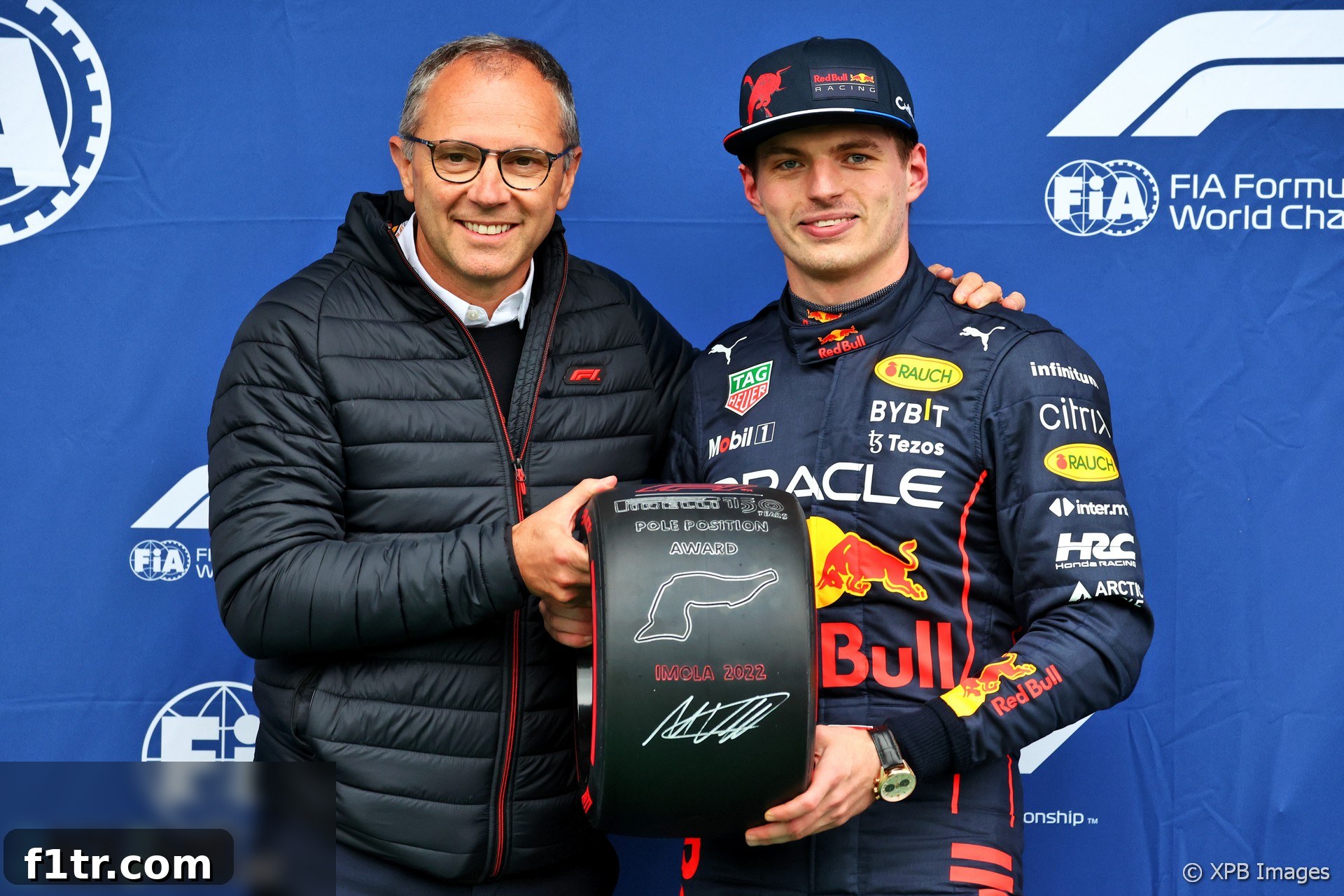
As the Formula 1 circus arrived at Imola for the Emilia-Romagna Grand Prix, anticipation was high for another thrilling race weekend. However, with the return of the controversial sprint race format, the paddock was alive with discussions and diverse opinions among the sport’s elite drivers. While Max Verstappen, the reigning world champion, secured pole position for Saturday’s sprint, his enthusiasm for the format itself remained notably tempered.
The Controversial Evolution of F1’s Sprint Format
Introduced in 2021 as an experimental addition to select race weekends, the Formula 1 sprint format aimed to inject more action and unpredictability into the traditional three-day schedule. After a trio of trials last season, F1 committed to three more sprint events this year, starting with Imola. The format tweaks included awarding points to the top eight finishers, up from the top three, and making qualifying on Friday determine the sprint grid, while the sprint race itself then sets the grid for Sunday’s main Grand Prix.
Despite these adjustments designed to enhance the spectacle and reward, the format continues to polarize opinions within the Formula 1 community. From seasoned champions to emerging talents, drivers have voiced strong, often conflicting, views on whether the sprint truly adds value or detracts from the essence of a Grand Prix weekend.
World Champion Max Verstappen’s Unwavering Stance
Max Verstappen, a driver known for his candidness and pure racing ethos, has consistently expressed his reservations about the sprint race format. “I’m not a fan of the sprint,” Verstappen admitted yesterday, reflecting a sentiment that resonates with many purists of the sport. He added pragmatically, “It is what it is. Some like it, some don’t,” acknowledging the divided fanbase but underscoring his personal disinterest.
For a driver of Verstappen’s caliber, who thrives on the challenge and strategic depth of a full-length Grand Prix, the sprint race often feels like an artificial construct. The reduced risk-taking in a shorter race, where preserving the car for Sunday’s main event is paramount, can diminish the aggressive wheel-to-wheel battles fans crave. Verstappen’s viewpoint often aligns with the idea that the traditional Grand Prix, with its extended practice, strategic qualifying, and gruelling race, is the true test of skill, endurance, and engineering.
Ferrari Duo’s Balanced Critique: Leclerc and Sainz Weigh In
The Ferrari garage, with its blend of youthful exuberance and tactical acumen, offered a more nuanced perspective on the sprint weekend. Both Charles Leclerc and Carlos Sainz Jnr found aspects to appreciate, particularly the revamped Friday schedule, while also highlighting significant areas for improvement, especially concerning the sprint race itself.
Charles Leclerc’s Praise for Fridays, But Concerns for Saturdays
Charles Leclerc, who has been a standout performer this season, expressed a fondness for the sprint weekend’s condensed Friday. “I quite like the Friday, to be honest, just because a normal Friday is normally pretty boring,” he stated. “We have FP1, FP2, FP3, lots of practice. Now, it’s straight to the point so I quite like this.”
Leclerc’s appreciation stems from the immediate high-stakes environment introduced by having only a single practice session before qualifying. This rapid transition demands quick adaptation from both drivers and engineers, forcing them to maximize limited track time and make crucial setup decisions under pressure. This intensity, he believes, is a welcome change from the often-sedate nature of a standard Grand Prix Friday.
However, his enthusiasm waned when discussing the sprint race itself. Leclerc believes the sprint event should not dictate the starting grid for Sunday’s main Grand Prix. “Then, for the Saturday I believe we could do something better,” he suggested. His proposal involves a “stand[alone] race that doesn’t affect Sunday’s race, to have a bit more action on the Saturday and people taking a bit more risk.” This modification, he argues, would liberate drivers from the fear of compromising their Sunday grid position, encouraging bolder overtakes and more aggressive racing, thereby maximizing the entertainment value of the sprint.
Carlos Sainz Jnr’s Support and Ongoing Discussions
Leclerc’s Ferrari teammate, Carlos Sainz Jnr, echoed these sentiments, expressing a shared critique of the sprint race’s current format. “I agree with Charles on the sprint idea,” he confirmed. Sainz also hinted at ongoing dialogue within the sport’s governing bodies, stating, “It’s something that we are discussing with FOM and FIA to maybe spice up a bit the sprint weekend.” This suggests that driver feedback is indeed being considered, and further refinements to the sprint format could be on the horizon, potentially incorporating some of Leclerc’s ideas to foster more aggressive racing without penalizing Sunday’s prospects.
Lando Norris and McLaren: The Technical Hurdles of Reduced Track Time
While some drivers, like Leclerc, appreciate the intensity of a condensed Friday, others, particularly those in teams still grappling with car development, view the reduced track time as a significant handicap. Lando Norris of McLaren articulated these concerns clearly, especially given his team’s struggles early in the season.
McLaren, like many teams in the new regulatory era of 2022, has been diligently trying to understand and optimize their new car. For such teams, every minute of track time in practice sessions is invaluable for gathering data, testing setups, and understanding the car’s behavior across different conditions. “We’re still figuring out a lot of things with the car, we want just as much running as possible to keep the learning going consistently,” Norris explained.
The single practice session on a sprint weekend severely limits a team’s ability to conduct comprehensive testing. “So when you have something like this, you can’t try as many things with the car, you don’t learn as much from FP1 in terms of you don’t have the time to do aero runs and all of this kind of stuff,” he elaborated. This directly impacts the pace of development and understanding, slowing down the process of extracting maximum performance from the car.
“So it definitely slows down the rate of development or understanding you can gain,” Norris concluded. He acknowledged that learning still occurs throughout the weekend – in practice, qualifying, and the races – but emphasized that it’s “maybe just not as much as what we would on a normal weekend.” For teams like McLaren, who are playing catch-up, this reduction in learning opportunities could have tangible consequences for their season trajectory.
A Broader Chorus of Scepticism and Calls for Refinement
Pierre Gasly is another voice among the sceptics of the sprint race format, highlighting that the divided opinions extend beyond just a few key individuals. The collective sentiment among many drivers suggests a clear desire for refinement. While the intention behind the sprint — to provide more entertainment and action — is generally understood, its execution and impact on the core Grand Prix weekend remain contentious. The current format, for many, presents a compromise that doesn’t quite hit the mark, leading to calls for a more distinct identity for the sprint event, separate from its influence on Sunday’s main show.
Balancing Entertainment with Sporting Integrity: The F1 Sprint Dilemma
The debate surrounding the F1 sprint race format encapsulates a broader dilemma facing Formula 1: how to balance the quest for enhanced entertainment and broader fan engagement with the sport’s deep-rooted traditions and sporting integrity. From F1’s perspective, sprint races offer more competitive sessions, potentially attracting new viewers and increasing viewership numbers on traditionally quieter Fridays and Saturdays. The added points for the top eight also incentivize drivers, theoretically, to push harder.
However, from a sporting integrity standpoint, critics argue that the sprint format dilutes the prestige of the Grand Prix. By having a shorter race determine the grid for the main event, it can sometimes feel like a secondary, less impactful contest, designed primarily for show rather than a genuine test of competitive driving and strategy. The risk aversion observed in many sprint races, where drivers prioritize finishing cleanly to avoid penalties for Sunday, often leads to less thrilling action than hoped for, creating a paradox where the format intended to increase excitement can sometimes inadvertently lead to caution.
The Future of F1 Sprint Races: What’s Next?
With drivers like Charles Leclerc and Carlos Sainz Jnr actively engaging in discussions with FOM (Formula One Management) and the FIA (Fédération Internationale de l’Automobile), it is evident that the sprint race format is still evolving. Ferrari’s backing for an increase to six sprint races in future seasons, as discussed at the F1 Commission, indicates a desire for more sprint weekends, but likely contingent on further improvements to the format. Potential changes could include a completely independent sprint race with its own points system and perhaps a reverse grid or other innovative elements to ensure maximum excitement without affecting the integrity of the Grand Prix grid.
Conclusion: An Ongoing Quest for the Perfect Format
The Formula 1 sprint race format remains a work in progress, embodying the sport’s ongoing quest to innovate while respecting its heritage. While it brings a welcome intensity to Fridays for some, it introduces significant challenges for others, particularly those focused on car development. Max Verstappen’s direct disapproval contrasts with Charles Leclerc’s nuanced appreciation and constructive criticism, while Lando Norris highlights the practical drawbacks for teams. As discussions continue and feedback from drivers and fans is absorbed, Formula 1 will undoubtedly seek to refine the sprint format further, aiming to strike the elusive balance between thrilling entertainment and the enduring sporting purity that defines Grand Prix racing. The Emilia-Romagna Grand Prix weekend, therefore, serves not just as another race, but as another crucial chapter in the evolution of F1’s boldest format experiment.
2022 Emilia-Romagna Grand Prix: Related Articles
- Aston Martin’s first points reward “immense” effort by factory after Melbourne crashes
- Verstappen becomes 14th driver in F1 history to score more than one ‘grand slam’
- Transcript: “I need more power” – Hamilton and Russell’s contrasting fortunes at Imola
- Ferrari backs increase to six sprint races as F1 Commission meets in London
- Ocon blames pit equipment after penalty for near-miss with Hamilton in pits
Browse all 2022 Emilia-Romagna Grand Prix articles