French Grand Prix Officially Cancelled Amidst Global Pandemic
Paul Ricard Event Joins Growing List of Races Scrapped from the 2020 F1 Calendar
The highly anticipated French Grand Prix, originally scheduled for June 28th, has been officially called off. This decision marks a significant turning point in the disrupted 2020 Formula 1 season, as the event at the iconic Paul Ricard Circuit was previously the only race on the revised calendar that had not yet faced cancellation or postponement. The ongoing global health crisis, specifically the COVID-19 pandemic, has proven to be an insurmountable challenge for race organizers and Formula 1 management alike, forcing difficult decisions that reshape the very landscape of the motorsport world.
Speculation surrounding the French Grand Prix’s fate intensified following the French government’s announcement to extend its ban on large public events until at least mid-July. This directive, designed to curb the spread of the novel coronavirus, effectively rendered the prospect of hosting a major international sporting event like Formula 1 impossible. The restrictions, which also included maintaining the closure of the Schengen area for an indefinite period, presented significant logistical hurdles, from team travel to ensuring public safety at the venue.
In a comprehensive statement released on Monday morning, the race promoter, GIP Grand Prix de France [at] Le Castellet, confirmed the unavoidable cancellation. The statement explicitly cited the declarations made by the French president, emphasizing that the ban on major events and the closure of the Schengen borders made it “impossible” to proceed with the Formula 1 Grand Prix de France on its scheduled date of June 28, 2020. This acknowledgment underscored the severity of the situation and the commitment of the French authorities to public health over sporting events, a sentiment echoed across many nations grappling with the pandemic.
Formula 1 had explored various alternative scenarios, including the possibility of holding a race behind closed doors at the Paul Ricard track. This option, which would have seen teams compete without spectators, was a testament to the sport’s determination to deliver a season amidst the crisis. However, the unique circumstances surrounding the French event, particularly the government’s stringent nationwide restrictions, ultimately made even this scaled-down approach unfeasible. The complexity of operating a Grand Prix, even without fans, involves a vast array of personnel, logistics, and infrastructure, all of which would have been compromised by the extended ban.
Eric Boullier, the Managing Director of the French Grand Prix, articulated the disappointment and the forward-looking approach of the organizers. “Given the evolution of the situation linked to the spread of the Covid-19 virus, the French Grand Prix takes note of the decisions announced by the French State making it impossible to maintain our event,” he stated. Boullier further indicated that the focus had already shifted towards future endeavors, signifying a pragmatic acceptance of the current reality. “The eyes of the GIP Grand Prix de France [at] Le Castellet are already turning towards the summer of 2021 in order to offer our spectators an even more unprecedented event at the heart of the Region Sud,” he added, promising an enhanced experience for fans in the next season.
The sentiment of understanding and support for the decision was reiterated by Formula 1 chairman and CEO, Chase Carey. “We have been in close contact with the French promoter during this evolving situation, and while it is disappointing for our fans and the F1 community that the French Grand Prix will not take place, we fully support the decision taken by the French authorities in France and look forward to being back at Paul Ricard soon,” Carey commented. His statement highlighted the collaborative effort between F1 management and local organizers, emphasizing the paramount importance of public health and safety above all else. This collective responsibility has been a consistent theme throughout the challenges of the 2020 F1 season, showcasing a united front in navigating unprecedented waters.
The Unprecedented Reshaping of the 2020 F1 Calendar
The cancellation of the French Grand Prix is not an isolated incident but rather another domino in a series of events that have drastically altered the 2020 Formula 1 calendar. What began as a highly anticipated 22-race season quickly devolved into a state of uncertainty as the COVID-19 pandemic swept across the globe. From the eleventh-hour cancellation of the Australian Grand Prix to the indefinite postponement of numerous iconic races, Formula 1 has faced an unparalleled challenge in its history.
The impact of these widespread cancellations extends far beyond the racing schedule itself. Teams are grappling with significant financial implications due to reduced revenues from race fees, sponsorship, and television rights. Logistical planning has become a nightmare, with race promoters and F1 officials working tirelessly to find suitable alternative dates and venues, often under rapidly changing circumstances. The integrity of the championship, driver preparations, and team operations have all been profoundly affected, demanding immense adaptability and resilience from everyone involved in the sport.
As Formula 1 endeavors to construct a viable, albeit condensed, calendar, the loss of events like the French Grand Prix underscores the gravity of the situation. Each cancellation represents lost revenue, disappointed fans, and a disruption to the rhythm of the F1 season. The sport’s leadership is committed to delivering a minimum number of races to constitute a world championship, with a strong emphasis on health and safety protocols for all participants. The upcoming races, particularly in Europe, are now under intense scrutiny, with organizers exploring “bio-secure” environments to allow competition to resume responsibly.
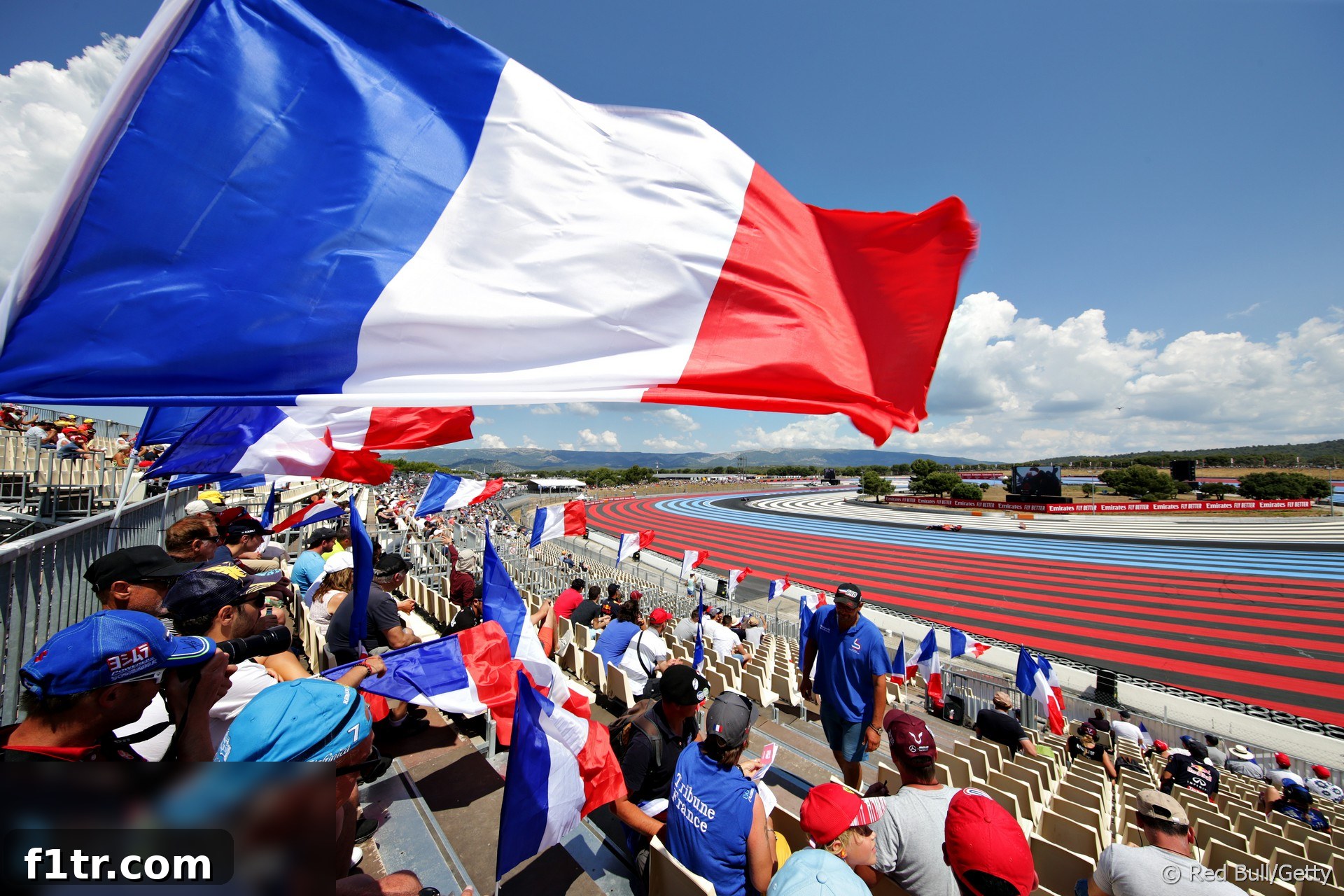
The French Grand Prix itself holds a storied place in Formula 1 history, having hosted numerous memorable races since its inception. The Paul Ricard Circuit, known for its distinctive blue and red run-off areas and challenging technical sections, returned to the calendar in 2018 after a decade-long absence. Its modern facilities and strategic location in the South of France made it a popular destination for teams and fans alike. The cancellation of the 2020 event is therefore not just a setback for the current season but also a temporary pause in the circuit’s renewed legacy within the sport. The hope remains that its vibrant return promised for 2021 will truly deliver an “unprecedented event,” making up for the lost opportunities of this challenging year.
The F1 community, while disappointed, remains hopeful for a robust return to racing when conditions permit. The current focus is on adapting to the new global reality and ensuring the long-term sustainability and excitement of Formula 1. The lessons learned from navigating the 2020 crisis will undoubtedly shape how future seasons are planned and executed, fostering a more resilient and adaptive approach to global sporting events.
How the 2020 F1 Calendar Has Changed
| Round | Event | Dates | Notes |
|---|---|---|---|
| Cancelled, will not be rescheduled | |||
| Postponed, seeking replacement date | |||
| Postponed, seeking replacement date | |||
| Postponed, seeking replacement date | |||
| Postponed, seeking replacement date | |||
| Postponed, seeking replacement date | |||
| Cancelled, will not be rescheduled | |||
| Postponed, seeking replacement date | |||
| Postponed, seeking replacement date | |||
| Cancelled, will not be rescheduled | |||
| 11 | Austrian Grand Prix | Jul 3-5 | |
| 12 | British Grand Prix | Jul 17-19 | |
| 13 | Hungarian Grand Prix | Jul 31-Aug 2 | |
| 14 | Belgian Grand Prix | Aug 28-30 | |
| 15 | Italian Grand Prix | Sep 4-6 | |
| 16 | Singapore Grand Prix | Sep 18-20 | |
| 17 | Russian Grand Prix | Sep 25-27 | |
| 18 | Japanese Grand Prix | Oct 9-11 | |
| 19 | United States Grand Prix | Oct 23-25 | |
| 20 | Mexican Grand Prix | Oct 30-Nov 1 | |
| 21 | Brazilian Grand Prix | Nov 13-15 | |
| 22 | Abu Dhabi Grand Prix | Nov 27-29 |
Advert | Become a RaceFans supporter andgo ad-free
Go ad-free for just £1 per month>> Find out more and sign up
More on the 2020 F1 season
- Grosjean to make F1 test return tomorrow for first time since Bahrain horror crash
- Pictures: Wrecked chassis from Grosjean’s Bahrain fireball crash to go on display
- Bottas vs Rosberg: Hamilton’s Mercedes team mates compared after 78 races each
- F1 revenues fell by $877 million in Covid-struck 2020 season
- Hamilton and Mercedes finally announce new deal for 2021 season
Browse all 2020 F1 season articles