Formula 1 Tyre Warmer Ban: Lewis Hamilton Leads Driver Opposition Over Safety Fears
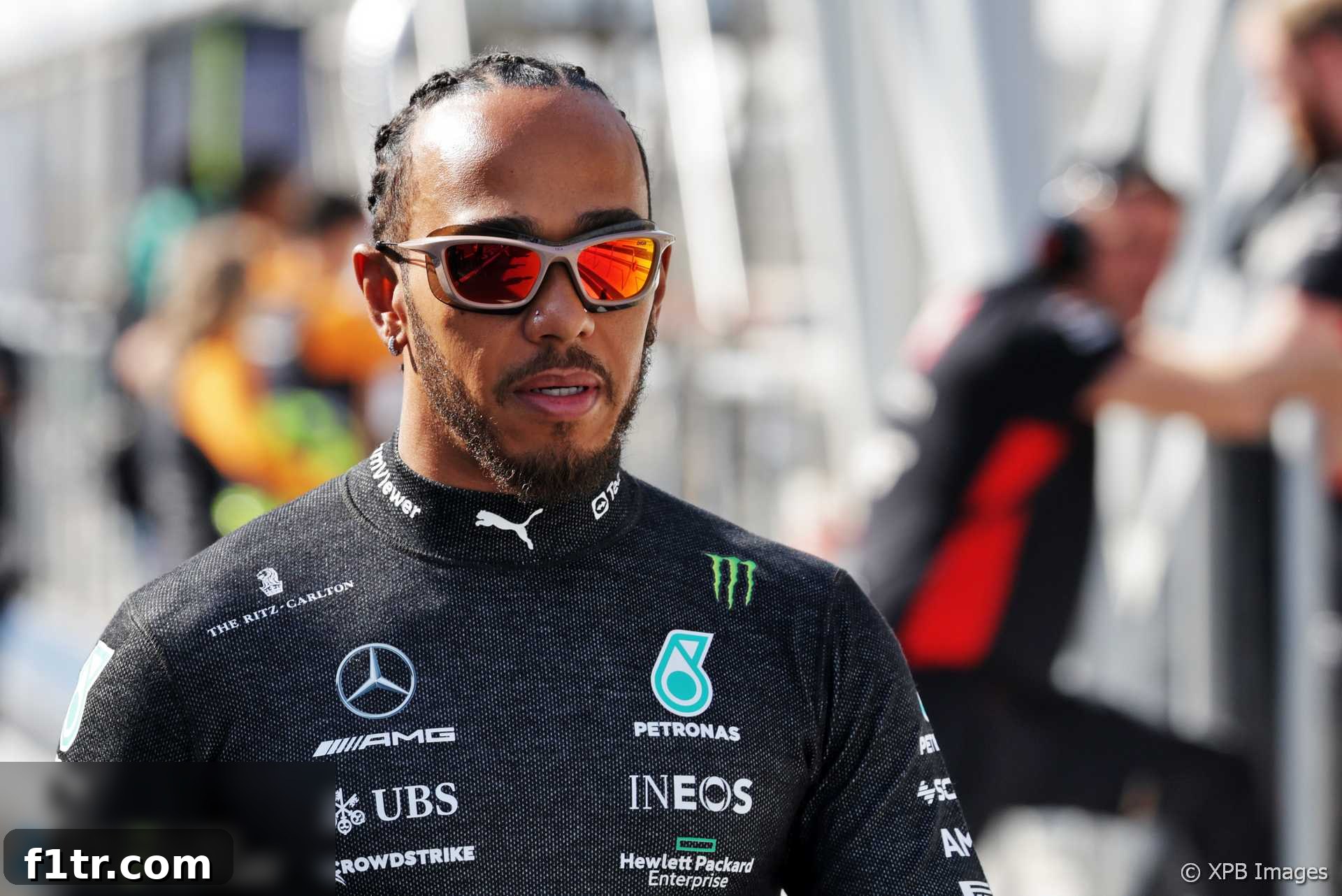
Formula 1 stands at a critical juncture regarding its future tyre regulations, with the proposed ban on tyre warmers – an integral part of Grand Prix weekends for decades – drawing fierce criticism from some of the sport’s most influential figures. At the forefront of this opposition is seven-time world champion Lewis Hamilton, who has unequivocally voiced his strong disapproval, citing grave safety concerns that he believes could lead to inevitable incidents on track.
The debate intensifies as F1’s official tyre supplier, Pirelli, prepares to introduce new wet weather tyres this season that are specifically designed not to require blankets. This move is a precursor to a broader proposal that will see teams vote later this year on a complete ban on tyre warmers for all tyre compounds. While the intention behind the ban is rooted in sustainability and cost reduction, the practical implications, particularly concerning driver safety and car performance, are raising alarm bells throughout the paddock.
The Core of the Debate: F1’s Push Towards Blanket-Free Tyres
The initiative to eliminate tyre warmers is part of Formula 1’s broader commitment to reducing its environmental footprint and improving operational efficiency. Tyre blankets consume substantial amounts of electricity, and their removal would logically cut down on energy usage in the pit lane. Furthermore, reducing the equipment required for race weekends could lead to cost savings and simplify logistics for teams, aligning with the sport’s financial sustainability goals.
Pirelli has been diligently working on developing a new generation of tyres capable of operating effectively without pre-heating. These prototype tyres have undergone extensive testing by various drivers, providing crucial feedback on their performance characteristics from cold. The hope is that these advancements will allow for a smooth transition to a blanket-free era without compromising the thrilling nature or, more importantly, the safety standards of Formula 1 racing.
Lewis Hamilton’s Unwavering Stance: A Collision Waiting to Happen?
Lewis Hamilton, a vocal advocate for environmental causes and a champion of sustainability within motorsport, might seem like a natural supporter of the ban. However, his firsthand experience testing the proposed blanket-free tyres has solidified his staunch opposition. Hamilton did not mince words when discussing his concerns with media at the Bahrain International Circuit. He expressed deep reservations, declaring the move to be inherently dangerous and predicting an inevitable crash if the ban proceeds.
“I’ve tested the ‘no-blankets’ and yeah, there’s going to be an incident at some stage,” Hamilton stated emphatically. “So in a safety factor, I think it’s the wrong decision.” This strong sentiment from one of the most experienced drivers on the grid cannot be understated. His concerns stem from the fundamental challenge of getting high-performance F1 tyres to their optimal operating temperature quickly without external heating. Cold tyres offer significantly less grip, making the cars incredibly difficult to handle, especially during out-laps from the pit lane or following safety car periods.
Hamilton also directly challenged the environmental justification for the ban. While he is a strong proponent of reducing F1’s carbon footprint, he believes this particular measure could be counterproductive. His argument is simple yet compelling: if tyres require multiple laps of aggressive driving to reach their working temperature, the cars will consume more fuel to achieve the desired performance. “The whole argument that taking away the blankets is going more sustainable, a bit more green, in actual fact we just use more fuel to get to temperature, the tyres,” he explained. This suggests that any perceived energy savings from eliminating tyre warmers could be negated, or even exceeded, by increased fuel consumption on track.
The Mercedes driver underscored that his primary and overwhelming concern remains safety. He vividly described the treacherous conditions encountered when exiting the pits on cold tyres. “The more concern, even just when you go out in the cars, you’re skating around, it’s very twitchy,” he elaborated. In a sport where fractions of a second and millimetres of precision determine outcomes, such unpredictable handling dramatically increases the risk of accidents. The potential for a driver on cold, uncooperative tyres to collide with another car already up to temperature presents a terrifying scenario that could have severe consequences not just for the drivers involved, but for the competitive integrity of the race.
Divergent Views from the Grid: Leclerc and Verstappen Offer Nuance
While Hamilton’s concerns are stark, other drivers who have tested the prototype tyres offer a more nuanced perspective, highlighting the complexities involved in such a fundamental change. Charles Leclerc, the Ferrari star, shared his thoughts on the new compounds, drawing a distinction between the wet weather tyres and the slicks.
“I did a test and probably they [full wets] are a good tyre without the blankets,” Leclerc commented. This suggests that Pirelli might have found a more effective solution for the extreme wet tyres, which are typically designed to operate at lower temperatures anyway. However, his assessment for other compounds was less optimistic: “The others, I didn’t test all of them. Obviously the intermediates were a bit more difficult so for now I don’t think we are exactly ready. For the slicks, too, I think there’s still a little bit of work, especially on the warm-up part of it in the first few laps, it’s still quite tricky. But I think the extreme are quite a good tyre without them actually.” Leclerc’s feedback points to a significant challenge for slick and intermediate tyres, where rapid warm-up is crucial for competitive performance and safety, especially in the opening laps of a stint.
Max Verstappen, who had not yet tested the new generation of tyres at the time of these comments, expressed caution about their race-day introduction without sufficient prior experience. “I have no clue what to expect, to be honest,” the reigning world champion admitted. “I haven’t tried the wet tyres so I hope they work without blankets. I don’t know at the moment.” Verstappen highlighted the critical need for comprehensive testing before any widespread implementation, particularly if new components are to be used in competitive scenarios for the first time.
“I think it’s better that maybe we can get to test them maybe in practice before actually throwing them into the race,” he suggested. “I hope it’s not going to rain for the race only.” His point underscores a significant logistical and safety concern: introducing untested, or minimally tested, tyre compounds directly into a live race scenario, especially under unpredictable wet conditions, could lead to unexpected challenges and potentially dangerous situations. Drivers need confidence in their equipment, and that confidence is built through rigorous testing and familiarisation.
Broader Ramifications: Beyond the Tyre Itself
The potential ban on tyre warmers extends beyond mere technical adjustments; it touches upon several fundamental aspects of Formula 1. Firstly, it places F1’s long-standing commitment to safety under intense scrutiny. The sport has made immense strides in driver safety over the decades, and any change that could be perceived as increasing risk, particularly one vehemently opposed by drivers, will naturally raise eyebrows.
Secondly, the competitive landscape could be significantly altered. Teams with cars that are inherently better at generating tyre temperature through aerodynamic and mechanical means might gain an unfair advantage. This could shift the balance of power, forcing teams to redesign components or strategies to mitigate the impact of cold tyres, adding another layer of complexity and cost in an era striving for financial parity.
Pirelli faces an immense engineering challenge. Developing tyres that offer optimal performance and safety from cold, across a wide range of ambient temperatures, track surfaces, and car characteristics, is an incredibly difficult task. The success of the blanket ban hinges entirely on Pirelli’s ability to deliver a product that meets these demanding requirements without compromise.
Finally, the impact on the racing spectacle itself cannot be ignored. If drivers are forced to spend multiple laps tentatively warming up their tyres, the opening stages of races or restarts could become less thrilling, potentially leading to more cautious driving and fewer overtaking opportunities until optimal temperatures are reached. This could detract from the high-octane excitement that fans expect from Formula 1.
The Road Ahead: A Critical Decision Looms
The upcoming vote by Formula 1 teams on the full tyre warmer ban will be a pivotal moment. Teams will need to weigh the potential environmental and cost benefits against the significant safety concerns raised by drivers, the technical challenges faced by Pirelli, and the potential impact on the sport’s competitive dynamics and entertainment value. It’s a complex balancing act, where the pursuit of sustainability must not come at the expense of driver welfare or the integrity of the racing.
The strong opposition from highly respected figures like Lewis Hamilton, supported by the nuanced concerns of other top drivers, serves as a powerful reminder that any significant regulatory change in Formula 1 must undergo thorough scrutiny and extensive validation. The drivers, who bear the ultimate risk on track, are making their voices heard, and their warnings regarding safety and the practicality of racing on cold tyres must be taken with the utmost seriousness.
2023 F1 Season Related Content
- FIA president cleared of alleged interference in two 2023 races
- First week viewing figures for new Drive to Survive season fall again
- Max who? Drive to Survive season six prefers its favourite faces
- RaceFans’ complete 2023 season review
- The F1 drivers who pulled off the 10 biggest charges through the field in 2023
Browse all 2023 F1 season articles