Pirelli Shifts Gears: 18-inch F1 Tyre Compound Development Intensifies for 2022 Season
The 2022 Formula 1 season marks a significant turning point in the sport’s technical landscape, with the introduction of larger, lower-profile 18-inch tyres being one of the most prominent changes. As the sole tyre supplier, Pirelli has been diligently working on this revolutionary product, and recent reports indicate a major milestone has been reached. The Italian manufacturer has largely finalized the structural construction of its new F1 tyres and is now directing its full attention to the intricate, yet critical, phase of compound development. This strategic shift underscores Pirelli’s commitment to delivering high-performance tyres that not only meet the rigorous demands of Formula 1 but also enhance the quality of racing.
This pivotal moment in the development cycle means that the focus has moved from establishing the fundamental architecture of the tyres to refining the chemical composition of the rubber itself. These compounds are the heart of tyre performance, influencing everything from grip levels and wear rates to thermal management and overall degradation characteristics. The ongoing testing sessions are therefore crucial, providing invaluable data that will shape the final specifications of the tyres used in the groundbreaking 2022 season.
Robert Kubica Leads Crucial Compound Testing in Barcelona
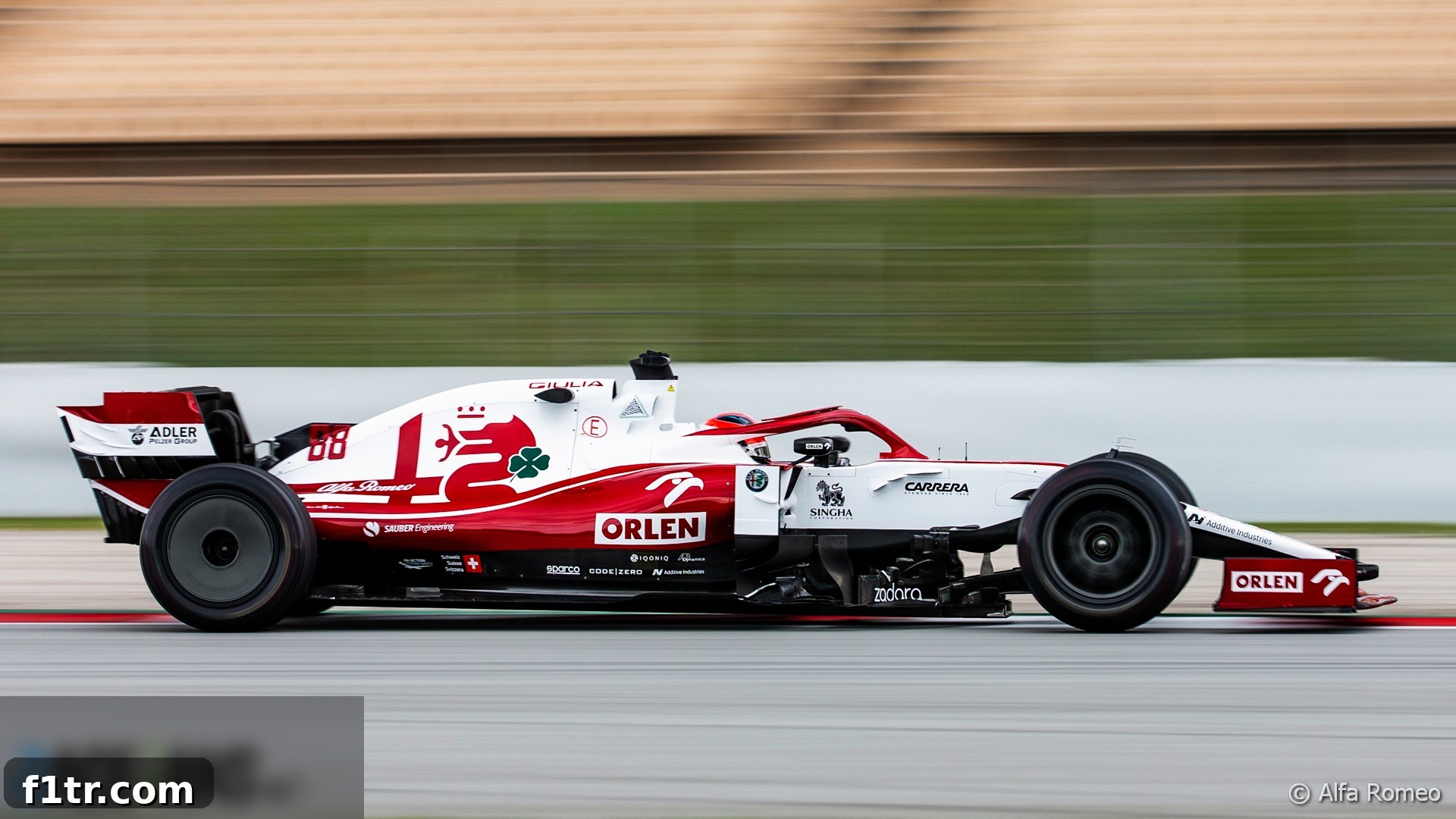
Veteran driver Robert Kubica has emerged as a key figure in Pirelli’s extensive testing program for the prototype 18-inch tyres. Having become the latest high-profile driver to experience these next-generation tyres, Kubica’s expertise and detailed feedback are instrumental in their refinement. He is piloting a specially adapted version of Alfa Romeo Racing’s 2019 C38 chassis, which has been meticulously modified to accurately simulate the projected downforce levels and dynamic characteristics of the 2022 F1 cars. This careful simulation allows Pirelli to collect relevant performance data in conditions closely mirroring those expected in the upcoming season.
Kubica’s testing in Barcelona represents a significant step forward in understanding how these new tyres will perform under real-world racing scenarios. The transition from the long-standing 13-inch wheels to 18-inch designs is more than just an aesthetic upgrade; it fundamentally alters tyre dynamics, impacting suspension design, aerodynamic flow, and driver feel. The insights gathered from experienced drivers like Kubica, who possess a deep understanding of tyre behavior, are vital for fine-tuning the compounds to achieve the desired balance of grip, durability, and raceability.
Construction Phase Complete: A Foundation for Success
Pirelli’s Head of Motorsport and Car Racing, Mario Isola, recently offered an optimistic update on the progress, confirming the near-completion of the tyre construction phase. Isola highlighted the consistent results observed across various test sessions and different vehicles. “The important elements that emerged from the test in Imola with the Mercedes was that all the constructions tested gave us a result that was coherent across different cars and across different circuits,” Isola explained. This coherence indicates a robust and adaptable tyre structure, capable of performing reliably under the diverse demands of Formula 1 machinery and track conditions.
The rigorous validation process spanned multiple circuits, including Jerez, Bahrain, and Imola, culminating in the current Barcelona tests. Having successfully proven the integrity and performance of the structural elements, Isola confirmed, “we are now in a situation where I would say that the construction is almost finalised.” This major achievement allows Pirelli to dedicate its resources and expertise to the complex world of tyre compounds. With the foundational construction solidified, the focus can now intensely shift to optimizing the rubber formulations that will define the tyres’ race-day performance.
The Art of Compound Development: Balancing Performance with Strategy
The core objective behind the “new family of compounds” being developed by Pirelli is to deliver a more user-friendly and race-enhancing product. Key targets include significantly reducing issues such as overheating and excessive degradation, problems that have sometimes limited drivers’ ability to push their cars to the limit for extended periods. The aim is to create tyres with a wider operating window, allowing drivers to engage in closer racing without the immediate penalty of performance drop-off due to thermal management.
However, Pirelli recognizes the delicate balance required. While improved durability is a goal, complete elimination of degradation would remove a crucial strategic element from Formula 1. As Mario Isola articulated, “we need to keep a bit of degradation because otherwise it’s useless to bring three different compounds.” The presence of varying degradation rates between the soft, medium, and hard compounds is fundamental to creating diverse race strategies, fostering overtaking opportunities, and keeping the racing spectacle unpredictable. The challenge for Pirelli is to find the sweet spot: tyres that allow for aggressive driving and genuine wheel-to-wheel battles, yet still degrade enough to necessitate strategic pit stops and careful management.
Pirelli’s engineers are leveraging sophisticated chemical processes and extensive testing data to achieve this delicate equilibrium. The feedback from drivers like Kubica is crucial in understanding the subjective feel and objective performance of these new compounds. Isola’s confidence in their current trajectory, stating, “But in terms of targets, I am confident that we are going in the right direction,” reflects the promising outcomes of their intensive research and development. The ultimate goal is to empower drivers and teams with tyres that open up more tactical possibilities and lead to more thrilling race finishes.
Broader Collaboration: Alpine and Red Bull Join the Extensive Testing Program
Pirelli’s commitment to developing universally effective 18-inch F1 tyres is evident in its collaborative testing program, which extends beyond a single team. This week, in addition to Alfa Romeo’s involvement, Alpine and Red Bull Racing, two other formidable constructors on the grid, are scheduled to participate in their own 18-inch tyre tests. This multi-team approach is vital for gathering a comprehensive dataset that accounts for the diverse aerodynamic philosophies, suspension kinematics, and overall car characteristics present within Formula 1.
Each team provides unique perspectives and data points, allowing Pirelli to validate its designs and compounds under a broad spectrum of conditions. Testing with different chassis helps ensure that the final 2022 tyres will perform optimally across the entire field, promoting fair competition and preventing any single team from gaining an unfair advantage purely due to tyre compatibility. This collective effort is instrumental in refining the tyres to be robust, versatile, and suitable for the varied challenges presented by different circuits and racing environments. The involvement of top teams like Red Bull and Alpine signifies the crucial stage of development and the high stakes involved in producing a tyre that will underpin the performance of all F1 cars in the highly anticipated 2022 season.
The Transformative Impact of 18-inch Tyres on F1 Dynamics
The shift to 18-inch wheels with a lower profile is more than just a visual update; it signifies a profound change in Formula 1’s technical foundation. These larger wheels inherently feature stiffer sidewalls compared to their 13-inch predecessors. This stiffness means that more forces will be transmitted directly through the suspension components, demanding innovative and robust suspension designs from the teams. Chassis engineers will need to rethink how their cars manage vertical loads and damping, potentially leading to significant changes in vehicle dynamics and setup philosophy.
Furthermore, the new tyre dimensions will influence aerodynamic airflow around the wheels, an area of critical importance in modern F1. The lower profile also brings F1 closer to road car technology, a long-standing objective for the sport. Ultimately, by reducing overheating and degradation while maintaining a strategic element, Pirelli aims to contribute directly to the F1 regulations’ overarching goal for 2022: to enable closer racing, increase overtaking opportunities, and enhance the overall spectacle for fans. These tyres are not just a component; they are a fundamental enabler of the new era of Formula 1, promising a more competitive and thrilling championship.
Pirelli 18-inch Tyre Test Gallery
Explore a visual journey through the intensive development of Pirelli’s 18-inch F1 tyres. This gallery captures moments from various testing sessions, featuring drivers and cars pushing the limits with the next-generation rubber, showcasing the commitment to innovation ahead of the 2022 season.
Related Articles: Exploring the 2022 F1 Season and Beyond
The 2022 Formula 1 season stands as a landmark year for technical innovation and a renewed commitment to exhilarating racing. Dive deeper into the discussions and developments surrounding this transformative period with these related articles that offer further insights into the season’s impact and evolving landscape:
- Mercedes told me “you’re wrong” about 2022 car’s problems – Hamilton
- FIA confirms all 10 F1 teams complied with 2022 cost cap
- Steiner “not ashamed” of panning “slow” Schumacher in Drive to Survive
- Albon believes year out of F1 improved him as a driver
- Hamilton sees diversity gains in F1 years on from his ‘traumatising’ experience of racism
Browse all 2022 F1 season articles