F1’s Financial Revolution: Navigating the Cost Cap and Learning from Football’s Fair Play
Formula 1 is on the cusp of a transformative era, with the introduction of its pioneering Financial Regulations slated for the 2021 F1 season. This comprehensive regulatory overhaul aims to usher in a new age of sustainability and competitive balance within the sport. Drawing significant inspiration from football’s well-known ‘Financial Fair Play’ (FFP) regulations, these new rules are meticulously designed to curb excessive spending by teams in their relentless pursuit of championship glory.
Advert | Become a Supporter & go ad-free
At its core, F1’s new financial framework introduces an annual spending cap, initially set at $175 million. While specific elements, such as driver salaries and top three team marketing costs, are notably excluded from this initial cap, the underlying philosophy bears striking resemblances to its football counterpart. The objective is clear: to foster a more level playing field, ensuring that success is primarily determined by innovation, talent, and strategic acumen, rather than the sheer magnitude of financial muscle.
The Rationale Behind F1’s Cost Cap: Towards a Sustainable Future
For years, Formula 1 has grappled with a stark financial disparity among its competing teams. As demonstrated by annual budget analyses, powerhouses like Ferrari and Mercedes have historically operated with virtually unlimited spending capacities, effectively investing whatever it takes to secure wins. Red Bull Racing typically follows closely in third. This triumvirate’s combined annual expenditure has often dwarfed the total budgets of the remaining seven teams on the grid, creating an immense challenge for smaller, independent outfits to compete effectively.
This significant imbalance not only makes it incredibly difficult for midfield teams to bridge the performance gap but also raises serious questions about the long-term sustainability and attractiveness of the sport. Without a mechanism to control runaway spending, the risk of teams falling by the wayside due to financial strain remains ever-present, potentially diminishing the grid and the spectacle of competition. The F1 Cost Cap, therefore, represents a critical intervention, aiming to:
- Enhance Competitive Balance: By limiting the resources available, the cap encourages ingenuity and efficiency, theoretically allowing smaller teams to compete more closely with the titans of the sport.
- Ensure Financial Sustainability: It mandates a more disciplined financial approach, protecting teams from overspending and potential bankruptcy, thereby securing their presence in the long term.
- Increase Fan Engagement: A more unpredictable championship, with a wider range of teams capable of challenging for podiums and wins, is inherently more exciting and engaging for viewers worldwide.
Drawing Parallels with Football’s Financial Fair Play: The Manchester City Precedent
The inspiration for F1’s Cost Cap, football’s Financial Fair Play regulations, was introduced by UEFA (Union of European Football Associations) to prevent clubs from spending more than they earn, thus ensuring long-term financial stability and preventing competitive distortion through unsustainable investments. The recent high-profile case involving reigning Premier League champions Manchester City serves as a potent reminder of the complexities and potential pitfalls associated with such financial regulations, offering invaluable lessons for Formula 1.
The Manchester City Case: A Warning Sign for F1
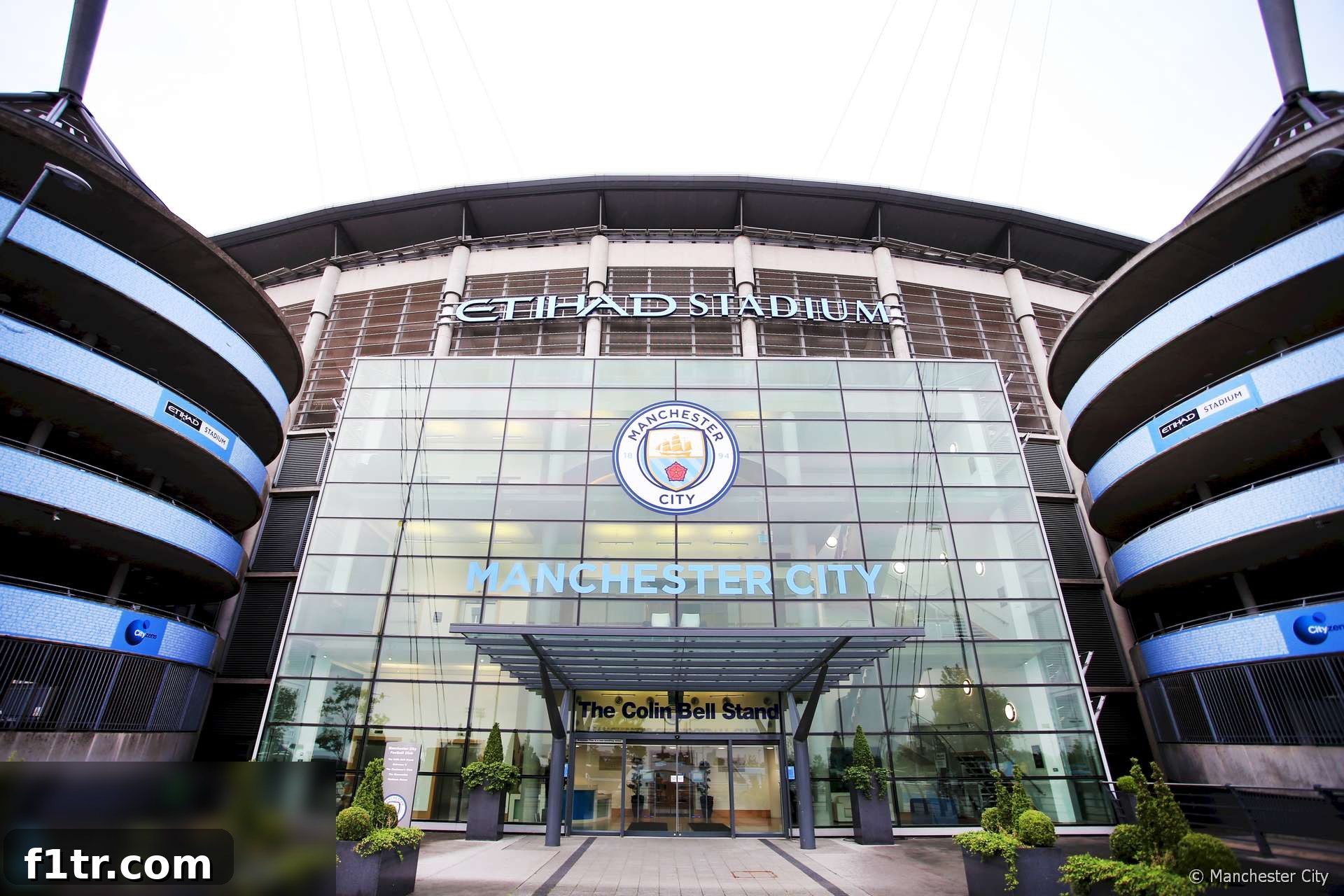
In a landmark decision, UEFA’s adjudication panel found Manchester City guilty of “serious breaches” of their Financial Fair Play regulations. The club, famously owned by the UAE’s ruling family and prominently sponsored by Etihad Airways, was found to have overstated sponsorship income and disguised shareholder contributions. This intricate financial maneuvering was designed to present a healthier financial picture than reality, effectively circumventing UEFA’s rules.
The verdict handed down was severe: Manchester City was banned from UEFA’s prestigious club competitions, including the highly lucrative Champions League, for two years and hit with a substantial fine of approximately $30 million. Unsurprisingly, the club swiftly announced its intention to appeal the verdict, vowing to take the case to the Lausanne-based Court of Arbitration for Sport (CAS), which stands as the ultimate arbiter for global sport disputes. City expressed profound disappointment but claimed to be “not surprised” by UEFA’s decision, suggesting that the governing body had acted as “accuser, prosecutor, judge, and jury” throughout the process, denying the club a fair trial. They asserted their belief in the “ultimate need to seek out an independent body and process to impartially consider the comprehensive body of irrefutable evidence in support of its position.”
The implications of the Manchester City case resonate deeply within the context of Formula 1. As F1 prepares to implement similar regulations, the parallels are stark and cannot be ignored. The potential for teams, especially those controlled by larger corporate entities or state-backed funds, to source goods or services from affiliated companies and then obscure their true market value presents a significant challenge to the integrity of the Cost Cap. The case underscores the critical importance of transparent financial reporting, robust auditing mechanisms, and, crucially, an independent and impartial adjudicatory process to prevent any perception of bias or unfair treatment.
Identifying Potential Loopholes and Challenges for F1
While no one suggests that any F1 team would wilfully breach these critical regulations in such a brazen manner, the inherent structure of the sport and its participants creates several potential avenues for circumvention. The temptation and opportunity for certain teams to exploit loopholes are undeniable. Several key areas require rigorous scrutiny:
- Affiliate Transactions and Disguised Value: Manufacturer-owned teams, or those with strong corporate backing, could procure components, research & development services, or even marketing support from affiliated companies at below-market rates. This practice could effectively subsidize their F1 operations, allowing them to gain a performance advantage without the true cost appearing within their declared budget cap. Determining the “fair market value” of such internal transactions will be a monumental auditing challenge.
- Shared Ownership and Cost Distribution: F1 currently features scenarios where two teams share the same owner. This arrangement could lead to the sharing of development costs, resources, or intellectual property. If not meticulously monitored, these shared expenditures could be understated or disproportionately allocated, granting an unfair advantage to one or both teams while ostensibly remaining within their individual caps.
- The “B-Team” Dilemma and Technology Transfer: The concept of “B-teams” or junior teams having strong technical alliances with larger, more established “supplier” teams is well-known in F1. The transfer of technology, components, or even personnel at significantly reduced costs (or even for free, under the guise of “technical support”) could allow the recipient team to acquire performance-enhancing elements without incurring the full budgetary impact, thereby undermining the spirit of the Cost Cap.
- Infrastructure and Capital Expenditure: While certain capital expenditures might be excluded or depreciated over time, the initial investment in cutting-edge facilities, wind tunnels, or simulation tools can provide a lasting competitive advantage. The regulations must clearly define what constitutes capital expenditure versus operational spending and how such long-term assets are accounted for within the cap’s philosophy.
The FIA, in close collaboration with commercial rights holder Liberty Media, has expressed confidence in their ability to “plug all potential loopholes.” However, the history of complex financial regulations in sport, as well as in broader corporate environments, suggests that creative interpretations and attempts to gain an edge are almost inevitable. Only time and the robustness of the enforcement mechanism will reveal the true effectiveness of these preventative measures.
Advert | Become a RaceFans supporter andgo ad-free
The FIA’s Enforcement Framework: A New Era of Accountability
Just as UEFA serves as European football’s governing body, the FIA (Fédération Internationale de l’Automobile) is the ultimate regulator of Formula 1. The Manchester City verdict inevitably begs the question: how would the FIA react in the event of a significant breach of the F1 Cost Cap? The stakes are incredibly high, as potential sanctions could effectively ruin a team, jeopardizing jobs, investments, and the very fabric of the sport.
Historical Context: McLaren’s ‘Spygate’ and its Aftermath
F1 has its own history of high-profile controversies and severe penalties. One particularly relevant case is the infamous ‘Spygate’ saga of 2007, where McLaren was found to be in possession of confidential Ferrari technical information. The FIA, under the then-presidency of Max Mosley, acted decisively, fining McLaren a colossal $100 million and excluding the team from that year’s constructors’ championship results. To many observers, this sanction was seen as grossly disproportionate, highlighting concerns about the transparency and fairness of the World Motorsport Council’s adjudication processes at the time.
The New FIA Cost Cap Adjudication Panel and International Court of Appeal
Recognizing the need for a more robust, independent, and transparent system, the FIA has significantly reformed its judicial processes for the 2021 Cost Cap regulations. For 2021, the FIA has devised a dedicated Cost Cap Adjudication Panel. This panel is structurally similar to UEFA’s equivalent, designed to meticulously review alleged breaches and propose appropriate sanctions. Crucially, the top judicial layer in F1’s system is the independent FIA International Court of Appeal (ICA).
The ICA operates with a rotating panel of international judges, appointed strictly in accordance with the FIA’s statutes. These statutes were comprehensively revamped under the leadership of President Jean Todt after he assumed office in 2009, specifically to enhance independence and impartiality. Consequently, the current judicial processes bear little resemblance to the procedures that prevailed during the contentious Spygate era.
Given the potentially severe implications of sanctions permitted under the new regulations – which could range from financial penalties to points deductions or even championship exclusion – it is absolutely imperative that any alleged breaches are dealt with fairly, swiftly, consistently, and without fear or favor. This commitment to impartiality is crucial to prevent any accusations that the Adjudication Panel itself acts as accuser, prosecutor, judge, jury, and appellate division, thereby safeguarding the integrity and credibility of the entire process. Ultimately, as in football, the Court of Arbitration for Sport (CAS) remains the final recourse for appeals, ensuring an independent layer of oversight beyond the FIA’s internal mechanisms.
Proactive Measures and the Future of F1 Financial Integrity
The architects of Formula 1’s financial future are not merely waiting for breaches to occur. During an exclusive interview in December, F1 Managing Director Ross Brawn articulated the sport’s proactive strategy, emphasizing the intention to monitor teams’ spending on an ongoing, continuous basis. This rigorous, real-time oversight is designed to minimize the possibility of having to resort to the “nuclear option” – the ultimate sanction of stripping a team or driver of a title, which could have catastrophic reputational and commercial consequences for all involved.
Furthermore, to iron out any unforeseen ambiguities or potential loopholes within the regulations, a voluntary dry-run of the Cost Cap will be instituted this year. This trial period will allow teams to familiarize themselves with the new reporting requirements, and for the FIA to refine its auditing and enforcement procedures in a live, albeit non-punitive, environment. This collaborative approach aims to foster understanding and compliance before the regulations come into full, binding effect.
The message to F1 teams is clear: full participation and cooperation are paramount. Rather than seeking ways to circumvent the rules and risk devastating sanctions, teams are strongly encouraged to respect both the letter and the spirit of “fair play” and operate strictly within the established framework. As the Manchester City case powerfully illustrates, the overall costs of any financial breaches – be they fines, sporting penalties, or reputational damage – could be absolutely devastating in a sport that desperately needs to retain all its current competitors to maintain its vibrancy and global appeal. The success of the F1 Cost Cap is not just about financial discipline; it’s about securing a healthier, more competitive, and ultimately more compelling future for Formula 1.
Advert | Become a RaceFans supporter andgo ad-free
2020 F1 season
- Grosjean to make F1 test return tomorrow for first time since Bahrain horror crash
- Pictures: Wrecked chassis from Grosjean’s Bahrain fireball crash to go on display
- Bottas vs Rosberg: Hamilton’s Mercedes team mates compared after 78 races each
- F1 revenues fell by $877 million in Covid-struck 2020 season
- Hamilton and Mercedes finally announce new deal for 2021 season
Browse all 2020 F1 season articles