Formula 1’s Strategic Overhaul: Driving Down Costs and Leveling the Playing Field for 2021
Formula 1 is on the cusp of a transformative era, driven by an urgent need for greater financial sustainability and a more level playing field across the grid. The sport’s leadership, including the F1 Strategy Group, has been engaged in critical discussions aimed at reshaping the financial and technical landscape from the 2021 season onwards. At the heart of these discussions are three interconnected pillars of reform: the introduction of specification parts, a refinement of power unit regulations, and the long-anticipated implementation of a budget cap.
These initiatives represent a bold vision to ensure the long-term health and appeal of Formula 1. By curbing escalating costs and fostering genuine competition, the sport aims to attract new entrants, retain existing teams, and deliver more thrilling, unpredictable racing for fans worldwide. The proposals reflect a careful balance between preserving F1’s DNA of cutting-edge innovation and creating an environment where financial might doesn’t automatically translate into on-track dominance.
Introducing Specification Parts: A Standardized Approach to Cost Control
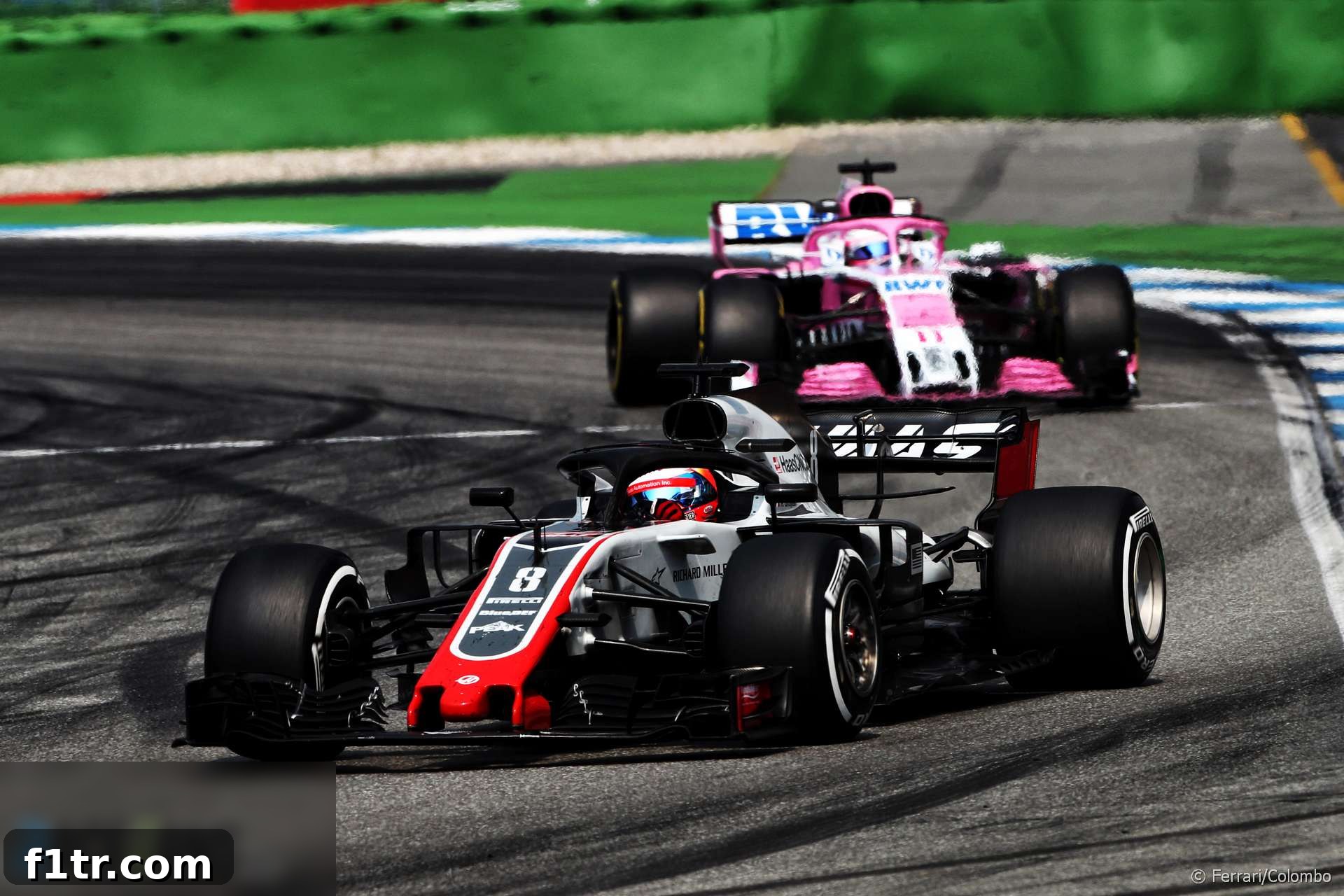
One of the key proposals under review by the F1 Strategy Group is the increased use of ‘specification parts’. This marks a significant evolution from the current system, which categorizes car components as either ‘listed’ or ‘non-listed’. Under the existing regulations, ‘listed’ parts are those that teams must design and manufacture themselves, forming the core of their unique intellectual property and competitive advantage. Conversely, ‘non-listed’ parts can be sourced from rival teams or external suppliers, a practice famously utilized by teams like Haas, which procures numerous components from Ferrari, or Racing Point (formerly Force India), which benefits from a strong technical partnership with Mercedes.
From 2021, a third category — ‘specification parts’ — is set to be introduced. These components will be manufactured to a precise, pre-defined design, essentially standardizing certain elements of the car. While the design will be fixed, teams will retain flexibility in how they acquire these parts: they can produce them in-house, source them from another competing team, or procure them from an approved third-party supplier. This approach aims to eliminate costly development races in areas that offer minimal performance differentiation or are largely invisible to the average fan.
The Philosophy Behind Standardization
Formula 1 Technical Director Pat Symonds has been a vocal proponent of this measure, articulating the sport’s desire to focus investment where it truly matters for performance and spectacle. Symonds emphasizes the importance of allowing teams to continue unhindered development in critical ‘performance differentiators’ such as power units, aerodynamics, and vehicle dynamics. These are the areas where engineering brilliance shines and directly impacts lap times and racing excitement. However, he also advocates for drastically reducing “wasteful expenditure in areas that fans don’t see.”
As Symonds eloquently explained, fans are unlikely to care whether a wheel nut is crafted from exotic titanium or a more mundane material. The current system often incentivizes teams to invest significant resources in optimizing even the smallest, most ancillary components, purely for the sake of a marginal gain. By standardizing items like wheel nuts, certain brake components, or even specified gearbox internals, F1 aims to channel precious engineering talent and financial resources into the high-impact areas that truly define the sport’s appeal. This move is designed to reduce the overall development burden and prevent an arms race in less critical domains, ultimately making Formula 1 more financially accessible and efficient.
Impact on Team Collaboration and Design Freedom
The introduction of specification parts could also significantly alter the landscape of technical collaboration between teams. Currently, partnerships like those between Haas and Ferrari, or Racing Point and Mercedes, allow smaller teams to acquire substantial portions of a rival’s car, including complete rear ends comprising gearbox, hydraulics, and suspension components. If crucial elements within these sub-assemblies, such as gear sets, become prescribed ‘specification parts’, while other interconnected parts like gearbox casings remain ‘listed’ components, it could create logistical and regulatory complexities.
Such a scenario might make it practically impossible for client teams to source complete, integrated rear ends from their technical partners. They might be forced to develop or procure a greater number of components independently, or at least re-engineer how different parts interface. While this could potentially increase design burden for some teams, the underlying intention is to promote greater self-sufficiency and reduce the perceived advantage that strong technical alliances with top teams can confer, thereby fostering a more truly independent competitive environment across the grid.
Evolving Power Unit Regulations: Curbing Costs Without Stifling Innovation
Beyond vehicle components, the future of Formula 1’s power units remains a central theme in the 2021 regulatory discussions. The current V6 turbo-hybrid era has seen an incredible surge in technological complexity and efficiency, producing some of the most powerful and thermally efficient engines in motorsport history. However, this engineering marvel comes at an astronomical cost, with development budgets running into hundreds of millions for manufacturers.
While the core formula for the power units is expected to remain largely unchanged for 2021 to ensure stability and protect the massive investments made by existing manufacturers, new sporting regulations are being introduced with the specific aim of curbing costs. These measures are designed to reduce the intense development race and associated expenditure without compromising the high-tech nature of the engines themselves.
Ross Brawn’s Vision for Power Unit Cost Control
Formula 1 Motorsport Director Ross Brawn has outlined how these sporting regulations will be applied to the power unit sector. His proposals include several key areas of restriction:
- Limits on dyno test time: Restricting the amount of time manufacturers can spend testing engines on dynamometers will significantly curtail development cycles and associated costs. Dyno testing is an incredibly resource-intensive process, consuming vast amounts of energy, personnel, and component prototypes. By imposing limitations, teams will be forced to be more efficient and precise in their development, reducing the sheer volume of iterations and component revisions.
- Number of upgrades during a season: Capping the number of performance upgrades allowed for power units throughout a championship year will prevent a relentless in-season development battle. This measure aims to lock in performance levels earlier, reducing the need for continuous, costly redesigns and manufacturing of new components, thereby promoting greater stability and cost predictability for all engine suppliers and their customer teams.
- Consistency of specification to all customer teams: Ensuring that all customer teams receive power units of the same specification as the works team is crucial for promoting competitive balance. This prevents a scenario where works teams might hold back performance gains from their customers, creating an uneven playing field. Fair and consistent supply ensures that all teams running the same manufacturer’s engine have equal access to its performance potential, allowing driver and chassis performance to be the primary differentiators.
These combined measures aim to make power unit development more financially sustainable, potentially enticing new manufacturers to consider entering the sport in the future, while maintaining F1’s status as the pinnacle of automotive engineering.
The Cornerstone of Reform: F1’s Groundbreaking Budget Cap
Perhaps the most ambitious and widely discussed reform is the introduction of a comprehensive budget cap. For years, Formula 1 has been plagued by vast financial disparities, with top teams operating on budgets that dwarf those of their smaller rivals. This financial divide has often translated directly into a performance gap, making it incredibly difficult for smaller teams to compete for victories or even podiums.
The proposed budget cap is designed to fundamentally alter this dynamic. Initially, the cap is likely to be set at $200 million when it is introduced in 2021. This figure is then projected to fall further, reaching $150 million by the 2023 season. This phased reduction allows larger teams a transitional period to adjust their operational structures and staffing levels.
Challenges and Implications of a Budget Cap
Implementing a budget cap in a complex, global sport like Formula 1 presents numerous challenges. Defining what counts towards the cap is paramount; discussions continue on whether aspects like driver salaries, marketing expenditure, and certain infrastructure investments will be excluded. The FIA will face the crucial task of monitoring and enforcing the cap, requiring robust auditing processes to prevent creative accounting or the exploitation of loopholes. This will be an ongoing learning process, demanding vigilance and adaptability from the governing body.
The budget cap is expected to have profound implications for all teams. For the perennial front-runners, it will necessitate significant restructuring, potentially leading to reductions in personnel and a more efficient allocation of resources. Innovation will be driven by smarter engineering and strategic choices rather than sheer spending power. For smaller, independent teams, the cap offers a lifeline and a genuine opportunity to compete on a more equal footing. It could attract better talent, allow for more ambitious development projects, and ultimately lead to a more competitive and unpredictable midfield, bridging the gap to the front of the grid.
The Race-Count Conundrum: Linking the Cap to the Calendar
A significant point of contention and negotiation revolves around the potential link between the budget cap and the number of races on the Formula 1 calendar. At least one team, widely believed to be Mercedes, is advocating for the cap to be directly tied to the quantity of Grands Prix held each season. Their argument is straightforward: more races equate to higher operational costs, including increased travel, logistics, component wear, and demands on personnel.
Mercedes, for instance, is reportedly pushing for a reduction to 15 rounds if the budget cap is set at $150 million. Conversely, they suggest that the number of races teams are expected to compete in should increase as the cap rises. This stance creates a direct conflict with Formula 1’s commercial rights holder, Liberty Media, which has expressed a desire to expand the F1 calendar to generate more revenue. With 21 Grands Prix on both the current and the 2019 F1 schedules, any reduction in race numbers would represent a significant shift in the sport’s commercial model and global reach. This negotiation point underscores the delicate balance required to satisfy both sporting and commercial interests within Formula 1.
A Holistic Approach to Formula 1’s Future
These initiatives – specification parts, refined power unit sporting regulations, and the budget cap – are not standalone measures but rather interconnected components of a comprehensive strategy to redefine Formula 1. Collectively, they aim to create a more financially stable, competitively balanced, and ultimately more exciting sport for the next generation.
The F1 Strategy Group’s discussions represent a pivotal moment, shaping a future where success is driven not merely by the size of a team’s budget, but by ingenuity, efficiency, and brilliant execution. While the road to full implementation will undoubtedly involve complex negotiations and potential resistance from vested interests, the overarching goal remains clear: to secure Formula 1’s long-term viability, attract new talent and investment, and deliver the breathtaking spectacle that fans worldwide have come to expect.
As Formula 1 embraces these strategic reforms, it embarks on an exciting new chapter, promising a more equitable and fiercely contested championship where every team has a genuine chance to make its mark on motorsport history.