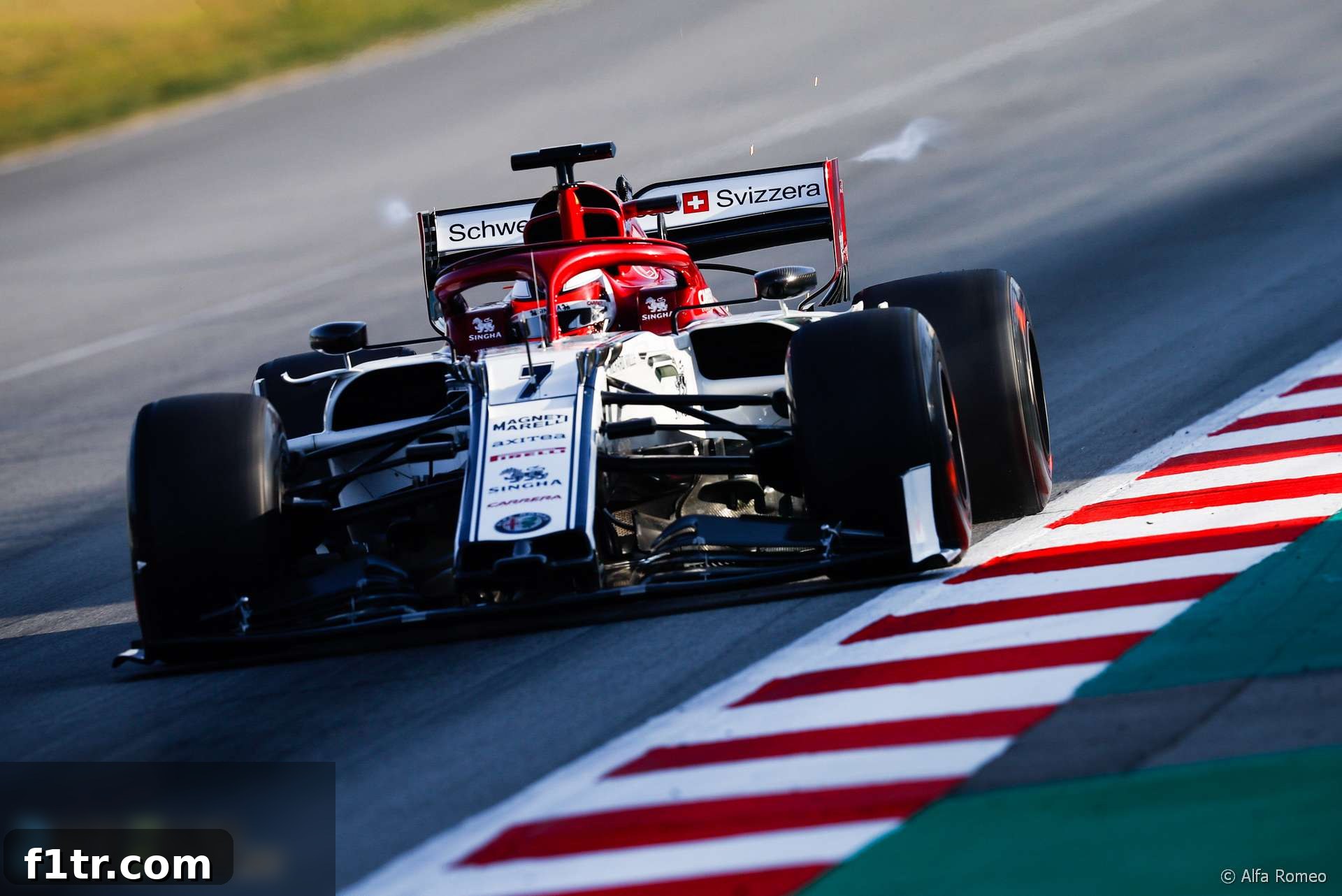
F1 Set to Revolutionize Racing with Fastest Lap Bonus Point in 2019 Season
Formula 1 is on the cusp of introducing a significant new sporting regulation for the 2019 F1 season: awarding an extra championship point to the driver who sets the fastest lap during a Grand Prix. This potential rule change aims to inject an additional layer of strategy and excitement into races, compelling drivers to push their limits until the very last lap. With the first practice sessions for the new season drawing near, the motorsport world eagerly awaits the final verdict on this hotly debated proposal.
The concept of recognizing and rewarding the fastest lap is not entirely new to Formula 1’s storied history, but its reintroduction in a points-scoring capacity marks a modern attempt to enhance the spectacle of Grand Prix racing. The initial discussions and conditional support from key regulatory bodies suggest a strong desire within the sport to explore innovative ways of engaging fans and intensifying championship battles. This move comes at a time when F1 is actively seeking to evolve its format and appeal to a broader audience, reflecting a broader strategic vision for the sport’s future.
The Proposed Rule: Key Details and Conditions
The core of the proposed rule is straightforward: one championship point will be allocated to the driver who records the fastest lap of the race. However, this isn’t a free pass for any driver to secure a bonus point. Crucially, the draft text of the proposed addition to Article 6.4 of the Sporting Regulations stipulates a vital condition designed to maintain sporting integrity and prevent opportunistic strategies that could detract from the race itself. A driver must finish within the top 10 positions of the final race classification to be eligible for the fastest lap point.
This “top 10” clause is paramount to the rule’s functionality. Without it, a driver outside of the points-paying positions (or even retired) could theoretically pit for fresh tires in the closing stages, set a fastest lap, and gain a championship point without having genuinely competed for a strong race finish. The regulation explicitly states: “One point will be awarded to the driver who achieved the fastest lap of the race and to the constructor whose car they were driving, providing that the lap time was achieved without incurring a penalty and the driver was in the top 10 positions of the final race classification.” Conversely, “No point will be awarded if the fastest lap is achieved by a driver who was classified outside the top 10.” This ensures that the bonus point is awarded for a performance that aligns with overall race competitiveness, rather than a mere late-race dash.
The Road to Approval: A Multi-Stage Process
The journey for any significant rule change in Formula 1 involves a rigorous multi-stage approval process, ensuring broad consensus among stakeholders. The initial impetus for the fastest lap point came from within the sport’s leadership, culminating in its recent debate by the FIA World Motor Sport Council (WMSC). Reliable sources indicate that the WMSC has given its conditional support to the plan, marking a critical step forward.
However, the WMSC’s endorsement is not the final hurdle. For the rule to be formally introduced for the 2019 F1 season, it still requires majority backing from the powerful F1 Strategy Group and, subsequently, unanimous support from the F1 Commission. These bodies, comprising representatives from the FIA, Formula 1 commercial rights holder, and the teams, play a pivotal role in shaping the sport’s regulations. A tight deadline has been set, requiring both groups to submit their electronic votes on the proposed rule by Monday. The FIA has reportedly expressed its eagerness for the rule to be formally approved before the lights go out for the first Grand Prix of the new season, underscoring the urgency and importance attached to this amendment.
It’s worth noting that this isn’t the only bonus point concept considered recently. A similar proposal to award a point for pole position was discussed earlier in the regulatory process but ultimately rejected. The reasons for this rejection likely centered on the desire to reward dynamic, race-day performance rather than qualifying prowess, which is already celebrated with grid position. The focus on the fastest lap suggests a preference for rules that encourage intense competition throughout the race itself.
Arguments For: Enhancing the Race Spectacle
The rationale behind introducing a fastest lap point is multifaceted, primarily aimed at enriching the Formula 1 experience for both participants and spectators. Advocates argue that this rule will:
- Boost Strategic Depth: Teams and drivers will have an additional variable to consider during a race. Towards the end of a Grand Prix, especially if positions are relatively stable, a team might choose to pit a driver who is already in the top 10 for fresh, soft tires purely to chase the fastest lap. This adds an intriguing strategic layer beyond simply managing tires for position.
- Incentivize Aggressive Driving: Even if a driver is out of contention for a podium or has a comfortable gap to the car behind, the allure of an extra point provides a strong incentive to push the car to its absolute limits, particularly in the closing stages. This could lead to more thrilling finishes and spectacular lap times.
- Impact Championship Battles: An extra point per race, accumulated over a season, could genuinely influence the outcome of both the Drivers’ and Constructors’ Championships. Imagine a scenario where the title is decided by a single point – the fastest lap could become a crucial differentiator, elevating its importance.
- Increase Fan Engagement: For viewers, the fastest lap chase offers an additional narrative to follow during a race, especially in periods where on-track overtakes might be scarce. Broadcasters can highlight the battle for the fastest lap, creating another layer of excitement and potentially attracting new fans who appreciate every aspect of performance.
- Reward Pure Speed: Formula 1 is fundamentally about speed. A bonus point for the fastest lap directly rewards the ultimate display of pace over a single circuit rotation, celebrating the raw performance of car and driver.
Arguments Against: Potential Pitfalls and Criticisms
While the proposal has garnered significant support, it also faces its share of scrutiny and potential drawbacks. Critics raise several valid concerns:
- Gimmickry vs. Genuine Impact: Some argue that adding a single point might be perceived as a superficial gimmick that doesn’t fundamentally improve the quality of racing or address deeper issues within the sport. They question if it genuinely adds value beyond a momentary thrill.
- Bias Towards Top Teams: The fastest lap is often set by cars from top teams who typically have superior machinery and the luxury of managing their races. These teams are also more likely to have drivers consistently finishing in the top 10. This could further consolidate points at the sharp end of the grid, potentially widening the gap to midfield teams rather than closing it.
- Complexity for New Fans: Introducing additional rules and points systems can sometimes make the sport more complex for new viewers to understand, potentially hindering efforts to broaden its appeal.
- Risk of Confusion: There’s a slight chance of confusion if the fastest lap is set by a driver outside the top 10, resulting in no point being awarded. While the rule is clear, casual viewers might miss the nuance.
- Safety and Cost Concerns: While minor, pushing to the absolute limit for a single point could theoretically increase risk in already high-speed scenarios, or incur additional wear and tear on components, subtly increasing operational costs.
Impact on the 2019 Season and Beyond
If approved, the fastest lap bonus point could significantly alter dynamics in the Formula 1 paddock from the very first race in Melbourne. Drivers will be briefed on its implications, and race engineers will undoubtedly incorporate it into their strategic calculations. We could see teams holding back a set of fresh soft tires specifically for a late-race fastest lap attempt, even for drivers who are not leading the race but are comfortably within the top 10.
This could transform the final few laps of a Grand Prix, turning what might otherwise be a procession into a tense battle for an extra point. Midfield teams, whose drivers might consistently finish P7-P10, could find themselves in a unique position to snatch an extra point if their car demonstrates unexpected pace at certain tracks or in specific conditions. This might also lead to more varied tire strategies, as teams weigh the benefits of securing a fastest lap against the risks of an extra pit stop or pushing their current tires beyond their optimal window.
Ultimately, the introduction of the fastest lap bonus point represents Formula 1’s ongoing commitment to innovation and its continuous effort to captivate its global audience. While its true impact will only be measured once the 2019 F1 season gets underway, it promises to add an exciting new dimension to the sport, rewarding daring drivers and clever strategists alike. The countdown to the official announcement and the start of an electrifying new season has truly begun.
More on the 2019 F1 Season:
- Crying in the Melbourne car park at 2019 grand prix was my career low – Ocon
- McLaren Racing reports reduced £71 million loss in 2019
- Kvyat: Hockenheim podium last year was “my biggest achievement” so far
- How the FIA’s new encrypted fuel flow meter targets Ferrari’s suspected ‘aliasing’ trick
- “He smashed my office door”: 23 must-see moments from ‘Drive to Survive’ season two
Browse all 2019 F1 season articles