F1 Pre-Season Testing Day 3: Unpacking the Pace, Mileage, and Surprises
The pre-season testing phase in Formula 1 is an unequivocally critical period for all teams. It’s the moment new designs are put through their paces, components are rigorously validated, and vast quantities of data are collected. For fans and analysts alike, it’s also a time of high anticipation, offering the first tantalizing glimpses into the potential pecking order for the upcoming championship. While headline lap times are always treated with a degree of caution – often influenced by varying fuel loads, engine modes, and tyre choices – the third day of the 2019 pre-season testing session at Circuit de Catalunya delivered some truly unexpected headlines and strategic insights that demand a closer look.
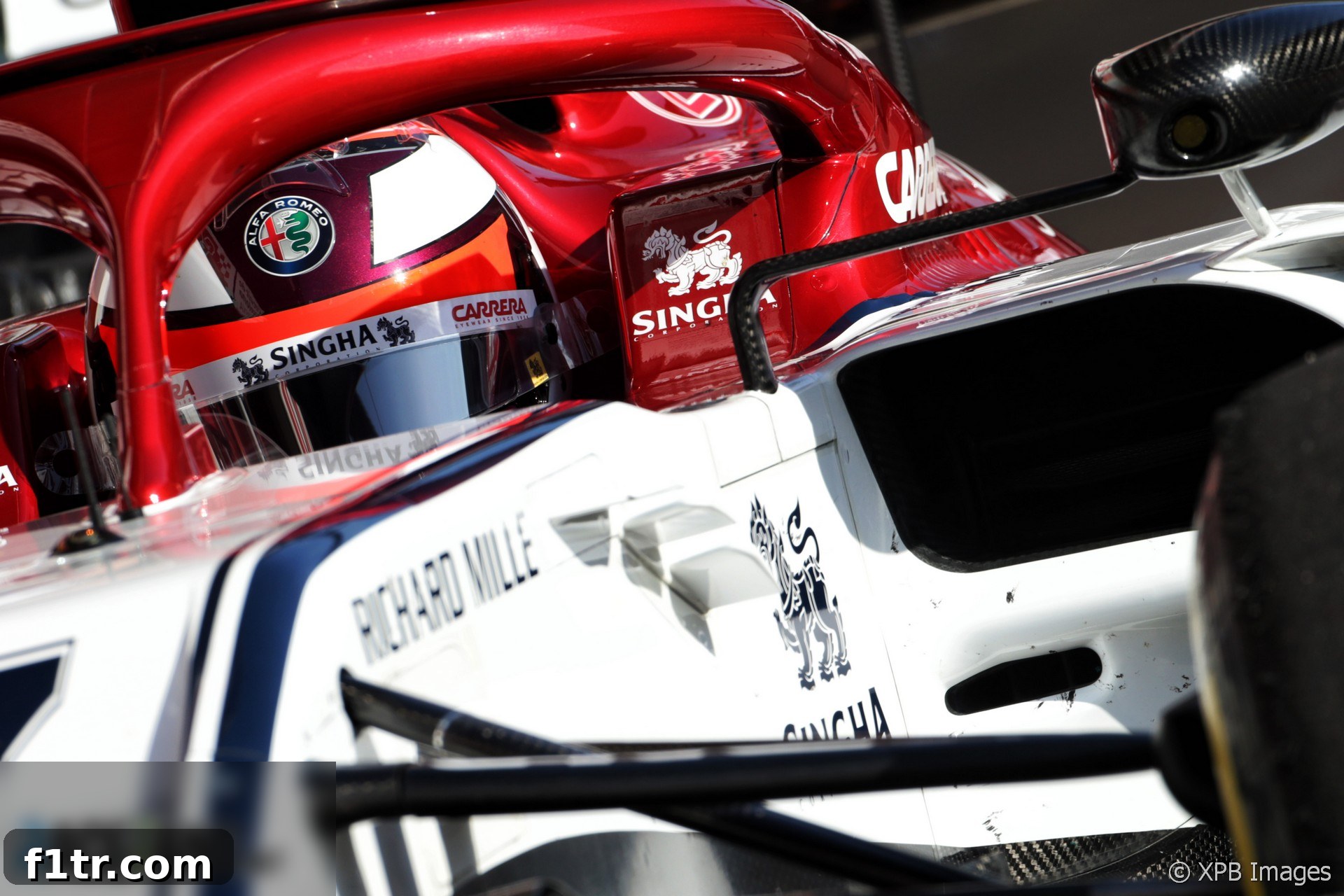
In a significant and somewhat surprising turn of events, Alfa Romeo, with the seasoned Kimi Raikkonen at the wheel, made history by becoming the first team to record a quicker lap time with its 2019 contender than it had managed throughout the entirety of the previous year’s testing. This impressive feat underscored a clear leap in performance for the Swiss-Italian outfit. Remarkably, this achievement was swiftly overshadowed later in the day by Toro Rosso, who sensationally ended the session on top of the timing sheets. These early indicators have undoubtedly sparked widespread discussions about potential shifts within the competitive midfield and the genuine readiness of these “challenger” teams for the demanding season ahead.
Advert | Become a Supporter & go ad-free
Midfield Mavericks: Alfa Romeo and Toro Rosso Set the Early Pace
Both Alfa Romeo, piloted by Kimi Raikkonen, and Toro Rosso, expertly navigated by Daniil Kvyat, achieved their impressive, session-topping times utilizing Pirelli’s softest available tyre compound – the C5. For clarity, these C5 tyres are the closest equivalent to what was known as the hyper-soft compound in the 2018 season, designed specifically for maximum grip and optimal single-lap performance. It is particularly noteworthy that both teams also resorted to using the hyper-softs to set their quickest times in last year’s tests. However, at that point in the championship, both generally found themselves battling in the lower echelons of the field. Therefore, this year’s immediate pace suggests a tangible and considerable step forward in their overall performance.
The apparent performance gains demonstrated by both Alfa Romeo (formerly Sauber) and Toro Rosso are consistent with the significant improvements each team showcased during the latter half of the 2018 season. Alfa Romeo, in particular, has been a team steadily on the ascent, benefiting from a deepened technical partnership with Ferrari and increased investment. Toro Rosso, on the other hand, has always served as a potent proving ground for talent and technology. Their second year in collaboration with Honda as their engine supplier appears to be yielding positive dividends, hinting at a more robust and powerful package. Their ability to extract such commanding pace so early in the testing cycle, especially when many larger teams are still primarily focused on fundamental reliability checks and system validations, stands as a strong early indicator of their ambition to climb higher up the competitive grid in the 2019 Formula 1 season. Such performances invariably inject excitement into the midfield battle, promising closer racing and more unpredictable outcomes.
Ferrari’s Underlying Strength: Sebastian Vettel’s Formidable Lap
While the C5 tyre times from Alfa Romeo and Toro Rosso undeniably generated the most immediate buzz, Sebastian Vettel’s commanding lap of 1’18.161 in the Ferrari SF90 on the C3 compound still registers as arguably the most impressive performance in terms of sheer, unadulterated speed and underlying car potential. The C3 compound is broadly analogous to a 2018 soft tyre – a firmer, more durable compound that typically offers less ultimate grip than the C5s. Yet, Vettel was only a few tenths of a second slower than the ultimate C5 times recorded by the midfield front-runners. This achievement powerfully suggests that the Ferrari SF90 possesses formidable raw speed even on less aggressive rubber, a characteristic that historically bodes exceptionally well for strong race pace and, crucially, overall championship contention.
Ferrari traditionally demonstrates strong form during pre-season testing, and their SF90 appears to be a brilliantly engineered and inherently competitive package right from its initial rollout. Vettel’s impressive time serves as a powerful reminder that while the midfield battle may be intensifying, the established top teams are by no means complacent. The Scuderia’s consistent performance across a range of different tyre compounds throughout testing points towards a highly stable and adaptable platform that can be meticulously fine-tuned for race weekends. This level of readiness positions Ferrari as a serious contender for the championship title from the very first Grand Prix, indicating they are ready to challenge for victories right out of the gate.
Mercedes’ Calculated Patience: The Pursuit of Mileage Over Momentary Pace
In stark contrast to some of their rivals, Mercedes, the reigning five-time Constructors’ Champions, continued to employ their familiar and often strategically perplexing pre-season testing philosophy. While their W10 might have ‘only’ recorded the eighth-fastest time on the timing sheets so far, this performance is entirely consistent with their well-documented historical approach. Mercedes very rarely chases headline-grabbing lap times in testing; their paramount focus remains on accumulating vast amounts of mileage, meticulously stress-testing every single component, and gathering comprehensive data across a multitude of configurations. This methodical and rigorous approach is fundamental, allowing them to proactively identify and systematically resolve any potential issues or weaknesses long before the championship proper commences.
To truly grasp the astute nature of Mercedes’ testing strategy, it’s imperative to recall the significant disparity between their fastest test laps and their actual race laps at the Circuit de Catalunya in previous seasons. Their test times have frequently lagged substantially behind their ultimate performance potential, only for them to unleash their true speed when it genuinely counts. As a popular analogy succinctly puts it, the W10 might as well be towing a caravan – implying it is deliberately running with conservatively high fuel loads, operating in less aggressive engine modes, and quite possibly utilizing sub-optimal or experimental setups. The unequivocal primary objective for Mercedes during testing is mileage, and by this critical metric, they are once again leading the field, having already surpassed Ferrari in total laps completed. This relentless and unwavering pursuit of ultimate reliability and exhaustive data acquisition is a hallmark of their unparalleled championship-winning pedigree and a key differentiator in their sustained success.
The Indispensable Value of Mileage and Tyre Data in F1 Testing
Pre-season testing in Formula 1 represents a delicate and intricate balancing act between demonstrating raw outright speed and, more importantly, ensuring the absolute reliability and long-term durability of the brand-new car. While the fastest single lap times inevitably capture public attention and generate excitement, the total cumulative mileage covered by a team often provides a far more accurate and nuanced picture of their genuine preparedness for the rigors of a full F1 season. High mileage directly translates into an exponentially greater volume of data collected – data crucial for understanding aerodynamic performance, engine efficiency, brake wear characteristics, and, most critically, the degradation patterns of various Pirelli tyre compounds across diverse track conditions.
Within the initial three days of this intensive eight-day testing program, two teams have already managed to cover more than half the total mileage they achieved in the entirety of last year’s pre-season testing: McLaren, reaching an impressive 52% of their 2018 total, and Renault, closely following at 50%. This is an extraordinary achievement for both teams and strongly suggests robust build quality, enhanced reliability, and highly efficient testing programs. For McLaren, in particular, a strong showing in mileage accumulation is an extremely welcome and positive sign, especially after several challenging seasons that have been unfortunately plagued by persistent reliability woes. Renault’s consistency in accumulating laps points towards a stable and predictable platform for their RS19, a factor that could prove absolutely vital for their ambitious plans to close the performance gap to the established top three teams in the constructors’ championship.
2019 Pre-Season Lap Times: A Detailed Snapshot of Early Pace
The following table meticulously presents a snapshot of the fastest individual lap times recorded during these initial testing days, alongside the specific Pirelli tyre compounds utilized for each fastest run. It is crucial to reiterate that these times are not directly comparable due to the inherent variability in track conditions, undisclosed fuel loads, diverse engine modes, and highly individualized driver testing programs. Nevertheless, this data offers an undeniably fascinating and insightful glimpse into the early performance trends and competitive landscape of the 2019 Formula 1 grid.
| Position | Team | Model | Time | Gap | Tyre |
|---|---|---|---|---|---|
| 1 | Toro Rosso | STR14 | 1’17.704 | C5 | |
| 2 | Alfa Romeo | C38 | 1’17.762 | 0.058 | C5 |
| 3 | Ferrari | SF90 | 1’18.161 | 0.457 | C3 |
| 4 | Renault | RS19 | 1’18.164 | 0.460 | C4 |
| 5 | McLaren | MCL34 | 1’18.553 | 0.849 | C4 |
| 6 | Red Bull | RB15 | 1’18.787 | 1.083 | C3 |
| 7 | Haas | VF-19 | 1’19.060 | 1.356 | C3 |
| 8 | Mercedes | W10 | 1’19.535 | 1.831 | C3 |
| 9 | Racing Point | RP19 | 1’19.944 | 2.240 | C3 |
| 10 | Williams | FW42 | 1’25.625 | 7.921 | C3 |
Go ad-free for just £1 per month>> Find out more and sign up
Pre-Season Performance Comparison: Lap Times and Mileage Analysis
While the original context implied dynamic charts for “2019 pre-season lap times compared to last year” and “2019 pre-season mileages compared to last year,” we can derive profound significance from the textual information and the provided table. A visual representation of the lap times would undoubtedly highlight the tangible improvement in pace demonstrated by teams such as Alfa Romeo and Toro Rosso relative to their performance in the previous year’s testing. This would underscore a general trend of faster and more refined cars across the grid for 2019, reflecting the relentless and continuous development cycle inherent in Formula 1. Such a chart would also visually emphasize the potentially closer gaps between various teams, hinting at a season that could be more competitive and thrilling than ever before.
This section would typically feature a comparative chart. Visually, it would demonstrate the clear advancements made by teams like Alfa Romeo and Toro Rosso, achieving significantly faster times than their 2018 equivalents. It would also illustrate the overall improved pace across the entire grid in 2019 compared to the previous year’s testing sessions, reflecting the continuous pursuit of aerodynamic efficiency and power unit optimization in Formula 1. The data strongly suggests that most teams are already operating at a remarkably higher performance baseline, setting the stage for an exciting season opener.
Advert | Become a RaceFans supporter andgo ad-free
Strategic Insights Gleaned from Mileage Accumulation
Similarly, a mileage comparison chart would offer invaluable strategic insights into each team’s operational efficiency and development focus during testing. As previously highlighted, McLaren and Renault notably surpassed half of their entire 2018 testing mileage in an astonishingly short span of just three days. This impressive feat unequivocally signals strong reliability, meticulous engineering, and highly efficient testing programs. This intense focus on consistent running enables teams to thoroughly validate new designs, precisely calibrate complex electronic and mechanical systems, and collect an indispensable trove of data that forms the absolute foundation for their car’s developmental trajectory throughout the entire season. Mercedes leading the overall mileage charts, despite their deliberately conservative lap times, further underscores the paramount importance they place on robustness, data integrity, and methodical acquisition over any early, fleeting showboating.
This chart, if present, would visually track the cumulative mileage for each team, providing a clear and direct comparison against their total mileage from the previous year’s pre-season testing. It would distinctly highlight teams that are making significant strides in reliability and testing efficiency, such as McLaren and Renault exceeding 50% of their 2018 totals so rapidly. Such a visualization powerfully reinforces the argument that consistent and trouble-free running is often a far more reliable indicator of true pre-season success and future championship potential than merely recording the fastest lap time on a single occasion.
Advert | Become a RaceFans supporter andgo ad-free
What Do These Early Results Hint About the 2019 Season’s Outlook?
While the temptation to draw definitive, season-long conclusions from pre-season testing is always strong, the annals of Formula 1 history repeatedly remind us that the true pecking order only definitively crystallizes at the very first race in Melbourne. Nevertheless, these initial days of testing provide invaluable indicators and fascinating talking points. The surprising pace demonstrated by Alfa Romeo and Toro Rosso strongly suggests the potential for an even tighter and more fiercely contested midfield battle, offering exciting prospects for unexpected podium finishes or significant point hauls for these teams. Ferrari’s robust and consistent performance on harder tyre compounds firmly positions them as formidable front-runners, clearly possessing the raw speed and stability to challenge for outright victories from the outset.
Mercedes, despite their comparatively modest lap times, unequivocally remains the gold standard for reliability and meticulous strategic planning. Their unwavering focus on accumulating maximum mileage, combined with their well-known track record of ‘sandbagging’ (deliberately underperforming) during testing, means they can never, under any circumstances, be underestimated. The notable gains made by McLaren and Renault in terms of mileage accumulation also signal very positive developments for their respective seasons, suggesting a foundation for improvement. Williams, unfortunately, appears to be grappling with significant challenges, with their much slower lap times hinting at what could be a difficult and demanding start to their 2019 campaign.
Ultimately, pre-season testing is a complex, multi-layered puzzle with many pieces deliberately concealed by the teams. These early results serve primarily to fuel anticipation and intense speculation, effectively laying the groundwork for what promises to be yet another thrilling and captivating Formula 1 season. The forthcoming days of testing will undoubtedly provide further crucial clues, but for now, the midfield contenders have certainly given the established front-runners a considerable amount to ponder.
Related Articles: 2019 F1 Season Insights
- Crying in the Melbourne car park at 2019 grand prix was my career low – Ocon
- McLaren Racing reports reduced £71 million loss in 2019
- Kvyat: Hockenheim podium last year was “my biggest achievement” so far
- How the FIA’s new encrypted fuel flow meter targets Ferrari’s suspected ‘aliasing’ trick
- “He smashed my office door”: 23 must-see moments from ‘Drive to Survive’ season two
Browse all 2019 F1 season articles