Formula 1 is poised to unveil a landmark initiative, signaling a profound commitment to fostering greater diversity and inclusion within the sport. This highly anticipated “major announcement,” expected in the near future, represents a pivotal moment for F1, promising to redefine its role beyond mere entertainment.
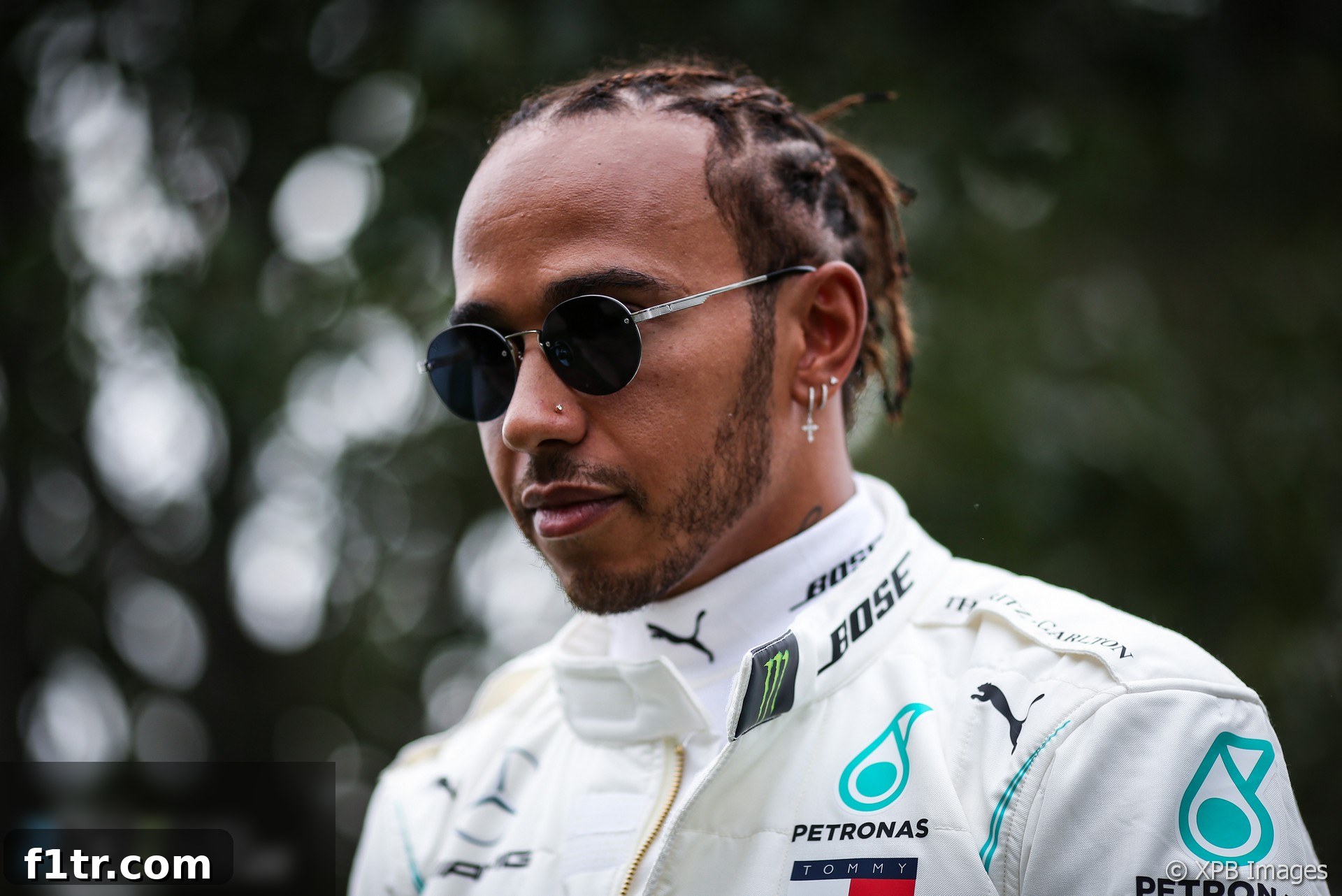
This progressive step comes partly in direct response to the powerful advocacy of figures like Lewis Hamilton, whose unwavering support for the Black Lives Matter movement and persistent calls for increased participation from underrepresented backgrounds have resonated deeply within the sport’s ecosystem. Hamilton’s influence has undeniably accelerated discussions and catalyzed action, pushing Formula 1 to address systemic issues and champion a more equitable future.
Formula 1’s Evolving Purpose: Beyond the Track
Yath Gangakumaran, Formula 1’s Director of Strategy and Business Development, recently shed light on these impending plans during the FIA EConference. Speaking at a seminar aptly titled ‘Racing for a Purpose,’ Gangakumaran emphasized the broader vision driving these changes. “In a couple of weeks’ time, you will be seeing some pretty major announcements from us more broadly around diversity and inclusion,” he stated, highlighting how these efforts align with a wider strategy to make “Formula 1 have a purpose outside of entertainment.”
This sentiment underscores a growing realization within the sport that its global platform carries a significant social responsibility. With over 500 million fans worldwide, Formula 1 possesses an unparalleled reach, making it incumbent upon the organization to leverage this influence for positive societal change. Gangakumaran articulated this duty clearly: “Any organisation or person that has millions of people following them – we have over 500 million fans around the world – has a duty in many ways to highlight any imperfections that are innate within their area.”
The Catalytic Role of Lewis Hamilton
The impact of Lewis Hamilton’s activism cannot be overstated. His courageous stance and eloquent advocacy have not only brought critical issues to the forefront but have also inspired a profound introspection within Formula 1. “What Lewis has done really has helped to hasten some of the change that we want to see within Formula 1,” Gangakumaran acknowledged. Hamilton’s outspokenness has shifted the paradigm, compelling the sport to move beyond rhetoric and towards tangible action. His continued efforts have created a compelling case for embracing diversity not just as a moral imperative, but as a crucial element for the sport’s long-term relevance and growth.
Hamilton’s advocacy extends beyond mere statements; he has consistently used his platform to educate, challenge, and inspire. By initiating movements and actively engaging with discussions about racial inequality and underrepresentation, he has forced Formula 1 to confront its historical blind spots and commit to meaningful reform. The forthcoming announcements are, in many respects, a testament to the power of his voice and the collective will for change that he has helped to foster.
The Rising Tide of Athlete Activism
Gangakumaran further observed that the traditional notion of sports stars being told to “stick to their sports” is definitively over. This paradigm shift is exemplified not only by Hamilton but also by other prominent athletes such as footballers Marcus Rashford and Raheem Sterling. Their respective campaigns for social justice and equitable representation have demonstrated the immense power athletes wield as agents of change.
“You just see what Rashford has done in the last couple of days. Raheem Sterling pushing for more ethnic minority representation on sports boards. Obviously Lewis as well,” Gangakumaran remarked, pointing to a broader trend. Rashford’s remarkable work combatting child food poverty and Sterling’s efforts to increase diversity in football leadership roles highlight a new era where athletes are no longer confined to their professional arenas but actively engage with and influence public discourse on crucial social issues.
Organizations on the Right Side of History
This escalating trend of athlete activism, Gangakumaran believes, is here to stay. He stressed the importance for organizations like Formula 1 to align themselves with this evolving landscape. “I think this is going to be a trend that will continue and ultimately if you want to be on the right side of history, it’s important that you are part of that trend and that you have purpose central to what you do as an organisation.”
Embedding purpose and social responsibility at the core of an organization’s mission is no longer optional; it is essential for maintaining relevance, attracting talent, and resonating with a modern, socially conscious audience. Formula 1’s upcoming announcements are a clear indication that the sport is embracing this philosophy, recognizing that its legacy will be defined not only by its on-track spectacle but also by its off-track impact.
Paving the Way for a More Inclusive Motorsport Future
The commitment to diversity and inclusion within Formula 1 extends far beyond symbolic gestures. It encompasses a multifaceted strategy aimed at creating tangible and lasting change across all levels of the sport. This involves examining and reforming practices from the grassroots to the pinnacle of F1.
Enhancing Driver Diversity and Talent Pipeline
One of the primary areas of focus will undoubtedly be on diversifying the driver pipeline. Motorsport has historically been a sport with significant financial barriers to entry, often limiting participation to those from privileged backgrounds. Initiatives could include establishing scholarships, providing financial aid for karting and junior series, and developing talent identification programs specifically targeting underserved communities. The goal is to ensure that talent, regardless of socioeconomic background or ethnicity, has a genuine pathway to reach Formula 1. This would involve partnerships with national motorsport federations, racing academies, and educational institutions to scout and nurture promising young drivers from diverse walks of life.
Promoting Inclusion in Team Personnel and Workforce
Beyond the drivers, a truly diverse Formula 1 will reflect diversity across its entire workforce. This means actively promoting and recruiting individuals from various ethnic, gender, and socioeconomic backgrounds into roles such as engineers, mechanics, strategists, marketing professionals, and team management. Creating an inclusive workplace culture where everyone feels valued, respected, and empowered to contribute their best is paramount. This requires conscious efforts in hiring practices, mentorship programs, and fostering an environment free from discrimination and bias. F1 teams and the sport’s governing bodies are expected to collaborate on setting targets and implementing best practices to ensure greater representation at every level.
Broadening Fan Engagement and Accessibility
Diversity and inclusion also involve making Formula 1 more accessible and appealing to a wider global audience. This could involve outreach programs, educational initiatives, and content strategies designed to engage new demographics. Making the sport more approachable and understandable, and celebrating the diversity within its existing fanbase, can help attract new generations of enthusiasts. Considerations such as digital accessibility, community engagement, and making live events welcoming to all will be key elements of this broader strategy.
Fostering Diverse Partnerships and Sponsorships
The push for diversity will also extend to Formula 1’s commercial ecosystem. The sport can encourage its partners and sponsors to embrace diversity within their own organizations and support initiatives that align with F1’s inclusion goals. By leading by example, Formula 1 can influence a broader network of businesses to prioritize diversity, creating a ripple effect across industries that intersect with the sport.
Challenges and the Road Ahead
While the intent is clear and the momentum is building, the journey towards a truly diverse and inclusive Formula 1 will not be without its challenges. Systemic barriers, unconscious biases, and the sheer scale of the global sport mean that significant effort and sustained commitment will be required over many years. However, the potential rewards – a more vibrant, relevant, and globally representative sport – far outweigh these hurdles.
The forthcoming announcements are just the beginning of a long-term commitment. Success will depend on continuous evaluation, adaptation, and genuine engagement with diverse communities. Formula 1’s ability to evolve and embrace these changes will define its future, ensuring it remains at the pinnacle of global sport not only in terms of technological innovation and sporting spectacle but also as a beacon of social progress.
Anticipating the Future: A New Era for Formula 1
As the countdown to Formula 1’s major diversity and inclusion announcements continues, the anticipation is palpable. This initiative promises to be more than just a public relations exercise; it signals a fundamental shift in how one of the world’s most iconic sports perceives its role in society. By actively championing diversity, fostering inclusion, and giving purpose a central role, Formula 1 is poised to set a new standard for global sports organizations.
The collaboration between the sport’s leadership, influential figures like Lewis Hamilton, and the broader community will be crucial in translating these ambitious plans into meaningful, lasting change. This new era for Formula 1 is not just about faster cars or thrilling races; it is about building a better, more representative, and more inclusive future for motorsport and for society at large. The world watches, eagerly awaiting the details of how Formula 1 intends to make its mark as a true leader in the movement for global equality.
2020 F1 season
- Grosjean to make F1 test return tomorrow for first time since Bahrain horror crash
- Pictures: Wrecked chassis from Grosjean’s Bahrain fireball crash to go on display
- Bottas vs Rosberg: Hamilton’s Mercedes team mates compared after 78 races each
- F1 revenues fell by $877 million in Covid-struck 2020 season
- Hamilton and Mercedes finally announce new deal for 2021 season
Browse all 2020 F1 season articles