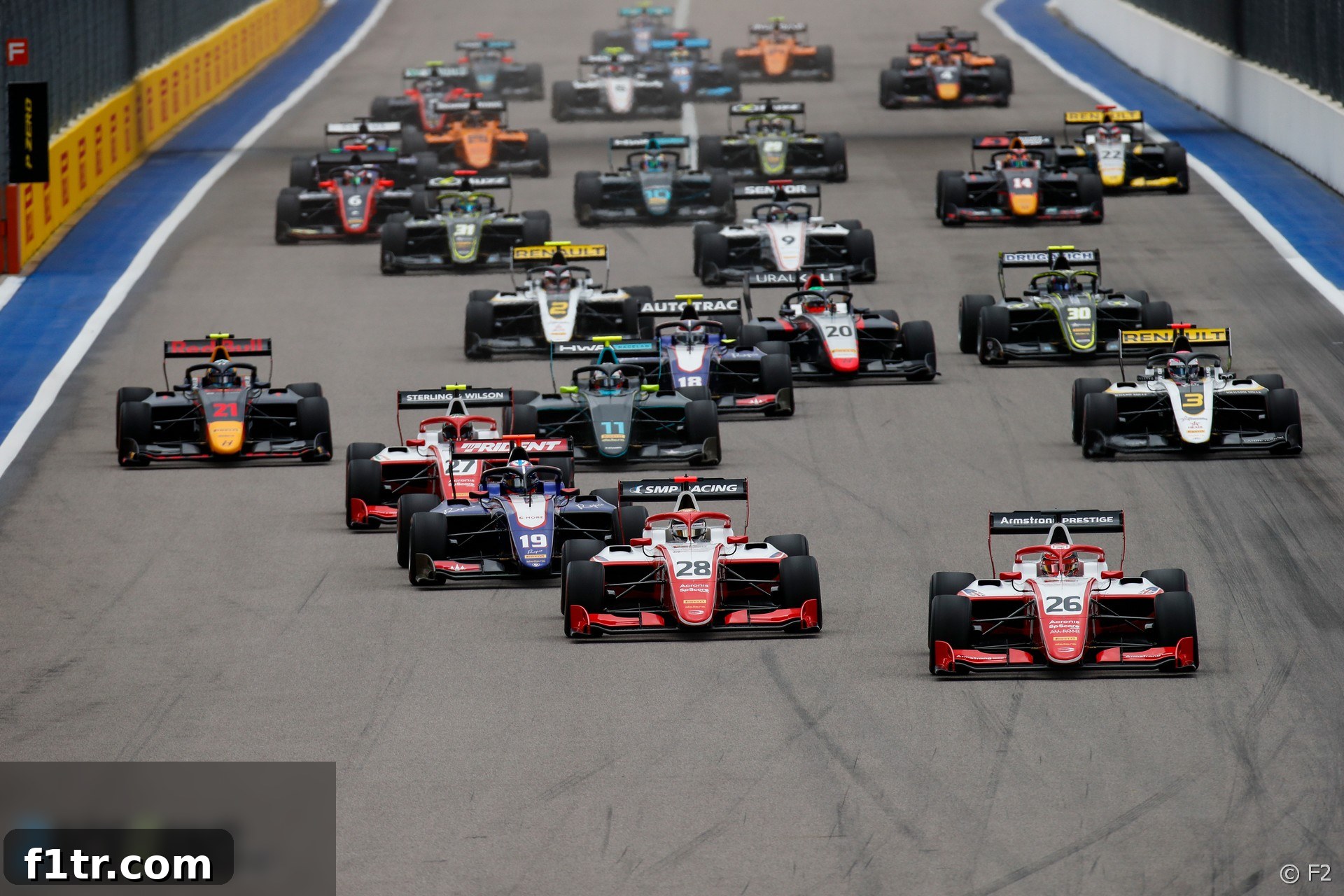
FIA Formula 3 Season Finale Relocated: COTA Out, Sochi Autodrom In Amidst COVID-19 Challenges
The FIA Formula 3 Championship has announced a significant alteration to its 2021 calendar, confirming that its inaugural event at the Circuit of the Americas (COTA) will no longer proceed. This highly anticipated debut for the junior single-seater series in Texas, scheduled to run alongside the United States Grand Prix, has been called off due to logistical complexities stemming from the ongoing global health crisis.
The Unforeseen Shift from Circuit of the Americas
The Circuit of the Americas, a modern purpose-built track known for its challenging layout and vibrant atmosphere, was set to host the F3 season finale on October 26th. This would have marked a monumental occasion for the championship, offering its young talents a chance to compete on a premier Formula 1 venue in North America for the very first time. The prospect of racing in front of American motorsport fans, particularly for the contingent of US drivers on the grid, had generated considerable excitement within the paddock and among enthusiasts.
However, the decision to relocate the final round stems directly from Formula 1 Management’s imperative to reduce the number of staff and personnel traveling to the USA. The persistent challenges posed by COVID-19 restrictions, including travel limitations, quarantine protocols, and the need to maintain stringent health and safety bubbles, have necessitated a more streamlined operational approach for the entire Formula 1 circus. Given the immense scale of the F1 operation, any measure that can alleviate logistical pressure and minimize potential risks is considered, even if it impacts supporting series like Formula 3.
The global pandemic has forced sporting organizations worldwide to adapt with unprecedented speed and flexibility. For a championship like Formula 3, which serves as a crucial stepping stone to Formula 2 and ultimately Formula 1, maintaining calendar stability while ensuring the safety of all participants has been a top priority. While the cancellation of COTA is undoubtedly a disappointment, particularly for the North American motorsport community, it underscores the ongoing need for caution and strategic adjustments in these uncertain times.
Sochi Autodrom Steps Up as New Season Closer
In response to the COTA cancellation, the FIA Formula 3 Championship will instead conclude its 2021 season at the Sochi Autodrom, supporting the Russian Grand Prix. This change shifts the season finale forward by four weeks, with the championship now wrapping up on the final weekend of September, much earlier than originally planned. The Sochi Autodrom, nestled within the Olympic Park, presents a unique challenge with its mix of fast straights and technical corners, offering a different character compared to COTA.
This revised schedule not only impacts the teams’ logistical planning but also significantly affects the drivers. The shift from a late October race in the US to a late September event in Russia means a tighter turnaround for preparation and a different type of circuit for the championship decider. Such changes can subtly influence the strategies of teams and drivers vying for the coveted championship title, as they must quickly adapt their car setups and driving styles to the new venue.
The Driver’s Perspective: Home Race Dreams and Realities
The calendar reshuffle carries particular weight for the American drivers competing in Formula 3. Talented US racers such as Juan Manuel Correa, Logan Sargeant, Kaylen Frederick, Jak Crawford, and Hunter Yeany will, unfortunately, miss out on the invaluable experience of competing in their home country. A home race is often a highlight for any driver, offering an unparalleled opportunity to perform in front of family, friends, and a dedicated local fanbase, potentially attracting crucial sponsor attention. The loss of COTA on their calendar is a significant missed opportunity for these young Americans to showcase their skills on home soil.
Conversely, the move to Sochi Autodrom provides a unique advantage for Russian driver Alexander Smolyar. For Smolyar, racing in front of a home crowd at the Russian Grand Prix will be a career highlight, undoubtedly providing an extra surge of motivation. The roar of local fans and the familiarity of his home track could offer a psychological edge as he competes in the critical final races of the season. This dynamic highlights how rapidly changing circumstances in global motorsport can profoundly impact individual drivers’ seasons and aspirations.
Rejoining the Formula 2 Family: A Unique Calendar Alignment
Another notable outcome of this calendar change is that it will see Formula 3 share a track with Formula 2 for the first time this year. Throughout the 2021 season, F2 and F3 have operated largely separate calendars, a strategic decision implemented as a cost-saving measure for teams and to accommodate the new triple-header race format for each series. This separation aimed to reduce travel burdens and operational costs during a financially challenging period for many motorsport outfits.
The reunion of F2 and F3 at Sochi Autodrom offers a glimpse back at the traditional format where both feeder series raced alongside Formula 1. This joint event can simplify logistics for the broader paddock, allow personnel to support both categories more easily, and provide a more comprehensive racing spectacle for fans attending the Russian Grand Prix. While the season’s structure largely kept them apart, this shared finale at Sochi offers a unique convergence, underscoring the adaptability required in modern motorsport.
Formula 1’s COTA Plans Remain Unchanged
It is important to note that despite the Formula 3 calendar alteration, Formula 1’s plans to race at the Circuit of the Americas for the United States Grand Prix remain unaffected. The premier championship is still set to make its highly anticipated return to Austin, Texas, as scheduled. This distinction highlights the differing operational scales and strategic priorities between Formula 1 and its supporting categories. Formula 1 commands a vastly larger infrastructure and dedicated logistical resources, often allowing it to navigate complex global restrictions more independently than its junior counterparts. The decision to remove F3 from the COTA bill was a specific measure to ease the overall burden on Formula 1 Management, ensuring the successful execution of the Grand Prix weekend.
The Road to the Finale: Current Season Dynamics
As the Formula 3 season approaches its climax, the championship battle remains fiercely contested. The sixth and penultimate round of the F3 season is currently underway at the historic Zandvoort circuit in the Netherlands, a challenging track known for its undulating nature and formidable banking. This weekend’s races are crucial for drivers looking to gain a significant advantage before the final showdown.
Earlier this morning, Arthur Leclerc notably secured a victory in the first of Zandvoort’s races, adding valuable points to his championship tally and intensifying the title fight. With only a few rounds remaining, every point becomes critical. The shift of the finale from COTA, with its fast, flowing characteristics, to the more technical and unique layout of Sochi could introduce an unpredictable element to the championship outcome. Drivers and teams will need to rapidly analyze and adapt their strategies to the new venue, potentially swinging momentum in favour of those who can master the Russian track most effectively under pressure.
Broader Implications for Junior Motorsport
The unexpected relocation of the Formula 3 season finale serves as a stark reminder of the dynamic and often unpredictable nature of international motorsport, especially in the current global climate. It underscores the FIA’s commitment to ensuring the continuity and integrity of its championships, even if it requires difficult decisions and rapid adjustments. For the young drivers aspiring to reach Formula 1, such challenges are part of their development, teaching them resilience, adaptability, and the ability to perform under changing circumstances.
These adjustments also prompt discussions about the future stability of junior motorsport calendars and how governing bodies will continue to balance global reach with logistical feasibility and health safety. The lessons learned from this season will undoubtedly shape future planning, ensuring that the critical pathway for motorsport talent remains robust and accessible despite external pressures.
Stay Connected with Motorsport Updates
Don’t miss any breaking news or in-depth analysis from the world of Formula 1 and its feeder series. Follow our updates across social media to stay at the forefront of motorsport news:
- Join RaceFans on Facebook
- Follow RaceFans on Twitter
- Get daily email updates from RaceFans
Explore More Formula 3 Content
Discover a wealth of articles and news dedicated to the FIA Formula 3 Championship and its rising stars:
- McLaren drop three drivers from junior roster and hire FREC runner-up De Palo
- Lawson: Tsunoda ‘had his time – I beat him in the junior series’
- F3 driver’s penalty cancelled after FIA asks stewards to review decision
- Antonelli and Bearman’s F1 graduations show the limitations of its feeder series
- Win-less Fornaroli clinches F3 title with last-lap pass in epic Monza finale
Browse all Formula 3 articles