Unlocking F1’s Secrets: Balancing Technology, Fan Access, and the Competitive Edge
Formula 1, often hailed as the pinnacle of motorsport and engineering excellence, constantly grapples with a fundamental challenge: how much of its cutting-edge technology should be unveiled to the public? This question lies at the heart of the sport’s efforts to enhance fan engagement while preserving the competitive integrity that drives innovation. Recently, this debate has gained renewed traction, particularly concerning the prospect of conducting technical scrutineering checks in public view, a practice more commonly associated with other racing series.
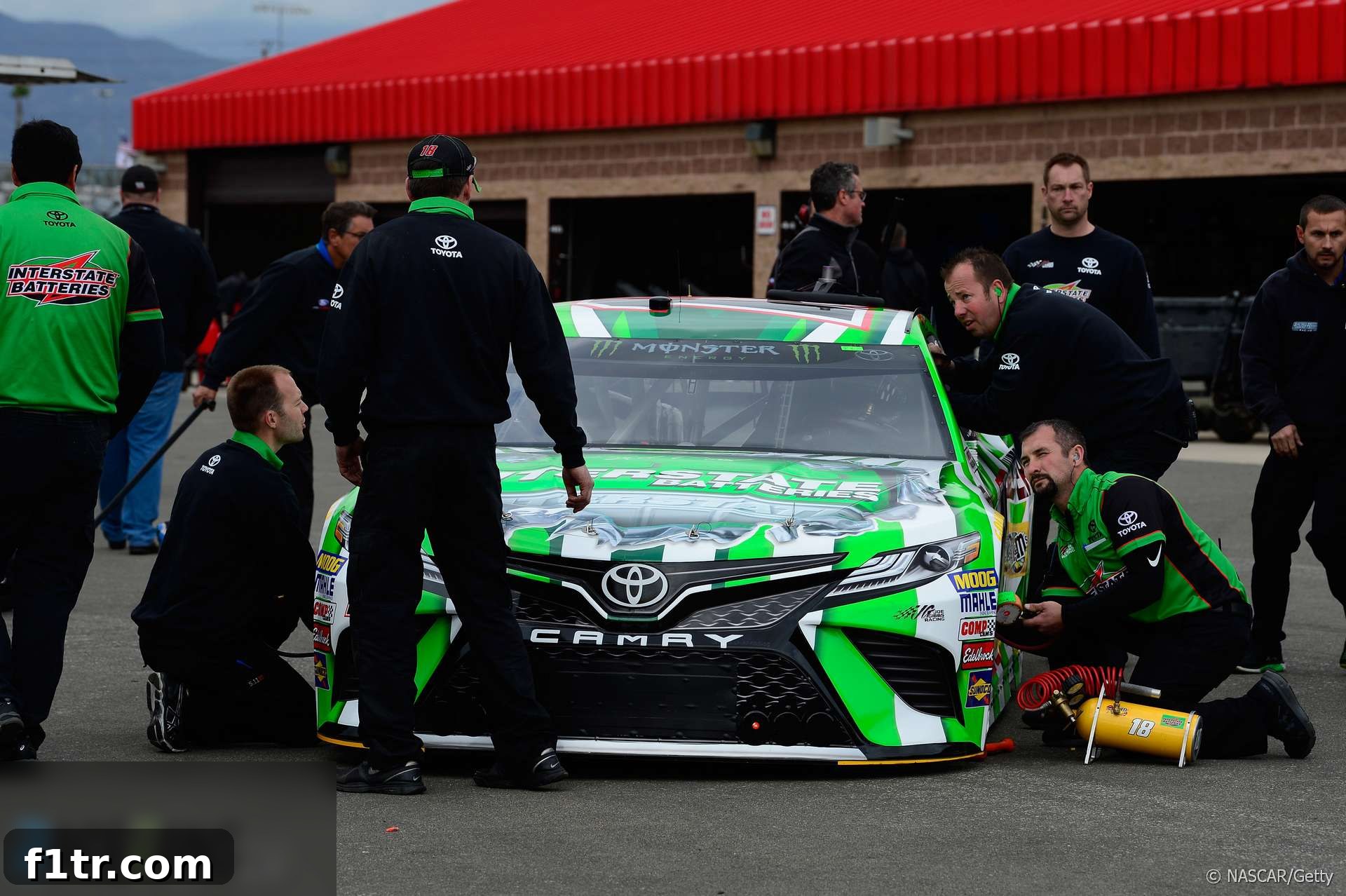
Ross Brawn, Formula 1’s managing director of motorsport, has been a prominent advocate for greater transparency, suggesting that public scrutineering could be a powerful tool to bring fans closer to the intricate engineering marvels that are F1 cars. This concept isn’t entirely new to the world of motorsport; events like the Le Mans 24 Hours and NASCAR series routinely feature visible inspections, allowing spectators to witness the meticulous checks teams undergo. The aim is clear: to demystify the cars, highlight the incredible complexity involved, and foster a deeper appreciation for the sport’s technical prowess.
Renault’s Perspective: A Balancing Act
Nick Chester, the then-technical director for Renault F1, voiced his support for the overarching idea of increasing fan access to the sport’s technological core. He reflected on the positive reactions of guests invited to the garage, who expressed immense delight at seeing the sophisticated machinery stripped of its sleek carbon fibre bodywork. “We’ve shown some guests around the garage and they’re saying just how fantastic it is to be able to look at the car and see the car without bodywork being worked on,” Chester noted, underscoring the intrinsic appeal of F1’s mechanical artistry.
Chester also touched upon a bygone era of Formula 1, reminiscing about a time when the paddock was far more accessible. “Going back a long time, 20 years ago, people used to be able to walk up and down the pits without it just being Paddock Club. People used to see the cars a lot more and I think people would like it,” he stated. This sentiment highlights a prevailing desire among many fans to recapture a sense of proximity to the sport and its stars, a connection that has arguably diminished with the increasing commercialisation and security measures.
The inherent tension, however, lies in the sport’s relentless pursuit of innovation and competitive advantage. F1 teams invest hundreds of millions of dollars annually in research and development, crafting bespoke components and revolutionary aerodynamic solutions. Protecting these intellectual properties is paramount. “It’s difficult because you’re always trying to keep under wraps anything you’ve developed and it’s hard to generally that all over the car so to what extent you show the whole car is tricky,” Chester explained, articulating the engineers’ perpetual struggle between showcasing their work and safeguarding their secrets.
The Evolving Nature of Secrecy in F1
Historically, teams have fiercely guarded their designs, often resorting to elaborate measures to shield new developments from prying eyes and rival teams. Garages are shrouded, components are covered, and new concepts are kept under wraps until the last possible moment. Yet, Chester suggested that this traditional approach to secrecy might be losing its efficacy in the modern era. He pointed out that the level of intelligence gathering among rival teams has reached an unprecedented sophistication.
“To be honest it’s probably not worth trying to hide the car too much because all the teams get such good pictures now,” he remarked. “Everyone’s got their own photographer, they’re taking lots of pictures, the pictures are really good detail. Probably just hiding it makes it difficult for the fans to see.” This observation reflects a significant shift in the F1 landscape. With high-resolution digital photography, advanced imaging techniques, and a vast network of media personnel present at every event, truly concealing significant design elements has become increasingly difficult. Teams often learn about their competitors’ innovations through detailed photographic analysis, reverse-engineering concepts based on visual cues. In this context, extreme secrecy might primarily serve to alienate fans rather than genuinely deter rivals.
NASCAR-Style Scrutineering: A Step Too Far for F1?
While supporting the general principle of increased accessibility, Chester drew a clear line when it came to fully adopting NASCAR-style open scrutineering. His reservations highlight the fundamental differences in philosophy and purpose between the two racing disciplines. “However Chester said copying NASCAR inspections ‘might be a bit of a step too far.’ ‘It’s not very Formula One in a way is it? It’s a bit more of an American approach. I can see it being interesting, it may level the playing field a little bit. But if all the teams could see the other teams’ architectures it’s maybe a bit of a step too far’,” he elaborated.
The essence of Formula 1 lies in its status as a technological arms race, where teams push the boundaries of engineering to gain a fraction of a second advantage. This competitive drive fosters innovation and results in a diverse range of technical solutions to similar challenges. NASCAR, while highly competitive, operates on a different model, often aiming for closer competition through more standardised components and extensive public checks that can lead to rapid convergence in car design. The public nature of NASCAR inspections, where cars are often displayed for extended periods and undergo detailed physical and optical scanning checks in front of fans, is central to its ethos of transparency and equality.
Chester’s primary concern with such a radical shift in F1’s approach was the potential impact on design diversity and, by extension, the sport’s unique appeal. “Allowing all the teams to see each other’s cars in scrutineering would make car designs converge more quickly,” he cautioned. “There wouldn’t be the technical interest if all the teams were really similar. You’ve got people chasing different concepts, doing different things. Otherwise is does turn into a spec series.” This fear of homogenisation is deeply rooted in F1’s identity. If every team had immediate, unfettered access to their rivals’ latest innovations during public scrutineering, the distinct aerodynamic philosophies, chassis designs, and power unit integrations that characterise each constructor would rapidly converge towards an optimal, universally adopted solution. This would diminish the unique technical narratives and the intellectual challenge that captivate engineers and a significant portion of the F1 fanbase.
Finding the Middle Ground: F1’s Path to Transparency
The challenge for Formula 1, therefore, is to strike a delicate balance: how can it make its incredible technology more accessible and engaging for fans without sacrificing the spirit of innovation and competitive secrecy that defines it? One potential avenue lies in structured and curated access, such as the garage tours mentioned by Chester, perhaps expanding these opportunities to a broader audience through official fan experiences or dedicated technical showcases at race weekends.
Further possibilities include creating more engaging digital content that delves into the technical intricacies of F1 cars. High-quality virtual tours, interactive 3D models, and in-depth video analyses from engineers and technical experts could offer fans an unprecedented look under the skin of these machines without compromising proprietary information. Pre-season car launches could evolve beyond simple unveilings to include more detailed technical briefings, explaining key design philosophies and innovative features in an accessible manner.
Another approach could be the strategic use of fan zones at circuits, featuring cutaway models of engines or gearboxes, or even transparent sections of a car’s chassis to illustrate how various components fit together. These physical displays, combined with expert commentary, could serve as powerful educational tools, sparking interest and understanding among both casual and ardent followers of the sport.
The Future of F1 and Fan Engagement
As Formula 1 continues to evolve, fan engagement remains a critical imperative for its long-term success. The sport has made significant strides in recent years, particularly through initiatives like Netflix’s “Drive to Survive,” which brought a new demographic to the sport. However, connecting fans with the technological marvels that are F1 cars presents a different, yet equally important, challenge.
Ultimately, F1’s leadership, in collaboration with the teams, must carefully navigate this complex landscape. The goal is not to turn Formula 1 into a “spec series” where technical innovation is stifled, but rather to find innovative ways to celebrate and explain the engineering genius that is its hallmark. By thoughtfully integrating more transparency and accessibility, F1 can deepen its connection with existing fans and inspire a new generation of enthusiasts and aspiring engineers, ensuring its position as the pinnacle of motorsport for decades to come.