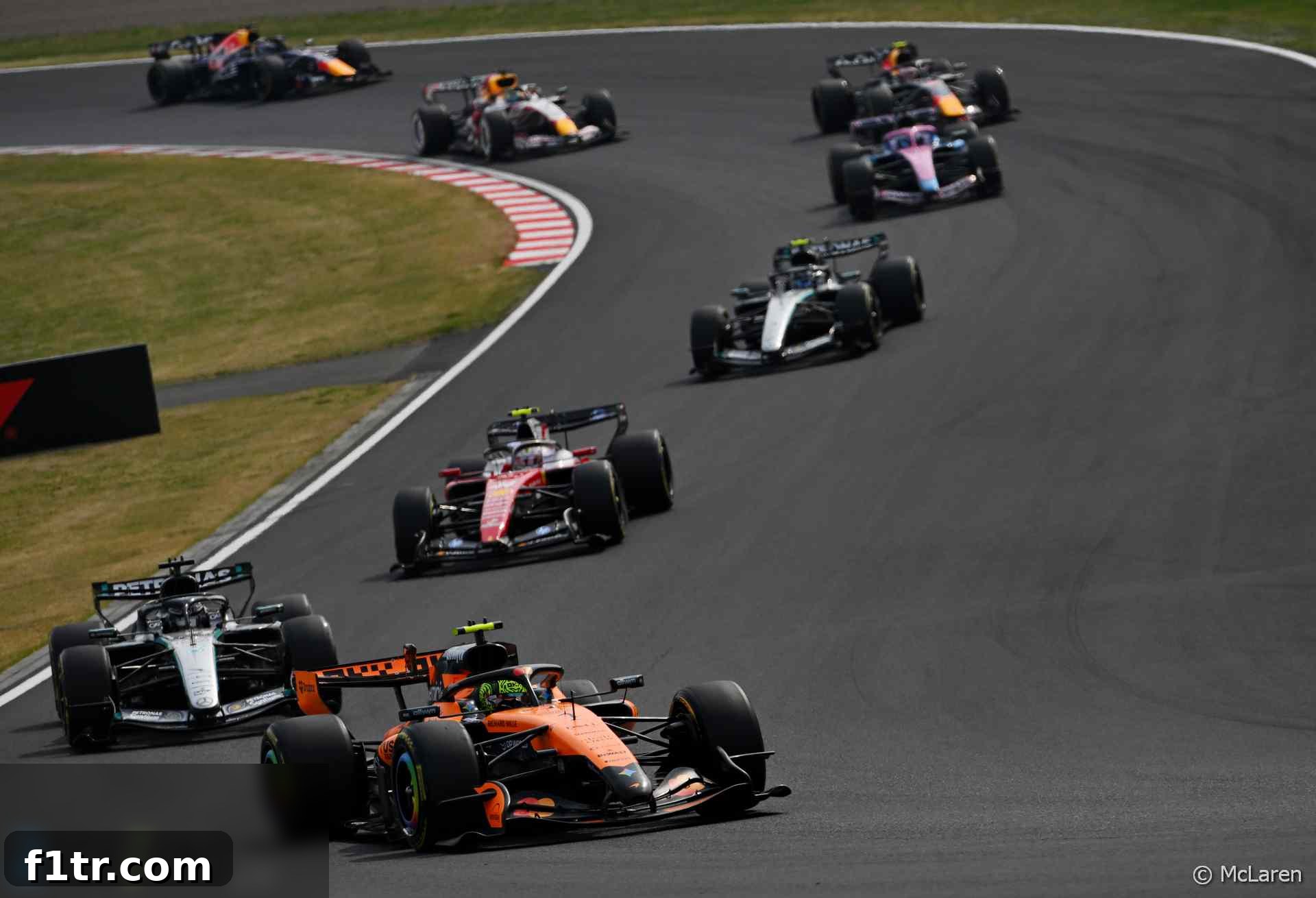
Formula 1, a sport synonymous with innovation and relentless pursuit of performance, often finds itself at a pivotal juncture where evolution becomes imperative. The governing body, the FIA (Fédération Internationale de l’Automobile), recently convened a critical meeting to discuss potential modifications to the sport’s much-debated 2026 regulations. Described as a session involving “constructive dialogue on difficult topics,” this gathering marked a significant step in fine-tuning the future trajectory of Grand Prix racing, addressing concerns raised by drivers, teams, and fans alike.
The core objective of the 2026 regulatory overhaul was to foster closer racing, enhance sustainability, and usher in a new era of power unit technology. However, as with any ambitious technical transformation, practical application often reveals unforeseen challenges. Early assessments of the new rules, initially planned for the opening rounds of the championship, were extended due to unforeseen race cancellations. This extended evaluation period has granted the FIA and stakeholders valuable time to meticulously analyze race data and formulate potential solutions to identified issues.
Central to the discussions were several critical areas impacting both safety and the quality of racing spectacle. A prominent concern raised by multiple drivers revolved around the alarmingly high closing speeds between cars. This issue gained particular notoriety following a significant incident involving Oliver Bearman at Suzuka, where the dynamic nature of the new regulations appeared to exacerbate the potential for rapid closing distances. Such scenarios not only pose serious safety risks but also force drivers into compromised defensive or evasive maneuvers, detracting from the purity of wheel-to-wheel combat.
Another point of contention highlighted by the drivers concerns the evolving nature of qualifying. Many have voiced displeasure, suggesting that qualifying sessions have become less challenging due to a significant reduction in corner entry speeds. This phenomenon, often attributed to the aerodynamic characteristics of the current cars and their interaction with the power unit’s energy management systems, appears to dilute the raw thrill and skill traditionally associated with a single-lap shootout. Furthermore, the intricacies of energy management systems are reportedly negating the gains drivers make by increasing their cornering speeds, creating a frustrating dynamic where their efforts are effectively nullified by automated power delivery protocols.
The overall standard of racing under the new regulations has also sparked a passionate, albeit divisive, debate within the F1 community. While some drivers and fans express dismay over what they perceive as an overly simplistic and frequent exchange of positions, leading to a diminished sense of achievement in overtaking, others laud the current era for its spectacular and unpredictable racing. This group argues that the ability for cars to follow more closely and engage in multiple overtakes per lap has made the sport more entertaining than ever before. Reconciling these divergent views presents a complex challenge for the FIA, as it navigates the delicate balance between preserving the current spectacle and implementing changes deemed necessary for long-term health and integrity of the sport.
The FIA acknowledges these complexities, stating that any modifications will be carefully considered to strike a balance between maintaining the current exciting racing and addressing identified areas for improvement. However, the path to consensus is fraught with difficulty, primarily due to the inherently competitive nature of Formula 1. The most successful teams, naturally keen to protect any advantage gained through their interpretation of the regulations, are often reluctant to agree to changes that might level the playing field. This competitive dynamic ensures that every proposed tweak is scrutinised intensely, with stakeholders often prioritizing self-interest over collective benefit.
Despite these challenges, the FIA confirmed a collective commitment to refining certain aspects of the regulations, particularly focusing on energy management. In a recent statement, the governing body noted, “It was generally agreed that although the events to date have provided exciting racing, there was a commitment to making tweaks to some aspects of the regulations in the area of energy management. There was constructive dialogue on difficult topics especially when considering the competitive nature of the stakeholders.” This highlights energy management as a primary area for immediate attention, suggesting that adjustments here could significantly impact both qualifying performance and race dynamics without requiring a wholesale overhaul of the aerodynamic concepts.
Advert | Become a RaceFans supporter andgo ad-free
To facilitate these crucial adjustments, a structured series of follow-up meetings has been scheduled. These sessions aim to drill down into the specifics of potential rule changes, ensuring that all technical and sporting implications are thoroughly vetted. A dedicated Sporting Regulations discussion is slated for April 15th, where any necessary alterations to the sporting framework, required to support technical modifications, will be debated. This will be followed by another intensive technical session on April 16th, which will serve as an opportunity to review points raised in prior meetings and introduce new topics for consideration.
The culmination of these discussions will be a high-level meeting on April 20th, bringing together representatives from all key stakeholders. At this pivotal summit, it is anticipated that preferred options, jointly proposed by the technical teams, will be presented, and a consensus sought on the definitive way forward. Such a collaborative approach underscores the FIA’s commitment to developing regulations in partnership with teams, OEMs, Power Unit Manufacturers, and the commercial rights holder. Any agreed-upon alterations to the regulations will then be subject to the formal approval process of the World Motor Sport Council (WMSC) before they can take effect, ideally prior to the next round of the world championship, the Miami Grand Prix in May.
FIA’s Collaborative Approach to 2026 Formula 1 Regulation Evolution
The FIA has initiated a comprehensive series of meetings to review and refine the 2026 Formula 1 regulations. The initial meeting, held between the FIA and technical experts from all teams and power unit manufacturers, covered a wide array of topics integral to the ongoing evolution of F1’s technical and sporting framework. While acknowledging the exciting racing witnessed thus far, participants expressed a clear commitment to implementing targeted adjustments, particularly concerning energy management systems.
These discussions, characterized by constructive engagement on challenging subjects, underscore the FIA’s dedication to a collaborative approach, recognizing the competitive interests of all stakeholders. This structured sequence of meetings was pre-planned following the initial races of the 2026 season, allowing for the collection of sufficient technical data to inform robust discussions.
Upcoming sessions include a Sporting Regulations meeting on April 15th, focusing on necessary framework changes, and a technical session on April 16th to further detail technical considerations. A decisive high-level meeting on April 20th aims to achieve consensus on preferred options, ultimately leading to proposals for WMSC approval. This process reflects the foundational spirit of partnership in which the 2026 regulations were originally developed and ensures that any future changes maintain the balance of innovation, safety, and sporting integrity.
Advert | Become a RaceFans supporter andgo ad-free
Formula 1 Insights and Related Reading
- GT driver killed in multi-car crash at Nurburgring Qualifiers
- Should F1 change tracks or racing guidelines to tackle dangers in 2026 rules?
- Controversies, Norris, Newey and more: Five new motorsport books reviewed
- One of F1’s greatest races happened 15 years ago today. Or did it?
- “Overtaking is overtaking”: Domenicali denies F1’s yo-yo racing is “artificial”
Browse all Formula 1 articles