In a significant strategic move that underscores the evolving landscape of sports broadcasting, Formula One Management (FOM) extensively explored various options, including dividing the highly coveted rights to broadcast live races in the USA across multiple streaming platforms, before ultimately sealing its exclusive multi-year agreement with technology giant Apple. This landmark deal, set to redefine how American audiences engage with the pinnacle of motorsport, positions Apple TV+ as the sole destination for Formula 1 action starting in 2026.
Advert | Become a Supporter & go ad-free
The announcement, made last week, revealed a comprehensive five-year contract with Apple, designating their Apple TV+ platform as the exclusive streamer for all Formula 1 Grand Prix events within the United States. This decision marks a pivotal moment for Formula 1’s continued expansion in a key market, reflecting a concerted effort to consolidate its growing fanbase under a single, premium digital offering. The move highlights F1’s strategic focus on the US, a region where the sport’s popularity has surged dramatically in recent years, making its broadcast rights an incredibly valuable commodity for major media players.
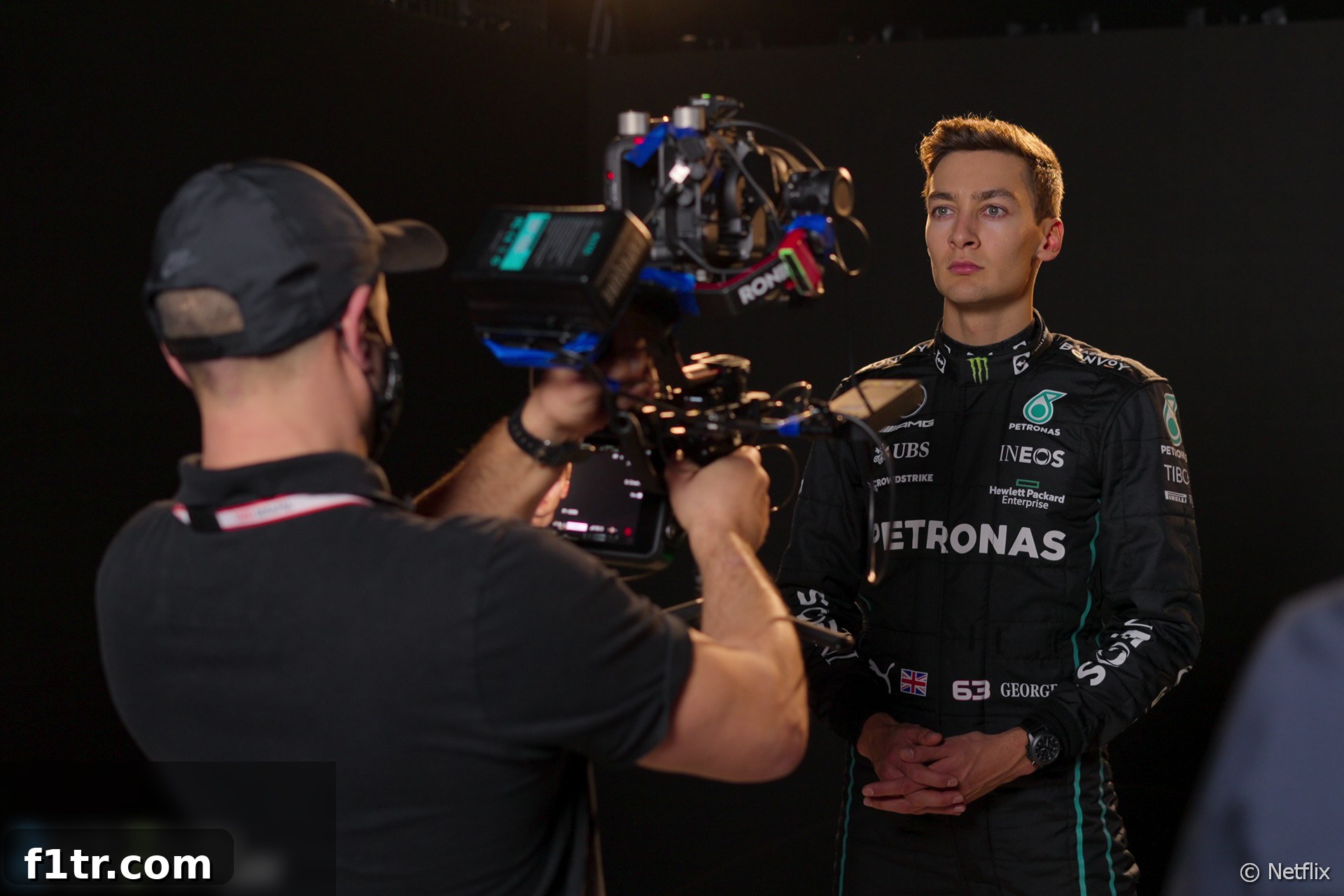
Formula 1’s relationship with streaming platforms is not entirely new. The sport has already forged a successful partnership with Netflix, which has been instrumental in captivating new audiences worldwide through its acclaimed fly-on-the-wall documentary series, *Drive to Survive*, since its debut in 2019. Given this established relationship and Netflix’s vast subscriber base, it was natural for FOM to consider the streaming giant for live race broadcasts. Ian Holmes, Formula 1’s director of media rights and content creation, confirmed that they indeed explored the possibility of streaming at least some of their races on Netflix, acknowledging its substantial reach and brand synergy cultivated by the documentary’s success.
“Netflix wanted to explore a few options, but ultimately, we felt that it wasn’t quite the right fit for our live broadcasting aspirations at this juncture,” Holmes revealed in a statement to Variety, shedding light on the intricate negotiations behind the scenes. This careful deliberation highlights FOM’s commitment to finding a partner that aligns perfectly with its long-term vision for live sports delivery and fan engagement, emphasizing more than just reach but also a comprehensive, high-quality viewing experience.
The US media landscape is famously diverse, often characterized by intricate packaging and distribution models, a stark contrast to many other global markets. Holmes elaborated on this unique dynamic, stating, “A lot of the conversations with quite a lot of the US media steered towards creating packages, which is a lot more common in this market than pretty much anywhere else.” This observation was central to FOM’s initial strategy, prompting them to delve deep into various fragmentation models. They meticulously examined scenarios such as splitting the season into two distinct halves for different broadcasters, or even carving out the popular Sprint races as separate packages to be offered independently. The strategic discussions were exhaustive, involving detailed analyses of market trends, potential revenue streams, and fan accessibility, all aimed at optimizing the value and reach of F1 content.
Holmes underscored the comprehensive nature of their exploration: “We went into quite a lot of detail. We went through the whole [gamut] and tried to keep an open mind about what’s best for the sport.” This rigorous evaluation process involved weighing the benefits of maximizing reach through multiple platforms against the advantages of a unified, exclusive broadcast. The American sports market typically sees its most popular team-versus-team leagues, such as the NFL, NBA, and MLB, distribute thousands of matches per season across numerous broadcasters and networks. This fragmentation allows fans extensive choice and ensures broad accessibility for a sport with a massive volume of content. However, Formula 1 presents a different challenge due to its comparatively lean schedule.
With just 24 Grands Prix per season, Formula 1’s content volume is significantly lower than that of major US team sports. This critical difference played a decisive role in FOM’s ultimate strategy. After thorough consideration, FOM concluded that consolidating all races into a single, comprehensive package would be more beneficial. “Because we don’t have thousands of hours of content, we broadly thought that if we can have a good contender that wants everything, it might be better,” explained Holmes. This approach simplifies the fan experience by providing a singular viewing destination and potentially enhances the value proposition for the chosen broadcaster. It also ensures a consistent brand experience across all races, from practice sessions to qualifying and the main Grand Prix, fostering a stronger connection between the sport and its audience.
The discussions were undeniably complex, reflecting the myriad pros and cons inherent in both fragmented and exclusive broadcasting models. “There are pros and cons of both approaches, so there were quite complex discussions, different discussions, depending on who it was with,” Holmes concluded. For FOM, an exclusive deal with a technology powerhouse like Apple offers several distinct advantages. It provides a stable, long-term revenue stream, ensures high-quality production and potentially innovative viewing features that Apple is known for, and helps cement F1’s image as a premium sports product. Apple, in turn, gains exclusive access to a rapidly growing global sport, further enhancing its Apple TV+ subscription offering and attracting a dedicated, affluent audience, aligning perfectly with its premium content strategy.
The decision to partner exclusively with Apple TV+ signifies Formula 1’s bold leap into the future of sports media in the United States. This move is not merely about broadcasting races; it’s about curating a premium fan experience, leveraging cutting-edge technology, and expanding F1’s digital footprint. For fans, it means a centralized hub for all F1 content, potentially including enhanced viewing options, exclusive behind-the-scenes material, and interactive features that only a tech-forward platform like Apple TV+ can deliver. While the exclusivity may require some fans to adjust to a new viewing platform and potentially subscribe to Apple TV+, the promise of an elevated, seamless, and technologically advanced broadcast experience could very well prove to be a winning formula for motorsport’s premier series in the crucial US market, driving further growth and engagement.
This strategic alliance between Formula 1 and Apple also reflects a broader industry trend where traditional broadcasters are increasingly challenged by well-funded tech companies entering the live sports arena. These companies often possess the infrastructure and capital to invest heavily in content and delivery, pushing the boundaries of what’s possible in sports consumption. For F1, a sport constantly innovating on the track, this partnership mirrors that spirit of innovation in its commercial strategy. It aims to not only maintain but significantly grow its presence in the USA, a market that has shown tremendous appetite for the sport in recent years, fueled by the immersive storytelling of *Drive to Survive* and the increasing number of US-based races like Miami and Las Vegas. The exclusive deal with Apple TV+ is a clear statement of intent: Formula 1 is committed to a premium, unified, and technologically advanced future for its American viewership, ensuring that every thrilling moment of its 24-race season is delivered with unparalleled quality and accessibility within its chosen platform, thereby cementing its position as a leading global sport.
Advert | Become a RaceFans supporter andgo ad-free
Miss nothing from RaceFans
Get a daily email with all our latest stories – and nothing else. No marketing, no ads. Sign up here:
Formula 1
- Verstappen loathes F1’s new generation of cars – but what do his rivals reckon?
- The ‘throwback weekend’ is back in fashion. But it’s a flawed concept – especially for F1
- Is Formula 1’s double race cancellation a blessing in disguise?
- Todt admits Schumacher crashed on purpose – but did it really cost him two titles?
- 25 of the most memorable radio exchanges from the ‘Max and GP show’
Browse all Formula 1 articles