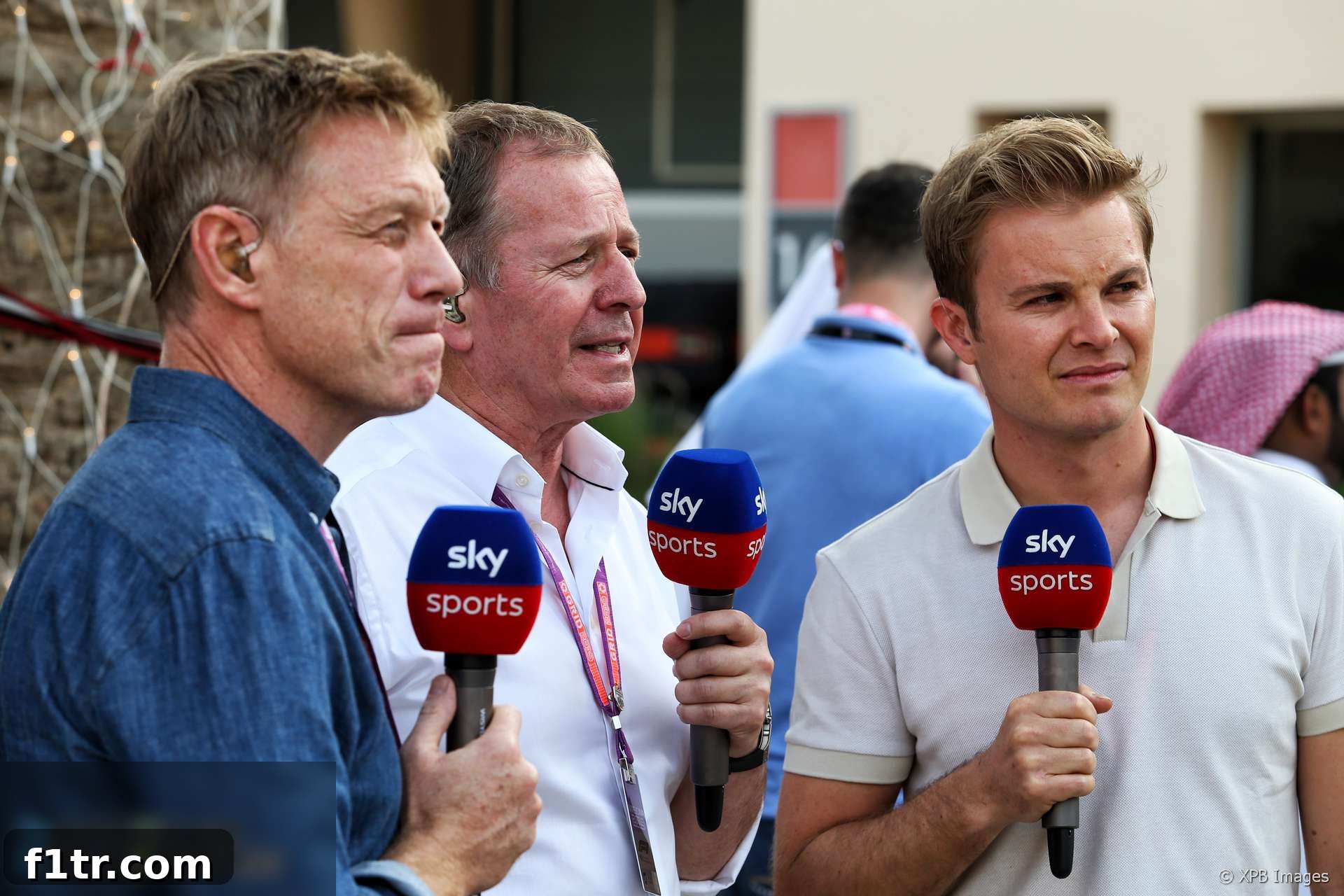
In a significant shift of strategy, Liberty Media, the current owners of Formula 1, are actively seeking to reverse the trend of moving live Grand Prix broadcasts away from free-to-air television. This bold move signals a clear departure from the previous commercial direction of the sport, aiming to enhance accessibility and broaden the sport’s global appeal. The long-term health and growth of Formula 1, according to its current custodians, are intrinsically linked to its visibility and ability to reach the widest possible audience, a sentiment that resonates with a global fanbase increasingly concerned about the sport’s availability.
Sean Bratches, Formula 1’s commercial director at the time of these remarks, voiced considerable apprehension regarding the broadcast deals orchestrated under the sport’s former supremo, Bernie Ecclestone. Specifically, he highlighted concerns over the agreement that saw live F1 broadcasts in the United Kingdom transition entirely from free-to-air channels to Sky’s subscription-based television platforms. This shift, while financially lucrative in the short term, has sparked a vigorous debate about the balance between revenue generation and audience engagement, a critical dilemma for any major global sport in the modern media landscape.
“It concerns us in a pretty material way, not just for Britain but around the world,” Bratches candidly stated in an interview with the Daily Mail. “Our ideal circumstance would be to have 75 per cent of our Grands Prix on free-to-air.” This ambition underscores Liberty Media’s strategic imperative to re-establish Formula 1’s presence on accessible platforms, believing that broad exposure is fundamental to cultivating new fans and retaining existing ones. The previous strategy, heavily reliant on exclusive pay-TV deals, has inadvertently created barriers to entry for potential enthusiasts, particularly younger demographics who might not be willing or able to subscribe to premium sports packages.
The reasoning behind Liberty Media’s stance is rooted in brand strategy and long-term sustainability. “From a brand standpoint, Formula 1 is nowhere near the position where it can lose free-to-air viewership,” Bratches elaborated. He acknowledged that the existing exclusive pay-TV agreements, particularly in key markets like the UK, were solidified before Liberty Media’s acquisition of the sport. While recognizing the immediate financial benefits of such deals – “The pay element is very exciting revenue-wise” – he critically assessed their impact on reach: “but from a reach standpoint, it is sub-optimal.” This perspective emphasizes that while significant revenue is vital, it should not come at the expense of diluting the brand’s visibility and potential for growth among a broader audience.
The consequences of the shift to exclusive pay-TV in the UK have been stark. Formula 1 viewership figures in the region have plummeted significantly since the new broadcasting deal came into effect. This decline is not merely a statistical anomaly but a tangible indicator of the impact of reduced accessibility on fan engagement. Many long-time fans, accustomed to watching races without additional subscriptions, have been alienated, while potential new fans face a paywall from the outset. This raises serious questions about the sport’s ability to attract and nurture future generations of supporters, crucial for its sustained popularity and commercial success.
Despite Liberty Media’s clear desire to reverse this trend, contractual obligations present a formidable obstacle. Bratches conceded that altering the current Formula 1 broadcasting arrangements in the UK before 2024 is highly improbable, unless Sky, the exclusive rights holder, voluntarily agrees to renegotiate. “There is no wriggle room in our agreement contractually and Sky would have to initiate anything,” he explained. This highlights the complex legal and commercial landscape in which major sports operate, where multi-year deals, while providing financial stability, can also limit strategic flexibility and responsiveness to market shifts or fan sentiment. The challenge for Liberty Media is therefore twofold: to articulate a compelling vision for broader accessibility while navigating existing, legally binding contracts.
The concern over declining viewership is not confined to commercial directors. Earlier that year, even star driver Lewis Hamilton expressed his dismay at the fall in UK TV audience numbers since the move to pay-TV. He described the drop as “terrible,” underscoring the sentiment among many within the sport that broad visibility is paramount. Hamilton’s comments highlight the athlete’s perspective, where a larger, more engaged audience translates to greater energy, interest, and the overall spectacle of the sport. The disconnect between a driver’s desire for a vast audience and the reality of exclusive pay-TV deals creates a tension that Liberty Media is determined to address in the long term.
The move away from free-to-air television by major sports, including Formula 1, has been a global phenomenon driven primarily by the pursuit of higher revenue streams. Media companies, particularly pay-TV broadcasters, are willing to pay significant sums for exclusive content, using it as a key driver for subscriptions. For sports organizations, these deals provide financial stability, allowing for investments in infrastructure, technology, and prize money. However, this financial benefit often comes at the cost of reduced audience reach and potential alienation of casual fans who may not be willing to pay for content they once received for free. Liberty Media’s current stance suggests a re-evaluation of this trade-off, prioritizing brand growth and audience expansion alongside revenue. They recognize that while immediate financial gains from exclusive deals are attractive, the long-term health of the sport relies on a robust and ever-growing fan base, which is best cultivated through widespread, accessible viewing options.
Liberty Media’s broader strategy for Formula 1 extends beyond just broadcast rights. They have invested heavily in digital platforms, social media engagement, and the hugely successful “Drive to Survive” docu-series on Netflix, all aimed at reaching new audiences and re-energizing the existing fan base. The push for free-to-air exposure aligns perfectly with this strategy, serving as a fundamental pillar for increasing the sport’s overall visibility. By making races more accessible, Liberty Media hopes to convert casual viewers into dedicated fans, who might then engage with other premium content or attend live events. This integrated approach suggests a belief that a broader top-of-funnel exposure through free-to-air can ultimately drive greater revenue through merchandise, ticketing, and other commercial ventures, creating a more sustainable ecosystem for Formula 1.
The global implications of this debate are significant. While the UK situation is particularly acute, many other markets have also seen a shift towards exclusive pay-TV for F1. Liberty Media’s desire for 75% of Grands Prix on free-to-air indicates a worldwide ambition to balance revenue with reach. This means exploring hybrid models where certain races or highlights are available on free-to-air, while full live coverage remains on pay-TV. Such models could provide a compromise, ensuring widespread visibility for the sport while still generating significant revenue from premium subscriptions. The challenge lies in tailoring these solutions to diverse regional markets, each with its own media landscape and consumer habits.
For the average fan, the debate between free-to-air and pay-TV is a matter of accessibility versus exclusivity. Free-to-air broadcasting fosters a sense of communal experience, allowing families and friends to watch together without financial burden, cultivating a shared passion for the sport. Pay-TV, while often offering enhanced viewing experiences, exclusive content, and multiple camera angles, creates a barrier that can fragment the audience and make it harder for new fans to discover Formula 1. Liberty Media’s current direction suggests an understanding that for a sport to truly thrive, it needs both dedicated, paying subscribers and a vast, accessible audience that keeps the sport in the cultural conversation. The long-term impact on fan loyalty and the demographic makeup of the F1 audience will be crucial indicators of whether this strategy succeeds.
Looking ahead, the expiration of current broadcast contracts, particularly the Sky deal in the UK post-2024, will be a pivotal moment for Formula 1. These upcoming negotiations will provide Liberty Media with a significant opportunity to implement their vision for broader free-to-air access. They will need to engage with broadcasters, not just on financial terms, but on strategic partnerships that align with their goals of audience growth and brand development. The rise of direct-to-consumer streaming services also presents a new avenue, allowing F1 to control its distribution and potentially offer tiered access, blending free and premium content. The future of Formula 1 broadcasting is likely to be a complex mosaic of traditional television, digital streaming, and strategic free-to-air partnerships, all aimed at maximizing both revenue and reach. The journey to revert F1’s broadcasting strategy is a long one, but it is clear that Liberty Media is committed to bringing the thrill of Grand Prix racing back to the widest possible audience, ensuring the sport’s enduring appeal for generations to come.
Don’t miss anything new from RaceFans
Follow RaceFans on social media:
- Join RaceFans on Facebook
- Follow RaceFans on Twitter
- Get daily email updates from RaceFans
Advert | Become a RaceFans supporter andgo ad-free
2019 F1 season
- Crying in the Melbourne car park at 2019 grand prix was my career low – Ocon
- McLaren Racing reports reduced £71 million loss in 2019
- Kvyat: Hockenheim podium last year was “my biggest achievement” so far
- How the FIA’s new encrypted fuel flow meter targets Ferrari’s suspected ‘aliasing’ trick
- “He smashed my office door”: 23 must-see moments from ‘Drive to Survive’ season two
Browse all 2019 F1 season articles