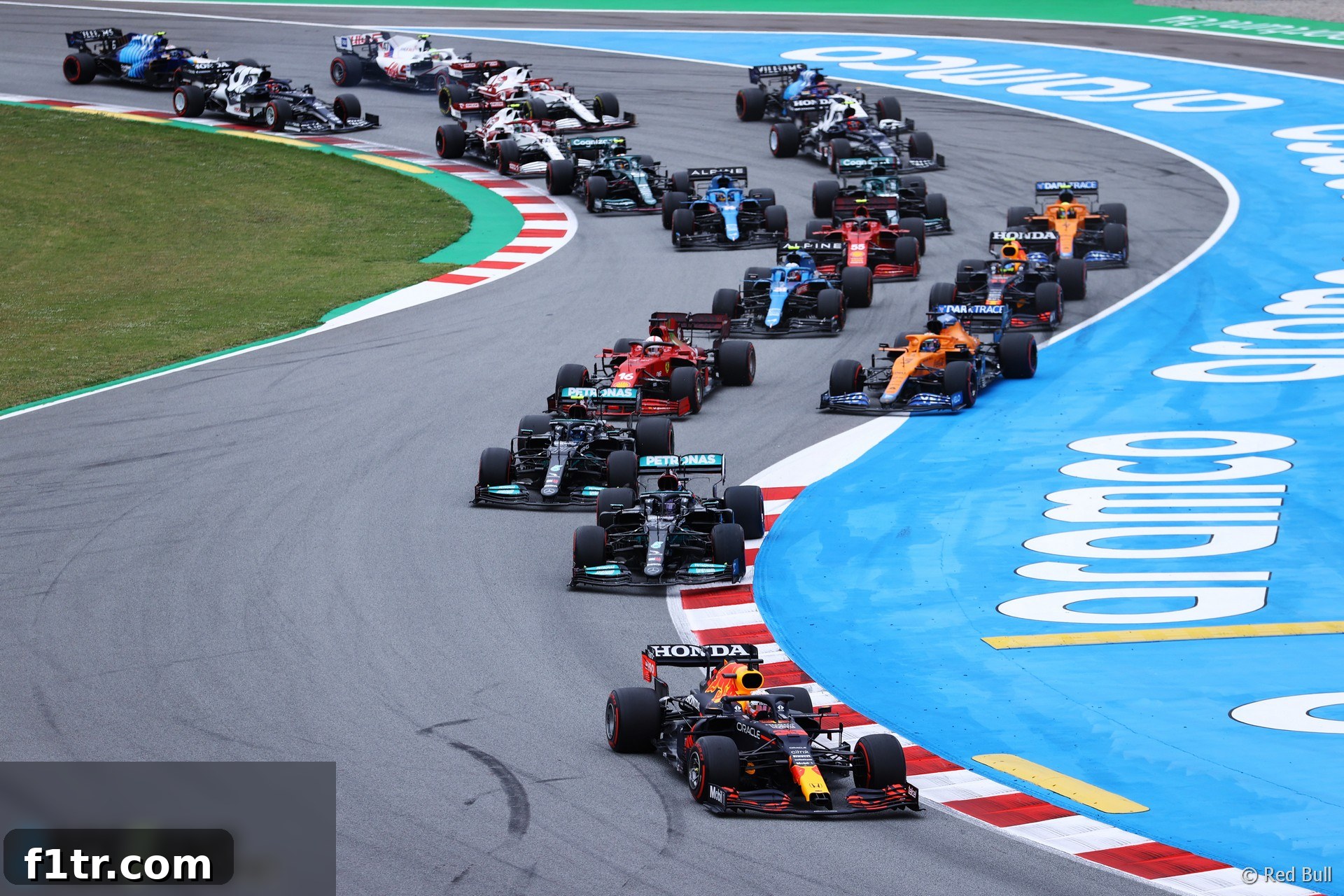
Formula 1 has officially announced a significant agreement that will ensure the Spanish Grand Prix remains a fixture on its thrilling global calendar. The prestigious race is set to continue at the iconic Circuit de Catalunya, located just outside Barcelona, through to at least the 2026 season. This multi-year extension solidifies the future of one of F1’s most established European events, much to the delight of fans and the motorsport community.
Formula 1 Spanish Grand Prix: A Continued Legacy in Barcelona
The announcement of the Spanish Grand Prix’s contract extension is a testament to the Circuit de Catalunya’s enduring appeal and its crucial role in the Formula 1 season. Previously, the track was slated to host the sixth round of the 2022 F1 calendar, contingent upon a new deal being struck. This new agreement not only secures its place for several more years but also brings with it a promise of substantial improvements.
For decades, the Spanish Grand Prix has been a cornerstone of the Formula 1 championship, offering a challenging mix of high-speed corners and technical sections that truly test both drivers and machinery. Its position early in the European leg of the season often provides valuable insights into the pecking order of the teams, making it a highly anticipated event for both competitors and spectators alike. The commitment from Formula 1, coupled with the enthusiasm of the event’s promoter and regional authorities, highlights a shared vision for the future of motorsport in Spain.
Circuit de Catalunya: A Pillar of F1’s European Calendar
The Circuit de Catalunya has been the proud host of Spain’s round of the world championship every single year since its completion in 1991. Over these three decades, it has witnessed countless memorable moments, from thrilling overtakes to dramatic championship deciders. Its design, which features a long main straight and a variety of corner types, makes it a popular venue for pre-season testing due to its comprehensive nature, allowing teams to gather crucial data on their new cars.
The circuit’s layout has evolved over time to enhance both safety and the racing spectacle. A notable change occurred ahead of this year’s race, where the slow Turn 10 was eased. This modification was primarily aimed at improving the circuit’s suitability for motorcycle racing, demonstrating the venue’s versatility and commitment to catering to different motorsport disciplines. Such adjustments underscore the ongoing efforts to keep the circuit modern and adaptable to the evolving demands of top-tier racing.
Major Upgrades to Enhance Race Experience and Facilities
A significant part of the newly signed deal includes a commitment to substantial upgrades to the Circuit de Catalunya and its surrounding facilities. These improvements are slated to be completed before the next Grand Prix in May, promising an enhanced experience for everyone involved. These upgrades are not merely cosmetic; they are designed to modernize the infrastructure, improve logistical efficiency, and elevate the overall fan experience.
Anticipated enhancements may include improvements to spectator stands, hospitality areas, paddock facilities for teams, and general infrastructure such as access roads and parking. Such investments are vital for any modern Formula 1 venue, ensuring it meets the high standards expected by Formula 1, its teams, and its global fanbase. These upgrades aim to ensure that Circuit de Catalunya remains a world-class facility, capable of hosting not just Grand Prix races but also a range of other major international events.
Barcelona to Host Crucial Pre-Season Testing
Beyond the Grand Prix itself, the Circuit de Catalunya is also expected to play a critical role in the lead-up to the 2022 season by hosting the first pre-season test next year. Barcelona has long been a favoured location for F1 testing, primarily due to its reliable weather conditions and the versatile nature of its track layout. The circuit offers a balanced mix of high-speed sections, technical corners, and heavy braking zones, making it an ideal proving ground for new car designs and components.
Pre-season testing is an indispensable period for Formula 1 teams. It’s their first real opportunity to shake down their new challengers, evaluate performance, understand tyre behaviour, and fine-tune their setups before the championship battle begins. Hosting the initial test in Barcelona provides teams with a stable and familiar environment to conduct these crucial preparations, setting the tone for their season ahead. The circuit’s extensive facilities and experienced personnel also contribute to its reputation as a premier testing venue.
Driving Towards a Sustainable Future: F1 and Circuit de Catalunya’s Green Commitment
Perhaps one of the most forward-thinking aspects of the new contract is the mutual commitment to sustainability. Formula 1, under the leadership of CEO Stefano Domenicali, has placed a strong emphasis on reducing its environmental footprint and promoting sustainable practices across all its operations. Domenicali expressed gratitude to the event’s promoter and the regional authorities “for their enthusiasm and commitment to keeping Formula 1 in Barcelona, with improvements that will be made to the track and facilities, and continuing our long history together.”
This commitment extends beyond mere words, as articulated by the regional minister of business and labour, Roger Torrent. He stated that the new deal includes “a mutual commitment clause to help us turn Circuit Barcelona-Catalunya into a model and world benchmark of sustainability applied to this type of facilities.” This vision aligns perfectly with Formula 1’s broader goal of achieving Net Zero Carbon by 2030, demonstrating how individual venues can contribute significantly to this overarching objective.
A Model for Green Transformation in Motorsport Venues
The ambition to transform Circuit Barcelona-Catalunya into a sustainability benchmark is a significant step for motorsport. Torrent further emphasized, “We want the circuit to become an exponent of the green transformation and the adaptation of infrastructures to the demands of the climate emergency.” This suggests a comprehensive approach that will likely encompass various aspects of sustainable operations.
Potential initiatives could include the integration of renewable energy sources for powering the circuit facilities, advanced waste management systems to minimize landfill use, water conservation strategies, and the promotion of sustainable transport options for fans and personnel. Furthermore, the commitment might extend to sustainable procurement policies, biodiversity protection around the circuit, and engaging with the local community on environmental initiatives. By adopting these measures, Circuit de Catalunya aims to lead by example, showcasing how large-scale sporting events can operate responsibly in an era of increasing environmental awareness.
Economic and Community Impact of a Sustainable Grand Prix
Implementing such extensive sustainability initiatives not only benefits the environment but can also have positive economic and social impacts. By investing in green technologies and practices, the circuit can create new job opportunities, stimulate local green industries, and enhance its reputation as a responsible corporate citizen. A sustainable Grand Prix can also foster a stronger connection with the local community, engaging residents in environmental education and highlighting the importance of collective action against climate change. This holistic approach ensures that the Spanish Grand Prix continues to deliver excitement on track while contributing positively to the planet and its people.
The Evolving F1 Calendar: Balancing Tradition and Expansion
The securing of the Spanish Grand Prix’s future provides welcome stability amidst a dynamic Formula 1 calendar. As the sport continues its global expansion, negotiating new contracts with host venues remains a constant priority for F1 management. The Spanish deal underscores the importance of retaining historic and well-loved European circuits, even as new races are added to diverse regions worldwide.
The current state of F1’s calendar also sees other significant races awaiting new contracts. These include the Grand Prix at Imola, the highly anticipated Singapore night race, and the popular event at the Circuit of the Americas (COTA) in the United States. The successful negotiation with Circuit de Catalunya sets a positive precedent, demonstrating F1’s commitment to securing its future at key venues while it navigates the complexities of expanding its global footprint. This careful balance between traditional strongholds and new, exciting markets is crucial for the sport’s continued growth and popularity.
Formula 1’s Vision for the Future
Formula 1 CEO Stefano Domenicali’s vision for the sport emphasizes innovation, excitement, and social responsibility. The extended agreement with Circuit de Catalunya perfectly encapsulates this vision. It guarantees exhilarating racing action at a familiar and cherished venue, while simultaneously pushing the boundaries of what a major sporting event can achieve in terms of environmental stewardship. This blend of heritage, modernization, and a forward-looking approach to sustainability positions the Spanish Grand Prix, and indeed Formula 1 as a whole, for a vibrant and impactful future. The commitment to continuous improvement, both on and off the track, ensures that the spectacle of Formula 1 remains relevant, engaging, and responsible for generations to come.
Advert | Become a RaceFans supporter andgo ad-free
2022 F1 season
- Mercedes told me “you’re wrong” about 2022 car’s problems – Hamilton
- FIA confirms all 10 F1 teams complied with 2022 cost cap
- Steiner “not ashamed” of panning “slow” Schumacher in Drive to Survive
- Albon believes year out of F1 improved him as a driver
- Hamilton sees diversity gains in F1 years on from his ‘traumatising’ experience of racism
Browse all 2022 F1 season articles