The Inaugural Virtual Bahrain Grand Prix: Formula 1 Stars Enter the Digital Arena
Advert | Become a Supporter & go ad-free
In an unprecedented turn of events that reshaped the global sporting landscape, the Formula 1 season faced an unexpected hiatus. To keep the thrill of racing alive and engage its vast fanbase, F1 boldly launched its innovative Virtual Grand Prix series. The very first installment, the Virtual Bahrain Grand Prix, emerged as a landmark event, fusing the excitement of elite motorsport with the rapidly growing world of esports. This pioneering initiative brought together an eclectic mix of current Formula 1 talent, revered former Grand Prix drivers, and a host of celebrity guests, all set to compete on a virtual rendition of the challenging Bahrain International Circuit.
This historic 28-lap race, meticulously simulated on the highly acclaimed F1 2019 video game, served as a vital bridge between the physical and digital realms of motorsport. It was a testament to Formula 1’s adaptability and commitment to maintaining fan engagement during a period of global uncertainty. While invitations were extended to all ten Formula 1 teams, encouraging them to field their premier drivers, the final entry list for this eagerly anticipated event confirmed the participation of two active F1 stars: McLaren’s charismatic young gun, Lando Norris, and Williams’ fresh face, Nicholas Latifi. Their involvement immediately injected a significant dose of authenticity and excitement, offering fans a unique opportunity to witness their real-world heroes battle it out in a highly competitive virtual environment.
Current F1 Drivers Embrace the Virtual Challenge
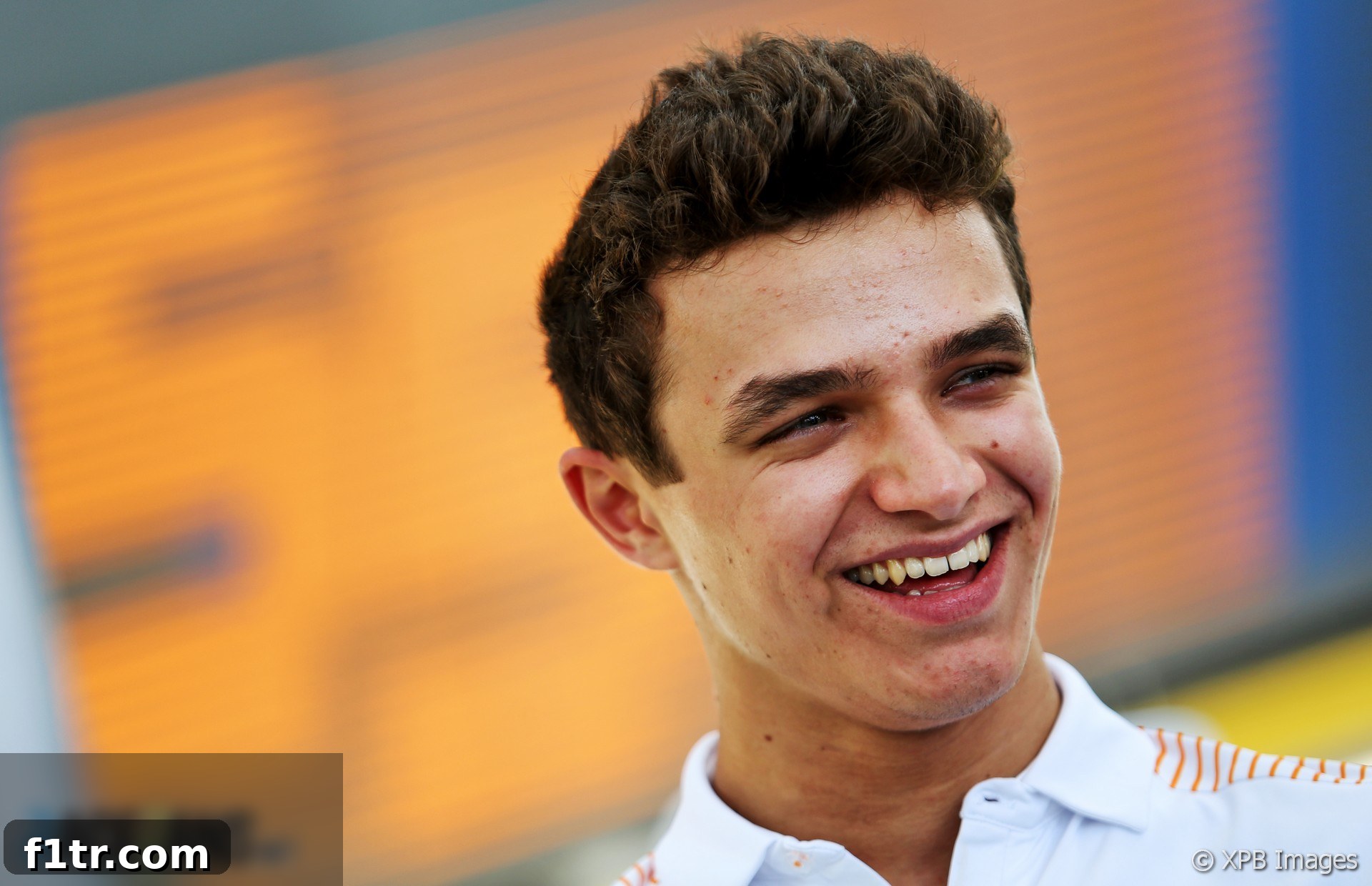
The participation of Lando Norris was particularly anticipated, given his well-documented passion for sim racing and his extensive experience in virtual competitions, often showcased to millions via his popular live streams. Norris, with his inherent skill and comfort in the F1 2019 game, was undoubtedly one of the favorites, embodying the new generation of drivers equally adept on the real track and in the digital cockpit. Joining him on the grid was Nicholas Latifi, a rookie in the actual Formula 1 championship. Latifi’s decision to compete underscored his dedication and willingness to adapt to new formats, representing his team with determination in this novel competitive landscape. Their commitment to the Virtual Grand Prix series highlighted the increasing importance of esports within the professional motorsport ecosystem, demonstrating how elite drivers are seamlessly transitioning between physical and virtual racing disciplines.
Understanding the Absence of Other F1 Stars
While the presence of Norris and Latifi was a major draw, the inaugural event also saw some notable absences from the current F1 grid, with drivers citing various practical and personal reasons. Red Bull Racing’s formidable talent, Max Verstappen, candidly explained his decision, noting his preference and superior proficiency on other simulator platforms rather than F1 2019. This revealed that even for top-tier drivers, expertise can be game-specific, requiring distinct adaptations and practice. Similarly, Haas driver Romain Grosjean expressed his desire for more dedicated practice time to hone his skills in F1 2019 before feeling adequately prepared to compete at such a high level. His comments emphasized that virtual racing, like its real-world counterpart, demands significant preparation and familiarity to perform at peak.
Adding another dimension to the reasons for non-participation, Ferrari’s Carlos Sainz Jnr shared through social media that he simply lacked the necessary high-quality equipment at his current location to effectively compete. These insights provide a fascinating glimpse into the logistical and technical challenges associated with professional virtual racing, where a dedicated setup – including wheels, pedals, and powerful PCs – is as crucial as the driver’s talent. Such details underscore that even in the virtual realm, the pursuit of competitive advantage often begins with the right tools and a significant commitment of time.
A Star-Studded Grid: From F1 Legends to Celebrity Racers
The Virtual Bahrain Grand Prix was significantly enriched by the return of several beloved former Formula 1 drivers, who brought their wealth of real-world experience and enduring competitive spirit to the digital track. Fans were treated to the sight of veterans like Nico Hulkenberg, Stoffel Vandoorne, Esteban Gutierrez, Anthony Davidson, and Johnny Herbert donning their virtual helmets. Their involvement not only added a nostalgic appeal but also ensured a high level of competition, proving that racing instincts remain sharp regardless of the medium.
Further amplifying the star power, Nicolas Hamilton, the brother of multiple world champion Lewis Hamilton, joined the lineup, competing for McLaren alongside Lando Norris. This unique family connection added a compelling personal narrative to the event. The grid also featured a diverse array of personalities from beyond traditional motorsport, including professional esports figures, international athletes, and popular online content creators. This eclectic mix of talent, ranging from seasoned professionals to burgeoning digital stars and mainstream celebrities, ensured the event captivated a broad and varied audience, making it a truly unique spectacle for race fans worldwide.
Event Format and Global Broadcast Reach
The exhilarating virtual event faithfully mirrored the structure of a real-world Formula 1 Grand Prix weekend, commencing with an intense qualifying session. This crucial stage allowed drivers to set their fastest laps and determine their starting positions for the main race, adding an immediate layer of strategy and raw speed demonstration. Following qualifying, the lights went out for the 28-lap main race, with all the drama and excitement characteristic of Formula 1. The event was strategically timed to begin at 8 pm GMT, ensuring maximum viewership across various time zones and allowing a global audience to tune in.
To maximize accessibility and engagement, the Virtual Bahrain Grand Prix was broadcast live across Formula 1’s official digital channels, including its highly popular YouTube account and other prominent social media platforms. This multi-platform broadcasting strategy proved highly effective, bringing the thrilling action directly into the homes of millions of fans worldwide. The live commentary, engaging camera angles, and interactive elements created a compelling viewing experience, demonstrating the significant potential of virtual motorsport to entertain and connect with a digitally savvy audience.
Advert | Become a RaceFans supporter andgo ad-free
The Complete Roster: A Diverse Field of Competitors
The full entry list for the inaugural Virtual Bahrain Grand Prix underscored the event’s commitment to diverse and engaging competition. Each of the ten Formula 1 teams was represented by two drivers, resulting in a fascinating mix of pairings that promised intriguing battles and unexpected outcomes. From seasoned F1 test drivers and former Grand Prix winners to rising stars in the sim racing community and well-known figures from various sports and entertainment sectors, the grid was a melting pot of talent. This comprehensive lineup was a cornerstone of the event’s widespread appeal, successfully drawing interest from a multitude of fan bases and showcasing the broad church of motorsport enthusiasm.
| Team | Number | Driver |
|---|---|---|
| Mercedes | TBC | Stoffel Vandoorne |
| Mercedes | TBC | Esteban Gutierrez |
| Ferrari | TBC | Robert Shwartzman |
| Ferrari | TBC | Dino Beganovic |
| Red Bull | TBC | Philip Eng |
| Red Bull | TBC | Chris Hoy |
| McLaren | TBC | Lando Norris |
| McLaren | TBC | Nicolas Hamilton |
| Renault | TBC | Guanyu Zhou |
| Renault | TBC | Ian Poulter |
| Alpha Tauri | TBC | Matthew Trivett (‘Sadokist’) |
| Alpha Tauri | TBC | Luca Salvadori |
| Racing Point | TBC | Nico Hulkenberg |
| Racing Point | TBC | Jimmy Broadbent |
| Alfa Romeo | TBC | Johnny Herbert |
| Alfa Romeo | TBC | Aamir Thacker (‘Cyanide’) |
| Haas | TBC | Anthony Davidson |
| Haas | TBC | Paul Chaloner (‘Redeye’) |
| Williams | 6 | Nicholas Latifi |
| Williams | TBC | Liam Payne |
The Ascendance of Virtual Motorsport in Unprecedented Times
The launch of the Virtual Grand Prix series, spearheaded by ground-breaking events like the Virtual Bahrain Grand Prix, represented a seismic shift for Formula 1 and the broader world of motorsport. With the traditional racing calendar severely impacted by global health concerns, virtual racing stepped into a critical void, providing a much-needed platform for both competitors to stay sharp and for fans to continue engaging with their beloved sport. This series was not merely a temporary diversion; it was a powerful statement of Formula 1’s resilience, its innovative spirit, and its unwavering commitment to its global audience. It deftly leveraged the immense popularity and capabilities of esports to bridge the gap until real-world racing could safely and responsibly resume, proving that the heart of motorsport beats strong even in the digital realm.
The resounding success of the Virtual Bahrain Grand Prix, characterized by its compelling blend of professional racing drivers and enthusiastic celebrity newcomers, served to solidify the growing legitimacy and immense popularity of sim racing. It unequivocally demonstrated that the core elements of motorsport – the fierce thrill of competition, the dramatic overtakes, the intricate strategic battles, and the sheer unpredictability – could all be authentically and captivatingly replicated in the digital sphere. Fans tuned in unprecedented numbers, captivated by the unexpected matchups and the unique, often lighthearted yet fiercely competitive, atmosphere. This seminal event stands as a powerful reminder of the universal and enduring appeal of motorsport, an appeal that transcends the specific format, whether it unfolds on a physical asphalt track or a meticulously rendered virtual circuit.
Lasting Legacy and Future Impact of the Inaugural Virtual Race
The Virtual Bahrain Grand Prix left an indelible mark on the landscape of Formula 1 and the wider esports community. Its success paved the way for a highly popular and engaging series of virtual races that became a regular fixture during the real-world F1 season’s prolonged hiatus. This pioneering event showcased Formula 1’s remarkable capacity to innovate, adapt, and forge deeper connections with a younger, digitally native audience, all while maintaining and invigorating its traditional fanbase. Beyond mere entertainment, the series frequently raised awareness for various charitable causes and provided a dynamic platform for drivers to maintain their competitive edge and public presence.
Ultimately, the Virtual Bahrain Grand Prix solidified the notion that esports is no longer a peripheral trend but an increasingly integral and indispensable component of motorsport’s future. It opened new, exciting avenues for competition, significantly enhanced fan engagement, and even offered novel pathways for driver development and talent scouting. In retrospect, the inaugural Virtual Bahrain Grand Prix was far more than just a fleeting virtual race; it was a profound testament to resilience, technological innovation, and the enduring, unbreakable passion for Formula 1. By uniting a diverse and captivating grid of talent, from elite F1 professionals to international celebrities, it crafted a truly unique and memorable spectacle that captivated millions and set an inspiring new benchmark for virtual motorsport during a profoundly challenging chapter in global history.