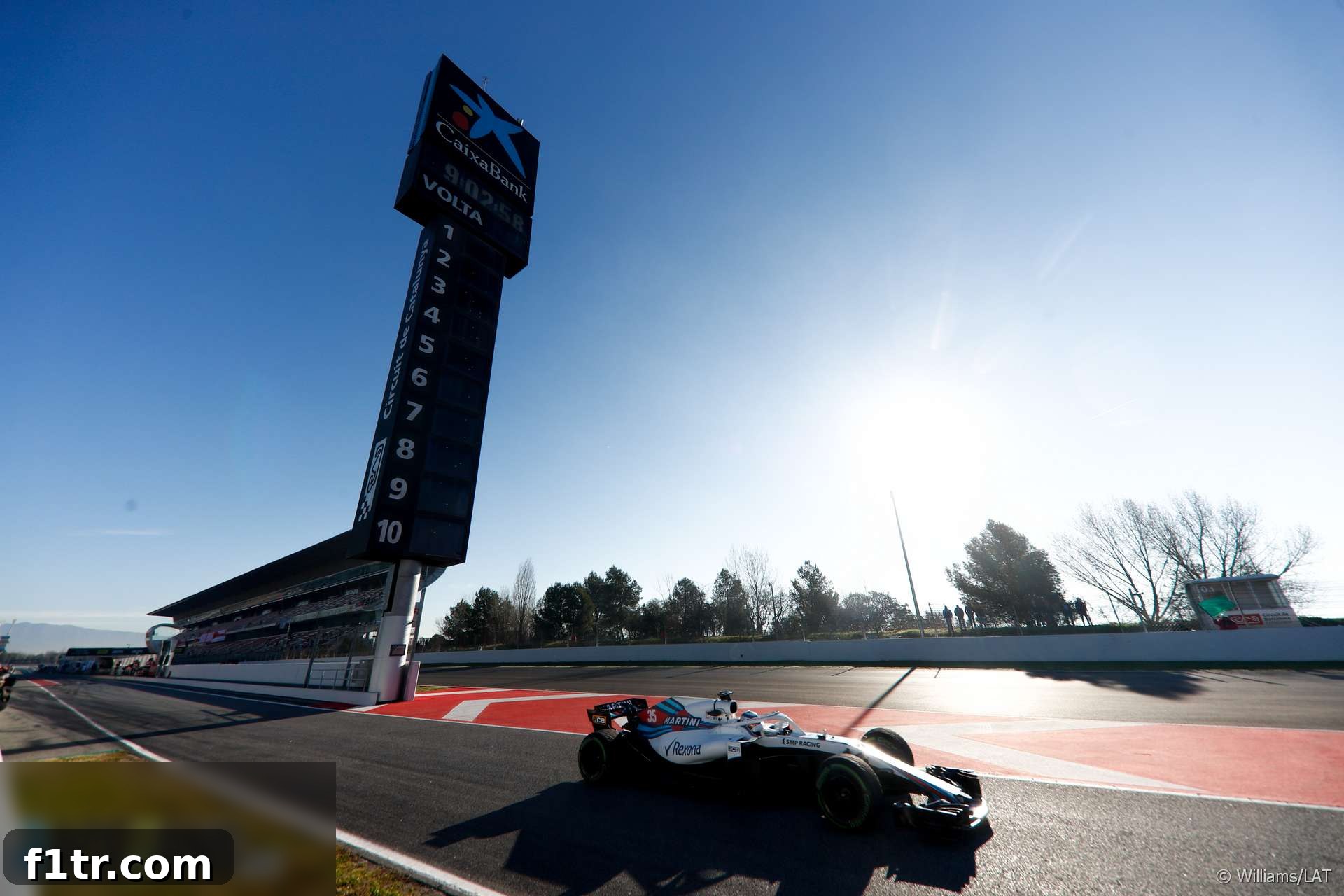
Anticipating the Elements: A Comprehensive Weather Outlook for the Spanish Grand Prix
As the Formula 1 paddock arrives at the iconic Circuit de Catalunya for the eagerly awaited Spanish Grand Prix, the prevailing weather forecast is shaping up to be a dynamic and influential factor throughout the race weekend. While predictions strongly indicate the presence of rain, there is a reassuring consensus that the main Grand Prix race on Sunday will likely avoid a wet track. This intricate weather pattern, transitioning from warm sunshine to significant rainfall and then back to clear skies, promises to add layers of strategic complexity and excitement to the event, demanding adaptability from every team and driver.
The progression of atmospheric conditions from Friday through Sunday will be a central theme, dictating everything from car setup to tyre management. The weekend is set to commence with a warm and sunny Friday, providing ideal conditions for vital practice sessions. This will be followed by a cloudier Saturday, leading into an anticipated overnight downpour that will profoundly impact the track. Finally, Sunday morning is expected to be damp but clearing, setting the stage for a dry yet potentially tricky race. Understanding these shifting elements is crucial for anticipating the strategic battles and on-track drama that define a Formula 1 Grand Prix.
Friday’s Favorable Start: Sun-Kissed Practice and a Memory of Snow
The Spanish Grand Prix weekend is scheduled to begin under exceptionally favorable conditions for the crucial opening practice sessions. Friday’s forecast predicts a warm and generously sunny day, offering teams an invaluable opportunity for uninterrupted running. Air temperatures are expected to comfortably exceed 20 degrees Celsius, creating a pleasant environment for both drivers and engineers to conduct their initial assessments. This welcoming weather stands in stark, almost unbelievable contrast to the memorable scenes just three months prior, when an unseasonal snowfall blanketed the Circuit de Catalunya during pre-season testing, adding an unexpected and challenging dimension to the teams’ preparatory work.
Such stable and pleasant conditions on Friday are paramount for teams. They allow for precise data collection regarding aerodynamic performance, tyre behaviour, and the overall balance of the car. The consistency in temperature and track state ensures that the information gathered during Free Practice 1 and 2 is highly representative, enabling engineers to make accurate adjustments without the confounding variables of fluctuating conditions. Drivers can confidently push their machines, exploring the limits of the track and building rhythm, which is vital for qualifying and the race. This initial period of stability is foundational, laying the groundwork for what promises to be an intensely competitive weekend, with every team striving to maximize their potential on a circuit where even minor gains can translate into significant advantages.
Temperature Dynamics and Pirelli’s Strategic Tyre Choice
Beyond the direct impact of rainfall, temperature is poised to be another critical factor throughout the Spanish Grand Prix weekend, particularly in its influence on tyre performance. With air temperatures forecast to remain above 20 degrees Celsius for the majority of the event, track temperatures are anticipated to climb significantly. The Circuit de Catalunya recently underwent a comprehensive resurfacing, featuring a new, darker asphalt compound. This darker material is known to absorb more solar radiation, which invariably leads to considerably higher track surface temperatures compared to previous years. During last year’s event, track temperatures peaked at a remarkable 47 degrees Celsius, and similar, if not higher, figures could be experienced given the sunny start to the weekend and the characteristics of the new tarmac.
These elevated track temperatures present a profound challenge for Formula 1 teams and drivers, making tyre management an even more pivotal aspect of race strategy. It is precisely this concern for excessive heat build-up, particularly within the sensitive rear tyres, that led F1’s official tyre supplier, Pirelli, to introduce a specific tyre compound for this Grand Prix: thinner-tread tyres. These specially designed tyres feature a reduced tread depth, engineered to minimize the volume of rubber in contact with the track, thereby mitigating issues such as blistering and excessive thermal degradation that can severely compromise performance over extended race stints. The primary goal of this strategic modification by Pirelli is to ensure that the tyres operate within their optimal temperature window for longer durations, promoting more consistent performance, facilitating closer racing, and allowing drivers to extract maximum potential without being overly concerned about premature wear.
However, the deployment of these thinner-tread tyres also introduces an additional layer of complexity to team strategies. While they are intended to enhance durability under high temperatures, they may also offer slightly different grip characteristics initially, requiring drivers to adapt their technique. Teams will need to rapidly acquire a comprehensive understanding of how their cars interact with these specific tyre compounds, not only in terms of degradation rates but also in finding the optimal mechanical and aerodynamic setup to unlock their full performance potential. This nuanced approach to tyre selection and management underscores the meticulous detail involved in Formula 1, where seemingly minor technical adjustments can profoundly influence the outcome of the race.
Saturday’s Shifting Skies and Sunday’s Race Day Riddle
The weather narrative for the Spanish Grand Prix is set to undergo a dramatic transformation as the weekend progresses. While Saturday itself is expected to be generally cloudier and slightly cooler than Friday, the most significant meteorological event is forecast to occur overnight from Saturday into Sunday. Around midnight, a prolonged period of rainfall is highly probable, with consistent precipitation anticipated to last well into Sunday morning. Several hours of steady rain will have a profound and undeniable impact on the Circuit de Catalunya’s surface.
The ‘Track Reset’: A Crucial Factor for Sunday
One of the most consequential effects of this predicted overnight downpour is what is commonly referred to as a ‘track reset.’ Over the course of Friday’s and Saturday’s dry running, a considerable amount of rubber, tyre debris, and track grip compounds accumulate on the racing line. This deposition of rubber, often described as ‘graining,’ progressively enhances grip levels and alters the circuit’s overall characteristics, making it faster and more predictable. However, several hours of persistent rainfall will effectively wash away this accumulated rubber and debris, returning the track surface to a ‘cleaner,’ less rubbered-in state. This means that when cars venture onto the circuit on Sunday, particularly for the morning’s support races and potentially even the initial phases of the Grand Prix, the available grip levels will be substantially lower than what drivers experienced during the dry practice sessions. Drivers will need to quickly recalibrate their feel for the circuit, and teams will have to meticulously consider how this influences their car setup, particularly concerning aerodynamic downforce levels and mechanical grip settings.
Sunday’s Drying Track: A Race Against Time
Despite the significant overnight rainfall, the positive news for the main Formula 1 race is that current forecasts indicate the precipitation is highly likely to cease well before the Grand Prix’s scheduled start time of 3:10 PM local. The sun is expected to reappear and assert its dominance in the afternoon, leading to a relatively rapid drying of the track surface. However, it is plausible that sections of the circuit, particularly shaded areas or corners notorious for collecting water, could remain damp during the morning’s support races and potentially even into the warm-up period for the F1 race. The speed at which the track transitions from damp to fully dry will be a critical variable. A swiftly drying track might prompt a quick switch from intermediate tyres to slicks for any early running, whereas a more gradual drying process could keep teams guessing about optimal tyre choices right up to the formation lap. This element of uncertainty adds an exciting and unpredictable strategic dimension, potentially rewarding those teams and drivers who demonstrate superior judgment and adaptability regarding track evolution.
Implications for Race Strategy and Driver Performance
The confluence of potential early dampness from the overnight rain and the specific characteristics of Pirelli’s thinner-tread tyres creates a compelling and challenging strategic landscape for the Spanish Grand Prix. Teams will need to exhibit extreme flexibility, prepared to make swift decisions regarding tyre compounds and adapt their car setups on the fly. The ‘track reset’ effect, caused by the rain, implies that the grip levels at the start of the race could be markedly different – and potentially lower – than what drivers experienced during Friday’s dry practice. This necessitates a cautious yet assertive approach in the opening laps, as finding the limit of grip will be crucial to avoiding errors and gaining positions. Overtaking opportunities, especially in the initial stages when conditions might still be tricky, could be amplified, rewarding bold maneuvers and precise car control from the drivers.
Furthermore, the combination of high anticipated track temperatures and the design of the thinner-tread tyres means that tyre degradation management will be an absolutely paramount factor. Teams that can expertly extract the maximum performance from their tyres while simultaneously maintaining optimal durability throughout a race stint will undoubtedly gain a significant competitive advantage. Pit stop strategy, including the precise timing of tyre changes and the ability to react effectively to evolving grip levels as the track rubbers-in, will be critical determinants of success. Drivers who excel at providing clear, concise feedback on track conditions to their engineers and who can consistently extract performance from challenging or rapidly evolving surfaces will unquestionably distinguish themselves in this complex race scenario.
Staying Informed: Real-Time Updates and Further Analysis
Given the inherently dynamic nature of both the weather and track conditions anticipated throughout the Spanish Grand Prix weekend, staying abreast of real-time information is absolutely essential for both devoted fans and participating teams. Live commentary from expert analysts, detailed trackside reports providing immediate observations, and official meteorological updates will offer crucial insights into how the conditions are evolving minute by minute. This continuous flow of information will be vital for comprehending the strategic decisions as they unfold, from the initial tyre choices made on the grid to any mid-race adjustments necessitated by changing grip levels or unexpected weather shifts. Diligently following reliable sources will ensure you are fully immersed in every thrilling twist and turn of this high-stakes Formula 1 event.
Further Reading: Exploring the 2018 Spanish Grand Prix
For those eager to delve deeper into the rich history and specific nuances surrounding this particular event, a curated collection of insightful articles provides comprehensive coverage. These pieces offer a look back at key performances, strategic decisions, and memorable moments that defined the Grand Prix, enriching your understanding of the challenges and triumphs faced by the teams and drivers.
- 2018 Spanish Grand Prix Star Performers
- F1’s Spanish stars remain closely matched in fourth season as rivals
- Top ten pictures from the 2018 Spanish Grand Prix
- Commanding win puts Hamilton’s bid for a fifth title on track
- Sirotkin was in severe pain from “dangerous” seat problem
Browse all 2018 Spanish Grand Prix articles