Advert | Become a Supporter & go ad-free
Major Driver Changes Rock Imola F2 and F3 Grids: Correa Sidelined by Injury, Bolukbasi and Simmons Also Out
The highly anticipated second round of the FIA Formula 2 and Formula 3 Championships at the iconic Imola circuit is set to feature a significantly altered driver lineup, with several prominent names being forced to withdraw due to injury and other circumstances. Among the most impactful changes, Juan Manuel Correa, a popular and resilient figure in Formula 3, will regrettably miss the weekend’s action, having sustained a leg fracture that surfaced following the season opener.
Juan Manuel Correa’s Challenging Road Continues as Imola Awaits Without Him
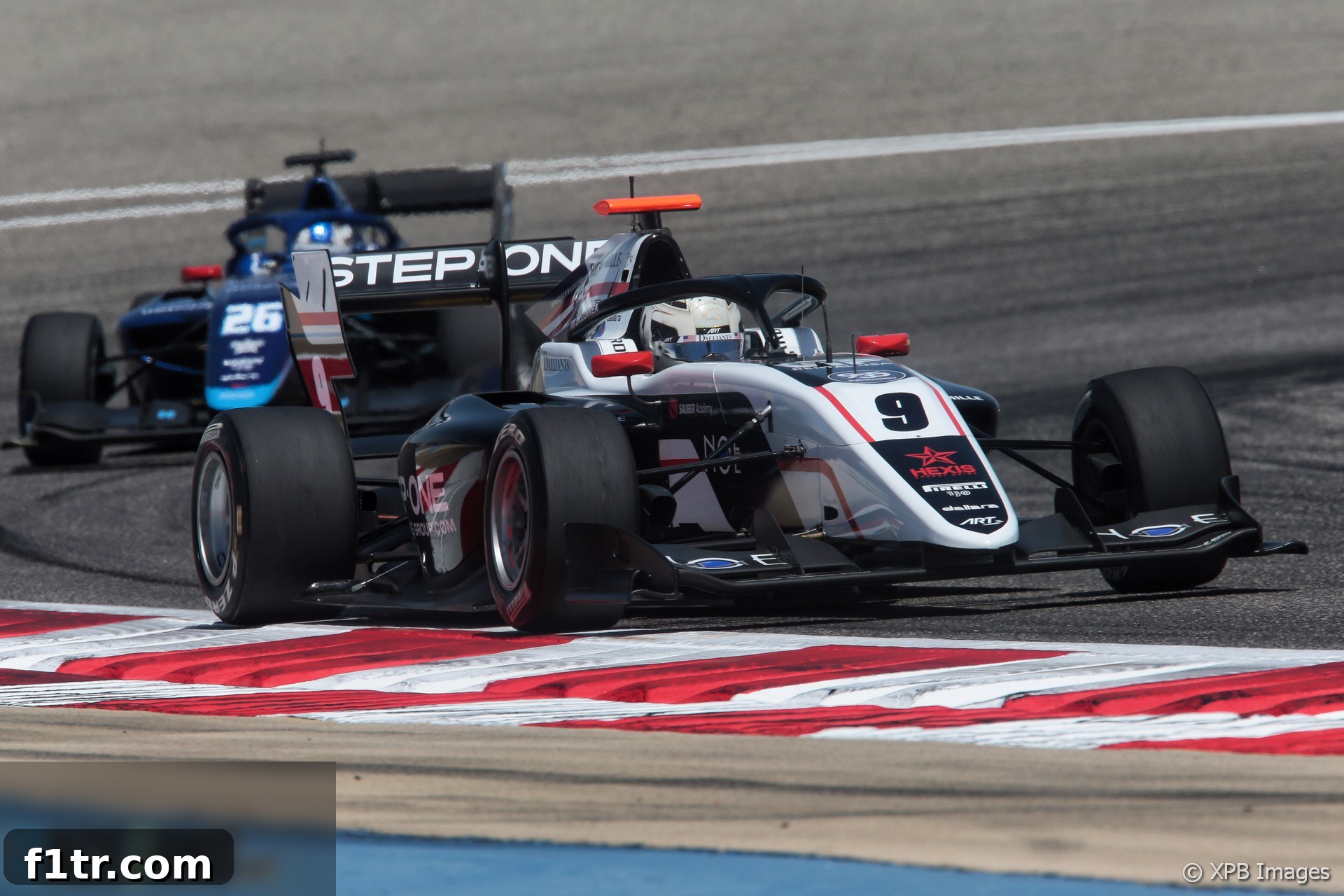
Juan Manuel Correa, the ART Grand Prix driver who impressively holds fifth position in the F3 standings after a strong performance in Bahrain last month, has confirmed his withdrawal from the Imola event. The decision comes after the discovery of a leg fracture, a setback that casts a shadow over his promising start to the season. Correa’s journey back to competitive motorsport has been nothing short of extraordinary, making this latest injury particularly poignant for fans and competitors alike.
The 22-year-old revealed two weeks prior that he had been experiencing persistent leg pain. This discomfort first manifested during the inaugural F3 weekend in Bahrain and resurfaced during the subsequent in-season test at Jerez. Following these worrying symptoms, a comprehensive MRI scan was conducted, which unequivocally diagnosed a fracture. Medical professionals have advised several weeks of crucial rest to ensure proper healing and avoid further complications, a recommendation Correa has responsibly heeded.
At the time of the diagnosis, the severity of the injury already ruled Correa out of an additional F3 test and an ELMS (European Le Mans Series) round at Paul Ricard, where he was scheduled to compete. Even then, the prospect of participating in the Imola F3 round was explicitly stated to be “in doubt,” a doubt that has now unfortunately materialized into a definite absence.
In a heartfelt and candid social media post today, Correa conveyed his deep disappointment but firm resolve: “I’ve taken the difficult decision not to race in Imola. Very sad to not be there, but after assessments with my doctors, and with the profile of the injury, we feel the risk of making the injury worse is too high. I’ll be cheering ART GP on from home and I hope to be back soon.” His statement underscores the inherent risks in motorsport and the paramount importance of driver health and long-term well-being over immediate competitive aspirations.
A History of Resilience: Correa’s Unforgettable Comeback
This latest injury, while frustrating, must be viewed in the context of Juan Manuel Correa’s incredible fortitude. Fans will recall the horrific multi-car crash during the 2019 Formula 2 race at Spa-Francorchamps, an incident that tragically claimed the life of Anthoine Hubert and left Correa with severe injuries to both of his legs. His recovery from that life-threatening event was a testament to his immense courage and dedication, involving more than 20 complex surgeries and a medically induced coma. Against all odds, Correa made a triumphant return to racing in Formula 3 last season, a comeback widely celebrated as one of the most inspiring stories in recent motorsport history. His determination to return to the highest levels of junior racing, after such profound physical trauma, speaks volumes about his character and passion for the sport.
ART Grand Prix, one of the most successful teams in junior formulae, confirmed that they will not be fielding a replacement driver in Correa’s car for the Imola weekend. This means that the team’s challenge will rest solely on the shoulders of their remaining two drivers, Victor Martins and Grégoire Saucy. In a supportive statement, the team expressed: “Victor Martins and Grégoire Saucy will be the only two ART drivers racing this weekend. We wish JM a quick recovery. See you soon on track.” This decision to run a two-car entry rather than seek a last-minute substitute reflects either a strategic choice to focus resources or the logistical challenges of finding a suitable and competitive driver on short notice. The F3 calendar offers a four-week respite following the Imola round before the championship resumes in Spain, providing Correa with a crucial window for recuperation.
Further Driver Changes in Formula 2 and Formula 3 Add Intrigue to Imola Weekend
The driver lineup changes are not exclusive to Formula 3. The Formula 2 grid will also see an important substitution. Cem Bolukbasi, the Turkish driver for Charouz Racing System, will unfortunately miss the Imola rounds after being diagnosed with a fractured rib. Bolukbasi, who made the remarkable transition from professional sim racing to real-world F2 competition, has faced a challenging start to his rookie season, and this injury is an untimely setback. Charouz swiftly announced a replacement, confirming today that experienced German driver David Beckmann will make a return to the team to stand in for Bolukbasi this weekend. Beckmann brings valuable F2 experience, having competed in various rounds previously, and will be looking to make the most of this unexpected opportunity.
In another intriguing development within the Formula 3 paddock, Ayrton Simmons will vacate his Charouz seat. His place will be taken by David Schumacher, in what is widely presumed to be a one-off return to the series. Simmons had competed in the first round of the championship and participated in the initial in-season test. However, Schumacher subsequently replaced him for the second test held in Barcelona, hinting at the potential change that has now been confirmed. These kinds of mid-season driver rotations are not uncommon in junior formulas, often influenced by performance, funding, or strategic decisions by the teams and drivers involved. David Schumacher, son of former F1 driver Ralf Schumacher, has previous F3 experience and will be keen to demonstrate his capabilities once more.
The Demands and Resilience of Junior Motorsport
These last-minute changes underscore the incredibly demanding nature of junior motorsport. Drivers are under immense pressure to perform, but also face the ever-present risks of high-speed racing. Injuries, unfortunately, are a part of the sport, and the decisions made by drivers, teams, and medical professionals prioritize long-term health and career sustainability. The resilience displayed by drivers like Juan Manuel Correa, returning from devastating injuries, serves as a powerful reminder of the passion and determination required to compete at this level. Similarly, the ability of teams to adapt quickly to unexpected circumstances, bringing in experienced substitutes like David Beckmann or David Schumacher, highlights the depth of talent available in the feeder series and the dynamic nature of their driver markets.
Imola, known for its challenging layout and rich motorsport history, will undoubtedly provide a stern test for all competitors. The circuit, with its high-speed sections and technical corners, demands precision and absolute physical fitness. Racing at such a venue with any lingering injury would be a significant risk, validating the difficult decisions made by Correa and Bolukbasi. Despite these changes, the Formula 2 and Formula 3 championships are set to deliver thrilling racing, showcasing the next generation of motorsport stars as they navigate both the track and the unexpected twists of their careers.
Advert | Become a RaceFans supporter andgo ad-free
Formula 3
- McLaren drop three drivers from junior roster and hire FREC runner-up De Palo
- Lawson: Tsunoda ‘had his time – I beat him in the junior series’
- F3 driver’s penalty cancelled after FIA asks stewards to review decision
- Antonelli and Bearman’s F1 graduations show the limitations of its feeder series
- Win-less Fornaroli clinches F3 title with last-lap pass in epic Monza finale
Browse all Formula 3 articles