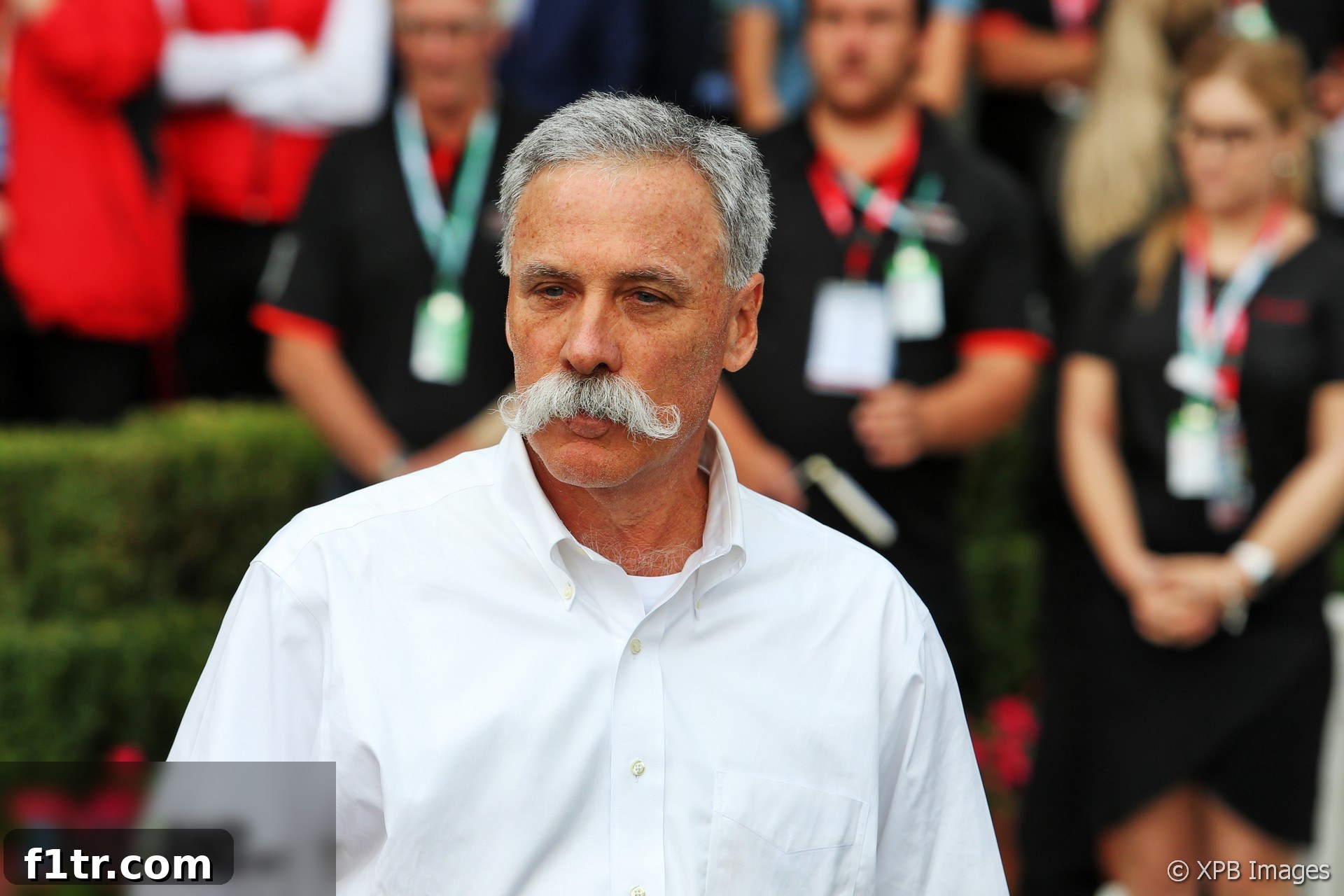
The exhilarating world of Formula 1 found itself navigating unprecedented waters in 2020, as a global crisis brought the fast-paced championship to an unexpected halt. Amidst widespread uncertainty, Formula 1 Chairman and CEO, Chase Carey, emerged with a message of cautious optimism, outlining a robust plan to salvage the season. Carey expressed a strong expectation for racing to resume during the summer months, with an ambitious target of holding a revised calendar featuring at least 15 to 18 Grand Prix events. This declaration provided a glimmer of hope for fans, teams, and partners eagerly awaiting the roar of engines once more.
The initial impact of the global health emergency was swift and severe, forcing the postponement or outright cancellation of the first eight races on the meticulously planned 2020 F1 calendar. This immediate disruption sent shockwaves through the sport, leaving many wondering about the feasibility of a championship season. At the time of initial assessments, the Canadian Grand Prix, originally scheduled for June 14th, stood as the first race date not yet officially called off, underscoring the dynamic and ever-changing nature of the global situation that Formula 1 leadership was attempting to navigate. However, the fluid reality of the pandemic meant that this, like many other hopeful dates, would inevitably be subject to further review and alteration.
The Global Pandemic’s Impact on the 2020 F1 Calendar
A Season in Limbo: Initial Postponements and Cancellations
The sudden and escalating nature of the global health crisis presented an existential threat to the 2020 Formula 1 season. With governments worldwide implementing stringent travel restrictions, social distancing measures, and large gathering bans, the traditional Grand Prix format became untenable. The season opener in Australia was dramatically called off just hours before free practice was due to begin, setting a precedent for the difficult decisions that lay ahead. Following this, iconic races such as the Bahrain, Vietnam, Chinese, Dutch, Spanish, and Azerbaijan Grand Prix all faced similar fates, pushing back the start of the championship indefinitely. This period of suspension was a stark reminder of the sport’s global footprint and its vulnerability to international crises.
Among the most significant early casualties were two beloved and historically rich events: the Australian Grand Prix and the Monaco Grand Prix. Promoters for both races confirmed their inability to reschedule, marking them as outright cancellations for the 2020 season. The loss of the Monaco Grand Prix, in particular, a jewel in the F1 crown, highlighted the severity of the situation and the depth of the challenges faced by the sport’s organizers. These early cancellations underscored the fact that Formula 1 was prepared to make tough choices to prioritize public health and safety, even if it meant sacrificing some of its most prestigious events. The prospect of losing between four and seven races from the original 2020 calendar became a stark reality, demanding innovative solutions from the sport’s leadership.
Crafting a New Schedule: The Path to 15-18 Races
Despite the initial setbacks and the ongoing global challenges, Chase Carey articulated a clear vision for salvaging a meaningful championship season. The target of 15 to 18 races, while a reduction from the original 22-event calendar, represented a robust commitment to delivering a competitive and compelling spectacle for fans. Achieving this required an unprecedented level of flexibility and collaboration across all stakeholders, from race promoters and national governments to teams and broadcast partners. The emphasis shifted from simply rescheduling individual races to redesigning an entire season from the ground up, with adaptability as its guiding principle.
Overcoming Logistical Hurdles: Travel, Venues, and Safety
The path to a revised 2020 Formula 1 calendar was fraught with significant logistical complexities. Carey openly acknowledged the multitude of problems that needed to be resolved before racing could safely resume. Paramount among these were the varying international travel restrictions and the imperative for citizens globally to practice ‘social distancing.’ Organizing a Grand Prix involves the movement of thousands of personnel, vast quantities of equipment, and often, spectators from multiple countries. Ensuring the health and safety of all involved, from drivers and pit crews to track marshals and event staff, became the absolute top priority. This necessitated meticulous planning for isolation protocols, testing regimes, and modified operational procedures at every potential venue.
Furthermore, securing suitable venues that could meet these new stringent requirements posed another challenge. Each host country presented its own unique set of regulations and public health directives. The F1 management team had to engage in continuous dialogue with local authorities, assessing the feasibility of holding events under different scenarios – including the possibility of ‘closed-door’ races without spectators, a concept previously unimaginable for the sport. This adaptability extended to considering multiple races at the same circuit over consecutive weekends, or geographical grouping of events to minimize travel and reduce the risk of transmission. The objective was clear: to create a viable racing environment that was both exciting for fans and, crucially, safe for all participants.
Extending the Racing Window: Beyond the Traditional End Date
A crucial component of Formula 1’s strategy to maximize the number of races was the radical decision to extend the 2020 season beyond its conventional closing date. Typically, the championship concludes in late November, adhering to a well-established global sporting calendar. However, given the extraordinary circumstances, Carey confirmed that the season’s end date would inevitably stretch beyond the originally planned November 27-29 weekend. This extension allowed for greater flexibility in scheduling the remaining races, providing more breathing room for potential further delays or adjustments. It also signaled a willingness to break from tradition to ensure the integrity of the championship.
Moreover, Formula 1 planned to strategically utilize the summer break, which was brought forward to March and April as an initial response to the crisis. This meant that what would normally be a period of factory shutdowns and driver holidays would instead become a prime window for rescheduled races. By racing during the normal summer break period, and pushing the season’s conclusion into December, Formula 1 aimed to create a condensed yet comprehensive calendar. This innovative approach highlighted the sport’s agility and determination to deliver a full championship, even if it meant a significantly altered sequence and schedule of races compared to the original 2020 blueprint.
Innovating Through Adversity: F1’s Vision for the Future
While the immediate focus was on rescheduling races, Chase Carey also emphasized that the hiatus provided a unique opportunity for Formula 1 to look inward and evolve. This period of enforced downtime was viewed not merely as a pause, but as a chance to “evolve the sport, experiment and try new things.” This forward-thinking approach aimed to leverage the break to strengthen F1’s engagement with its audience and partners, ensuring its long-term appeal and resilience. The challenges of 2020 were seen as a catalyst for innovation, prompting a re-evaluation of how Formula 1 operates, connects, and entertains on a global scale.
Boosting Digital Engagement: Esports and Rich Content
A key area for growth and experimentation during the enforced break was the expansion of Formula 1’s digital platforms, particularly its flourishing Esports initiatives. With live sporting events on hold, virtual racing gained unprecedented traction, drawing in new fans and providing a competitive outlet for professional drivers and sim racers alike. F1 Esports had already established a strong foundation, and the hiatus presented an ideal moment to amplify its reach and appeal, creating immersive and interactive content that kept the community engaged. This demonstrated how digital innovation could bridge the gap when traditional racing was not possible, maintaining a vibrant connection with the sport’s dedicated following.
Beyond Esports, Formula 1 committed to developing more innovative content, drawing inspiration from the phenomenal success of series like Netflix’s “Drive to Survive.” This critically acclaimed documentary series had already proven instrumental in attracting a new generation of fans to the sport, offering an unparalleled behind-the-scenes look at the drama and personalities of F1. The goal was to build on this success, exploring new creative ways to tell the sport’s stories, engage viewers, and offer unique perspectives that transcended the racetrack. This content strategy aimed to drive ongoing value for all members of the F1 ecosystem, from broadcast partners to the global fanbase, ensuring that Formula 1 remained a compelling narrative even in challenging times.
Strengthening Partnerships and Fan Connections
The period of uncertainty also presented an opportunity to reinforce the relationships within the Formula 1 ecosystem. By investing in new initiatives and innovative content, F1 aimed to drive sustained value for its diverse array of sponsor partners, broadcast partners, race promoters, teams, and, crucially, its millions of fans. Maintaining strong connections with these stakeholders was paramount during a period when traditional revenue streams were severely impacted. Providing alternative platforms for visibility and engagement, through digital content and Esports, became a vital strategy to ensure loyalty and continued investment in the sport’s future. The commitment to innovation underscored F1’s dedication to its entire community, proving its resilience and adaptability.
The collaborative spirit fostered during this period was essential. Working closely with teams to manage financial implications, with promoters to explore new event formats, and with broadcasters to deliver compelling content, Formula 1 demonstrated its ability to unite its various components under a common goal: to overcome adversity and return stronger. This collaborative ethos was not just about survival; it was about laying the groundwork for future growth and ensuring that the fantastic sport of Formula 1 continued to captivate audiences worldwide, long after the immediate crisis had passed.
The Road Ahead: Challenges, Resilience, and Anticipation
The Fluidity of the Situation: Awaiting Further Clarity
While Chase Carey outlined a clear direction for the 2020 Formula 1 season, he maintained a realistic perspective regarding the inherent uncertainties. He openly admitted that it was “not possible to provide a more specific calendar now due to the fluidity of the current situation.” This acknowledgment reflected the dynamic and unpredictable nature of the global pandemic, where national regulations and health guidelines could change rapidly. The sport’s leadership understood the need for patience and flexibility, recognizing that definitive plans could only be formulated once a clearer picture emerged from each of the potential host countries.
The coming months were deemed crucial for gaining deeper insights into the specific situation within each nation, as well as understanding the evolving issues related to international travel. This meticulous, country-by-country assessment was vital for creating a truly viable and safe racing schedule. The commitment to transparency and careful planning, rather than rushing into premature decisions, underscored F1’s responsible approach during a global crisis. The anticipation for these clearer insights was palpable, as the entire F1 community awaited the green light to resume what they do best: high-octane, world-class motor racing.
Looking Forward: The Enduring Spirit of Formula 1
The challenges of the 2020 season served as a profound test of Formula 1’s resilience and adaptability. Under the leadership of Chase Carey, the sport demonstrated a remarkable capacity for strategic thinking, innovation, and unwavering commitment to its core mission. The ambition to deliver a 15-to-18-race season, coupled with the foresight to leverage digital platforms and innovative content, positioned Formula 1 not just for recovery, but for future growth. The decisions made during this period of crisis were not merely about navigating immediate hurdles; they were about defining the future trajectory of the sport, ensuring its continued relevance and excitement for generations to come.
As the world slowly began to reopen, the spirit of Formula 1 remained undimmed. The promise of engines roaring in the summer, albeit under revised circumstances, carried with it the hope of a return to normalcy and the thrill of competitive sport. The dedication of teams, drivers, and organizers to overcome unprecedented obstacles underscored the passion that drives this unique championship. While the 2020 season undoubtedly presented its fair share of difficulties, it also became a testament to the enduring appeal of Formula 1 – a sport that thrives on speed, innovation, and the relentless pursuit of excellence, no matter the challenge.
2020 F1 Season Outlook
The 2020 Formula 1 season, marked by its extraordinary circumstances, continues to be a topic of immense interest and discussion. From the initial cancellations to the innovative plans for resuming racing, the season’s unfolding narrative captivated audiences worldwide. For a comprehensive overview of the unprecedented events, strategic decisions, and the dramatic on-track action that defined this unique championship, further articles and detailed analyses are readily available. These resources provide deeper insights into how Formula 1 navigated the challenges, adapted its operations, and ultimately delivered a memorable season that showcased its enduring spirit and global appeal.