The motorsport world was plunged into mourning following the tragic incident at Spa-Francorchamps, which claimed the life of promising Formula 2 racer Anthoine Hubert. As the championship prepares to resume at the iconic Monza circuit this weekend, the profound impact of the crash will be evident, with a significantly reduced grid of cars taking to the track. The absence of three machines serves as a stark reminder of the somber events that unfolded just days prior, prompting reflection on safety, resilience, and the inherent risks of competitive racing.
A Tragic Shadow Over Spa-Francorchamps
The devastating multi-car accident occurred on the second lap of Saturday’s sprint race at the legendary Spa-Francorchamps circuit in Belgium. The incident involved several drivers, but tragically resulted in the fatality of Anthoine Hubert, a highly respected and talented driver in the Formula 2 paddock. French authorities and motorsport governing bodies swiftly launched an investigation into the precise circumstances of the crash, a standard and crucial procedure following any such serious incident in motorsport.
Beyond the immediate human tragedy, the aftermath of the crash necessitated comprehensive inquiries by the relevant authorities. These investigations are meticulous, involving forensic examination of the vehicles, track conditions, and race data to understand the chain of events and identify any potential contributing factors. It is a painstaking process designed not only to ascertain responsibility but, more importantly, to learn valuable lessons that can be applied to further enhance safety protocols across all levels of motorsport.
The emotional toll on the entire Formula 2 community, including drivers, teams, marshals, and fans, was immense. The decision was made to cancel the remaining races at Spa-Francorchamps out of respect for Anthoine Hubert and to allow everyone involved to process the gravity of the situation. This collective pause underscored the unity and humanity within the competitive world of motorsport, where rivalries momentarily fade in the face of shared sorrow and solidarity.
The Monza Grid: Reflecting Loss and Resilience
As the championship heads to Monza, affectionately known as the ‘Temple of Speed’, the grid will feature only 17 cars, a noticeable reduction from the usual complement of 20. This diminished lineup directly reflects the ongoing investigation and the severe injuries sustained by one of the drivers involved. Each team’s situation offers a glimpse into the immediate challenges and the difficult decisions made in the wake of such a profound tragedy.
Trident’s Difficult Position and Driver Lineup
Italian outfit Trident has confirmed that one of its cars has been temporarily seized by the Belgian authorities as part of their ongoing investigation into the Spa crash. This seizure, a necessary step in forensic examination, has left the team with limited resources for the upcoming Monza round. Trident released a statement acknowledging the situation: “The Belgian authorities are investigating, and that led to the temporary seizure of some cars.”
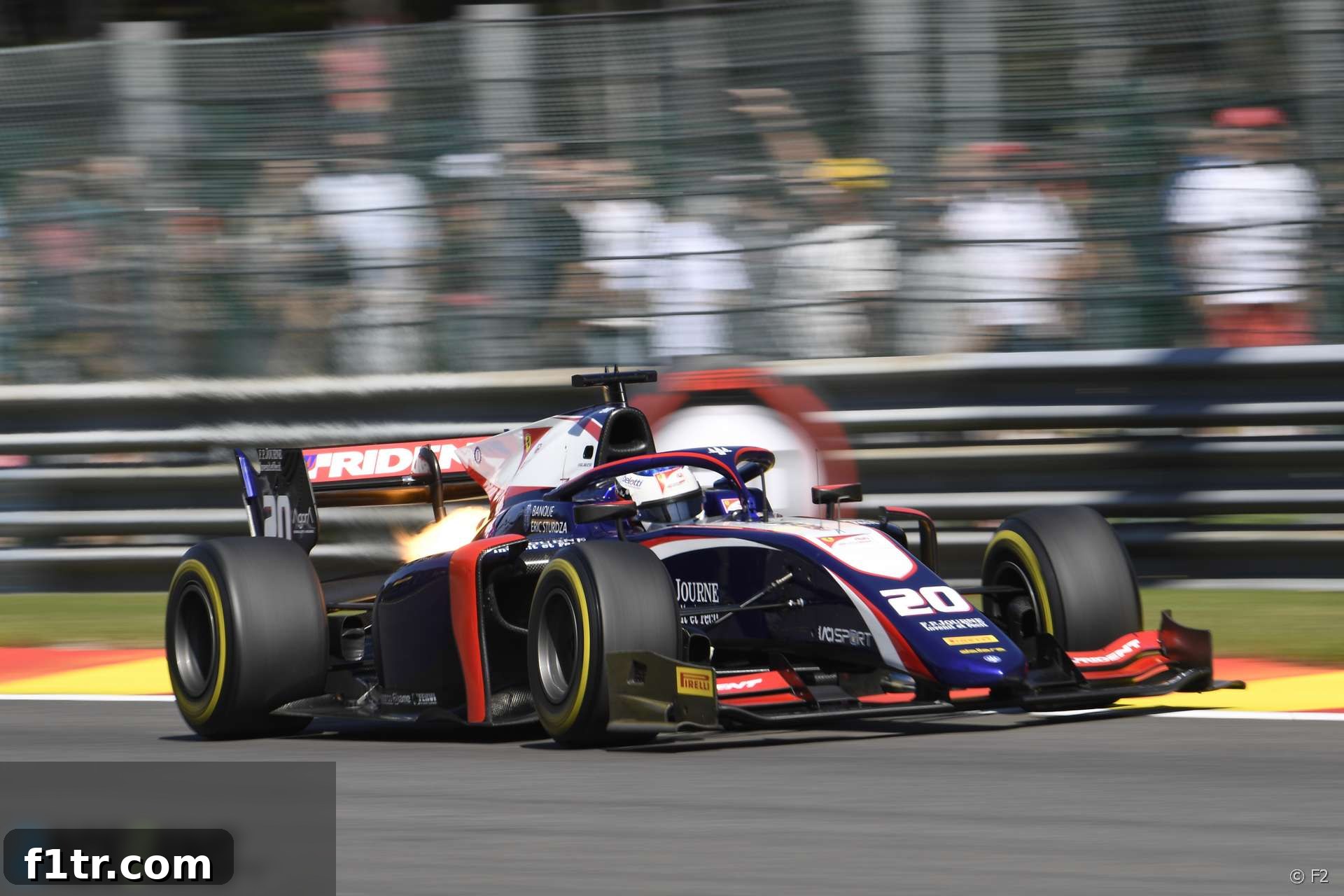
Consequently, the team’s lineup for Monza sees Ferrari Driver Academy prospect Giuliano Alesi taking the wheel of their remaining car. Alesi himself was involved in the chaotic incident at Spa, though thankfully he emerged physically unharmed. His participation demonstrates not only the team’s commitment to competing but also a remarkable display of mental fortitude from the young driver. However, the seizure of the second car means that Ralph Boschung, originally slated to compete, will be unable to participate in the Italian round. Trident clarified this, stating, “The second car will not be available for the aforementioned cause, so reasons of force majeure will prevent Ralph Boschung from competing in the Italian round of the series.” This highlights the practical and unavoidable consequences that legal and investigatory procedures can have on a racing team’s operations.
Team manager Giacomo Ricci articulated the collective sentiment of the paddock, emphasizing the importance of moving forward while honoring the memory of Anthoine Hubert. “I think it is important to get ourselves going on, seven days after the tragic events of Spa-Francorchamps where it was decided not to run both races,” Ricci stated. He continued, “Now, the protagonists of the series have had enough time to regain calmness and clarity so to restart their challenge, leaving this dark page in the history of the category behind.” His words underscore the delicate balance between grieving and the professional imperative to continue with the championship, a testament to the resilience embedded within motorsport culture.
Arden and Sauber Junior Team: Modified Participations
The British team Arden is also expected to run a single car for the Monza weekend, with Tatiana Calderon at the controls. This decision to operate with a reduced presence is another direct consequence of the Spa tragedy, underscoring the ripple effect across multiple teams and the championship as a whole. Operating a single car places a greater emphasis on Calderon’s performance and the team’s ability to maximize their limited resources.
Perhaps one of the most poignant decisions comes from the Sauber Junior Team. Juan Manuel Correa, who sustained severe injuries in the Spa crash, was transferred to an intensive care unit at a hospital in the United Kingdom following the incident. In a move reflecting deep respect and concern for their driver, the Sauber Junior Team announced its decision not to replace Correa for the Monza event. This means their sole car will be driven by Callum Ilott. This choice sends a powerful message, prioritizing the well-being and recovery of their injured driver over competitive concerns, and allowing the focus to remain squarely on Correa’s arduous path to recovery. It also highlights the close-knit nature of the motorsport family, where human lives and recovery take precedence over championship points.
Beyond the Grid: Motorsport Safety and the Human Spirit
The circumstances surrounding the Spa incident have inevitably reignited discussions about safety in motorsport. While Formula 1 and Formula 2, under the stringent regulations of the FIA, have made monumental strides in driver and track safety over the decades, every tragic event serves as a stark reminder of the inherent dangers that remain. From the introduction of the HANS device and the Halo cockpit protection system to continuous advancements in circuit design, medical response, and vehicle integrity, safety is an ever-evolving pursuit.
Investigations like the one currently underway in Belgium are pivotal. They are not merely about accountability but about generating critical data and insights that lead to future improvements. Every aspect, from the materials used in chassis construction to the barriers and runoff areas, is scrutinized to ensure that lessons are learned and applied globally. The FIA, in collaboration with teams and experts, consistently reviews and updates safety standards, striving to minimize risk while preserving the essence of competitive racing.
The return to racing at Monza, following such a profound loss, is a testament to the indomitable spirit of the motorsport community. Drivers, engineers, mechanics, and support staff all face the challenge of performing at their peak while carrying the emotional weight of recent events. It requires immense mental strength and dedication, showcasing the unique character traits often found in those who pursue a career in high-stakes racing. For many, racing becomes a way to honor those lost, to demonstrate their passion for the sport that Anthoine Hubert loved so deeply, and to reinforce the collective determination to continue moving forward.
The Monza Weekend: A Tribute and A Challenge
The Monza weekend will therefore be imbued with a sense of solemnity, yet also a powerful display of resilience. The races, the first of which will be Saturday’s feature race following the Formula 1 qualifying session, will serve as more than just championship battles. They will be a tribute to Anthoine Hubert, a demonstration of solidarity with Juan Manuel Correa, and a collective affirmation of the enduring passion for Formula 2 racing.
Monza itself, with its unparalleled history and high-speed characteristics, provides a fitting backdrop for such a poignant return. The demands of the circuit, where sheer pace and precision are paramount, will test the drivers and their machines to the absolute limit. For the remaining 17 competitors, navigating the legendary parabolica and the fast straights will require not only their usual skill but also an extraordinary level of focus amidst the heavy atmosphere. The championship stakes remain high, and every point will be fiercely contested, but there will undoubtedly be a deeper meaning behind every lap completed.
Formula 2 stands as a crucial stepping stone to Formula 1, nurturing future champions and providing thrilling racing action. Its role in developing young talent is undisputed, and the championship will continue to be a beacon for aspiring motorsport stars. The lessons learned from Spa will undoubtedly influence future safety measures, ensuring that the legacy of Anthoine Hubert contributes to making the sport safer for generations to come. The F2 community will race on, forever remembering those who have made the ultimate sacrifice, and striving for excellence with renewed purpose.
Formula Two
- Formula 2 to debut in Miami and Montreal after Iran war cancellations
- Ex-McLaren junior Dunne’s move to Alpine finally confirmed
- Schumacher says his IndyCar feels like ‘an F2 car, just with better tyres’
- The Formula 2 team with an older driver line-up than almost half the F1 grid
- FIA to award more F1 superlicence points to IndyCar drivers from 2026
Browse all Formula 2 articles