The exhilarating world of Formula 1 racing ignites anticipation with its annual pre-season testing sessions. These critical days offer the first glimpse into how teams and drivers will perform in the upcoming championship. We delve into the action from the Circuit de Catalunya, specifically focusing on the pivotal second day of the second week of testing for the 2018 Formula 1 season. This extensive gallery and accompanying analysis provide an unparalleled look at the machinery and the personalities shaping one of the most exciting eras in motorsport.
Pre-season testing is far more than just hot laps; it’s a rigorous examination of engineering prowess, strategic planning, and driver adaptability. At the iconic Circuit de Catalunya in Barcelona, teams push their newly designed challengers to the absolute limit, gathering crucial data on reliability, aerodynamic efficiency, and tire degradation. For the 2018 season, expectations were particularly high, with new regulations often shaking up the pecking order. The ambient temperatures, track conditions, and diverse corners of Barcelona make it an ideal crucible for testing a car’s overall performance envelope.
As the sun rose over the Spanish circuit on this significant day, the air buzzed with a mixture of hope and trepidation. Engineers meticulously calibrated sensors, mechanics fine-tuned components, and drivers prepared for gruelling stints, each contributing to the collective goal of understanding and optimizing their complex machines. Every lap turned, every data point collected, contributed to the intricate puzzle of preparing for the demanding season ahead. This gallery, meticulously updated throughout the day, offered fans a real-time window into the dedication and intensity unfolding on track.
The Crucial Role of Winter Testing: Pushing the Limits in Barcelona
For any Formula 1 team, winter testing represents the culmination of months, sometimes years, of design and development work. The cars unveiled at these sessions are the physical embodiment of countless hours in wind tunnels, simulation labs, and design offices. Circuit de Catalunya, with its mix of high-speed corners, technical sections, and a long main straight, provides a comprehensive challenge that allows teams to assess every aspect of their car’s performance. From evaluating new aerodynamic packages to understanding the nuances of tire compounds, every element is put under the microscope.
The 2018 F1 season was expected to be fiercely competitive, with several teams introducing radical design philosophies. Reliability was paramount, as any mechanical issue during testing could signal deep-seated problems that would cost valuable time and resources. Furthermore, the interplay between car and driver is refined here, with engineers working closely with their star talents to tailor setups that extract maximum performance. This period is also crucial for young drivers and rookies to acclimate to the demands of Formula 1 machinery and the high-pressure environment of top-tier motorsport.
Mercedes-AMG Petronas: Defending Champions on Track
As the reigning champions, Mercedes-AMG Petronas arrived at Barcelona with a target on their backs. Their W09 EQ Power+ was meticulously put through its paces, with both Valtteri Bottas and Lewis Hamilton taking turns behind the wheel. The focus for Mercedes was likely on consolidating their understanding of the new car’s characteristics, ensuring its reliability, and unlocking its full performance potential. Every detail, from engine mapping to suspension geometry, was analysed to maintain their competitive edge. The Silver Arrows consistently logged high mileage, a testament to their robust engineering and rigorous testing program.
Scuderia Ferrari: The Pursuit of Supremacy
Ferrari, ever the formidable rival, was determined to challenge Mercedes for the 2018 crown. Sebastian Vettel and Kimi Räikkönen spearheaded their efforts at Circuit de Catalunya. Their scarlet SF71H was a car designed for outright speed, and the team used testing to validate its aerodynamic concepts and power unit integration. Long runs were interspersed with shorter, performance-oriented stints, as Ferrari sought to understand how to best exploit their new package across various race scenarios. The atmosphere in the Ferrari garage was one of intense concentration, as they aimed to refine their challenger into a championship-winning machine.
Red Bull Racing: Chasing the Front Runners
Red Bull Racing, powered by Renault engines in 2018, aimed to bridge the gap to the front-runners. Daniel Ricciardo was a frequent sight on the Barcelona track, putting the RB14 through its paces. For Red Bull, testing was about optimising their aerodynamic platform, which is often considered among the best on the grid, while also extracting consistent performance from their power unit. Reliability had been a concern in previous seasons, making these testing days vital for proving the durability of their package. Ricciardo’s feedback was critical in shaping the development trajectory of the car as they prepared to challenge for race victories.
McLaren: A New Chapter with Renault Power
For McLaren, 2018 marked a significant fresh start, having switched from Honda to Renault power units. Fernando Alonso was at the helm of the MCL33, eager to demonstrate the potential of the new partnership. The focus for McLaren was on understanding how the Renault engine integrated with their chassis and aerodynamics, a process that required extensive track time. Resolving initial teething problems and finding a stable baseline setup were crucial. Alonso’s vast experience proved invaluable in providing detailed feedback, guiding the team through this critical transition period and helping them find their footing in the competitive midfield.
Sahara Force India: Consistent Performers
Force India consistently punched above its weight, and 2018 was no different. Esteban Ocon and Sergio Perez shared driving duties for the VJM11, aiming to build on their strong performances from previous years. Testing allowed Force India to refine their car’s balance and aerodynamic efficiency, making the most of their more limited resources compared to the top teams. The team’s disciplined approach to data collection and meticulous setup work during these sessions was key to their ability to remain competitive throughout the season.
Renault Sport F1 Team: Ambition and Progress
As a works team, Renault had clear ambitions for 2018. Carlos Sainz Jnr and Nico Hülkenberg were instrumental in the development of the RS18. Testing was about proving the capabilities of their engine package and demonstrating their chassis performance. The team focused on accumulating significant mileage, exploring different aerodynamic configurations, and understanding the tire characteristics. Their goal was to cement their position as a leading midfield contender and edge closer to the top three, making every lap at Circuit de Catalunya count.
Scuderia Toro Rosso: Honda’s New Partner
Toro Rosso entered 2018 with a new engine supplier, Honda, a partnership that garnered significant attention. Brendon Hartley was heavily involved in the testing, tasked with developing the STR13. This new engine deal presented both opportunities and challenges, with a strong emphasis on integration and reliability during the testing phase. Toro Rosso aimed to establish a strong technical foundation with Honda, using every session to learn about the new power unit and its interaction with their chassis, providing crucial data for their Japanese partners.
Sauber F1 Team: Nurturing New Talent
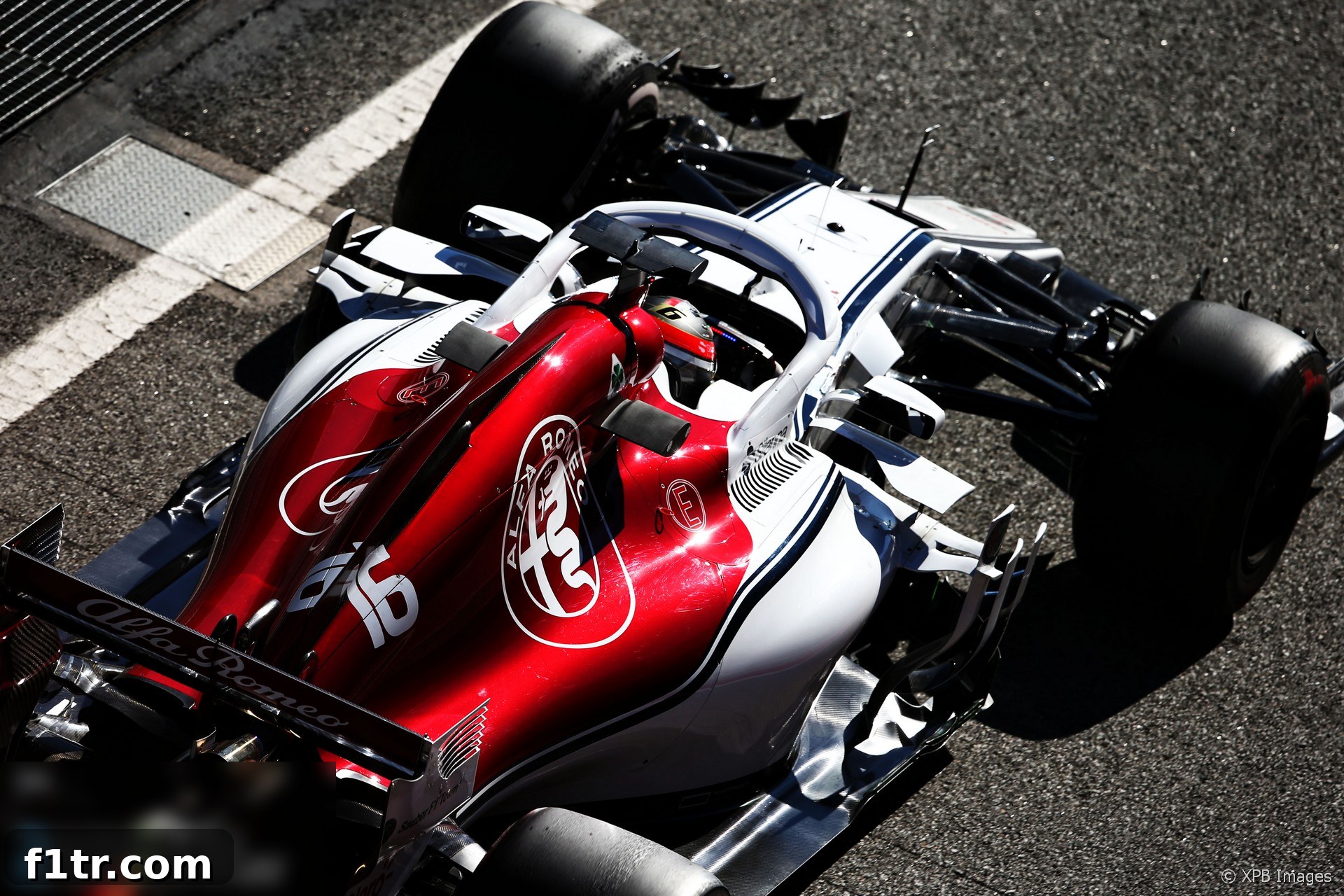
The Sauber F1 Team introduced new talent in 2018, most notably Charles Leclerc, who was making his full-time F1 debut. Leclerc spent valuable time in the C37 at Circuit de Catalunya, acclimatising to Formula 1 machinery and working with the team to develop the car. For Sauber, supported by Ferrari power, testing was about maximizing track time, enhancing reliability, and providing Leclerc with as much experience as possible. Their objective was to improve their standing in the constructors’ championship and lay the groundwork for future success.
Haas F1 Team: American Dream, European Challenge
Haas F1 Team continued their American-backed F1 journey in 2018, aiming for consistent points finishes. Romain Grosjean was a key figure during testing, driving the VF-18. The team’s close technical partnership with Ferrari meant they could focus on fine-tuning their car’s setup and understanding tire behaviour. For Haas, efficiency was key, making the most of every testing opportunity to ensure their car was competitive and reliable from the outset of the season.
Williams Martini Racing: Seeking Revival
Williams Martini Racing, a team with a storied history, sought to regain its competitive edge in 2018. Lance Stroll and Sergey Sirotkin were on duty with the FW41. The testing sessions were vital for Williams to evaluate their new car design, address any performance deficits, and ensure reliability. Fans also closely watched Robert Kubica, who participated in some test sessions, bringing a wave of nostalgia and hope to the paddock. The team worked tirelessly to extract performance from their new package, aiming for a stronger showing in the upcoming championship.
A Visual Journey: Day Six Testing Gallery from Circuit de Catalunya
Experience the intensity and precision of Formula 1 pre-season testing through our comprehensive picture gallery. These images capture the essence of a crucial day at the Circuit de Catalunya, showcasing drivers and their machines as they pushed the boundaries of performance and reliability in preparation for the 2018 F1 season. From candid shots of the drivers to dynamic images of the cars on track, this collection offers a unique perspective on the intricate world of Formula 1 development.
Key Takeaways and What to Expect from the 2018 F1 Season
The second week of pre-season testing at Circuit de Catalunya in 2018 offered invaluable insights, albeit with the usual caveats that testing results don’t always translate directly to race performance. Mercedes and Ferrari consistently demonstrated strong pace and reliability, cementing their positions as the likely front-runners. Red Bull showed promising signs, particularly with Daniel Ricciardo logging strong laps, suggesting they could be dark horses if their power unit issues were sufficiently addressed.
McLaren’s transition to Renault power was a focal point, and while initial data showed promise, the team faced the inevitable challenges of integrating a new engine package. Renault, Force India, and Haas appeared to be locked in a tight battle for supremacy in the midfield, each showing moments of strong performance. Toro Rosso’s new partnership with Honda was a bold move, and while testing provided critical data, the true extent of their competitiveness would only be revealed in the opening races. Sauber and Williams, while logging important mileage, seemed to have more ground to make up. Overall, the 2018 F1 season promised to be an enthralling contest, with these testing sessions laying the foundation for what was to come.
Continue Your F1 Journey: Explore More from the 2018 Season
Delve deeper into the 2018 Formula 1 season, a year filled with memorable races, intense rivalries, and significant developments across the grid. From championship battles to emerging talents, the 2018 season played a pivotal role in shaping the modern era of F1. Stay informed and go ad-free for an enhanced browsing experience.
Go ad-free for just £1 per month>> Find out more and sign up
More 2018 F1 Season Articles
- F1 feared “death knell” for Drive to Survive after Ferrari and Mercedes snub
- McLaren staff told us we were “totally crazy” to take Honda engines in 2018 – Tost
- ‘It doesn’t matter if we start last’: How Red Bull’s junior team aided Honda’s leap forward
- Honda’s jet division helped F1 engineers solve power unit problem
- McLaren Racing losses rise after Honda split
Browse all 2018 F1 season articles